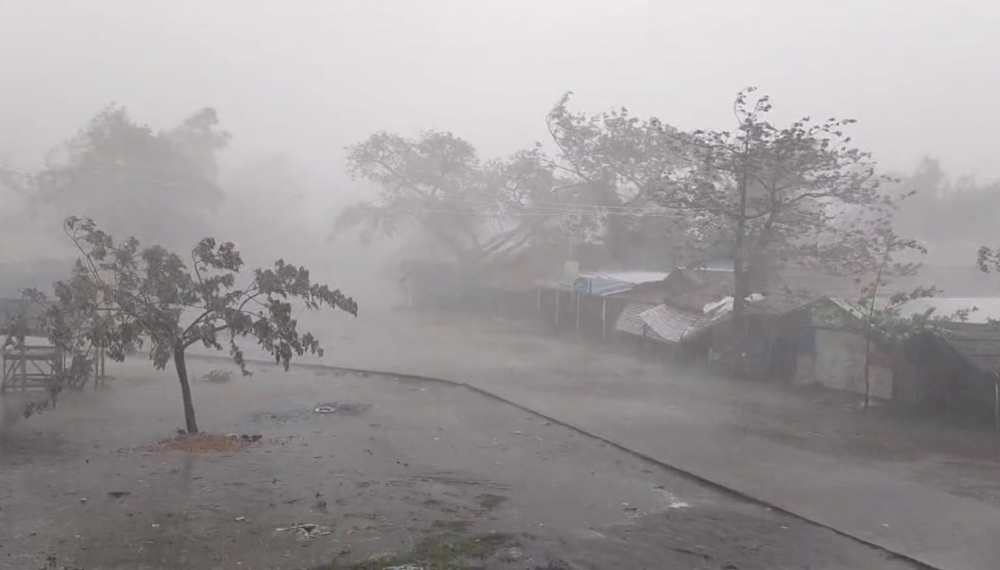
Zimbabwe's Civil Defence Authority has announced a tragic rise in the death toll from torrential rains and flooding sweeping the country, with 118 people and 61 others injured. This disaster once again highlights the country's vulnerability to extreme weather events, which have become increasingly frequent in recent years.
According to the official statement, nine additional deaths were recorded in the past week alone, bringing the total to 118 from 109. Authorities explained that most of the deaths resulted from tragic drownings and collapses in small-scale mines, which provide a livelihood for many local residents but lack safety standards, making them extremely dangerous during heavy rains.
Background to the disaster: climate change and the rainy season
Zimbabwe is located in southern Africa, a region that typically experiences a rainy season from November to March. However, scientists and meteorologists warn that global climate change is increasing the frequency and intensity of these events. Rainfall is no longer a predictable seasonal occurrence, but rather a more violent and frequently devastating flood, placing immense pressure on the country's fragile infrastructure and emergency response capabilities.
Widespread impact on infrastructure and society
The disaster's impact extended beyond human lives, causing widespread destruction to vital infrastructure. A total of 8,295 families directly affected, displacing tens of thousands of people who lost their homes and belongings. The report also indicated that 334 houses were completely or partially destroyed, and 236 schools were damaged, threatening to disrupt the education of thousands of students. Furthermore, 15 health facilities and 21 bridges were damaged, isolating numerous villages and areas and hindering the delivery of aid and rescue teams to those affected.
Importance and future implications
The repercussions of these floods extend beyond the immediate damage, posing a threat to food security in a country whose economy is heavily reliant on agriculture. The floods are destroying crops and eroding fertile soil, raising the specter of a potential food crisis. Regionally, this disaster stands out as part of a recurring pattern of climate-related catastrophes striking Southern Africa, such as the devastating Cyclone Idai in 2019, underscoring the need for concerted regional and international efforts to build early warning systems and enhance resilience to climate change. The scale of the current devastation presents the Zimbabwean government with a significant challenge in responding to the crisis and providing immediate relief, while simultaneously planning long-term projects to protect lives and property in the future.