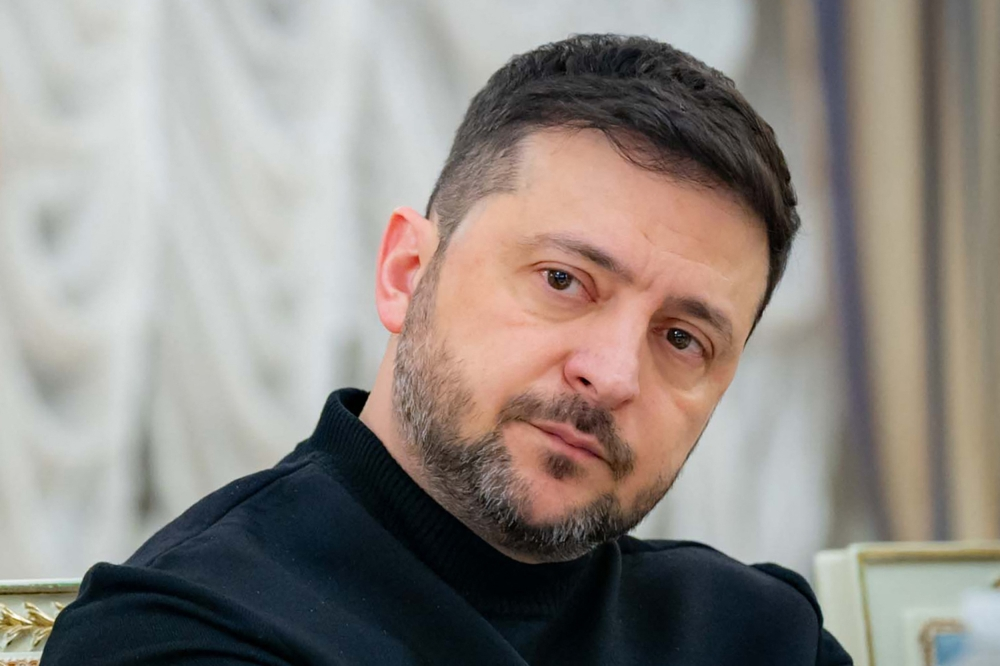
Ukrainian President Volodymyr Zelenskyy expressed cautious optimism on Monday regarding what he called Russia's recent "de-escalation," noting that the move—a temporary halt to attacks on Ukrainian energy facilities—provides an important foundation for "building trust" in the potential negotiation process. "The de-escalation measures that came into effect last Thursday night help to build public confidence in the negotiation process and its possible outcome," Zelenskyy said on social media, offering a small glimmer of hope amidst the devastating conflict.
Context of the conflict and escalation of attacks
These statements come in the context of a protracted and complex conflict that began in 2014 with Russia's annexation of Crimea and its support for separatists in eastern Ukraine, before escalating into a full-scale invasion in February 2022. Since then, Ukraine has suffered immense destruction, with Russian forces systematically targeting vital infrastructure. Attacks on energy facilities have been a key strategy for Moscow, particularly during harsh winters, aimed at pressuring the civilian population and crippling the Ukrainian state's ability to cope. These strikes have resulted in widespread power, heating, and water outages for millions of Ukrainians, exacerbating the humanitarian crisis.
The importance of de-escalation and its potential impact
Domestically, the temporary cessation of these attacks offers a much-needed respite for citizens and emergency crews working to repair the extensive damage to the power grid. The confidence-building measures Zelenskyy referred to are crucial for any future peace negotiations, as the lack of trust between the parties has been a major obstacle to a diplomatic solution. This step, though limited, serves as a test of intentions and could pave the way for more serious talks.
At the regional and international levels, any sign of de-escalation is being closely watched by allies and international mediators. This move could encourage countries seeking to mediate the conflict, such as Turkey and the United Nations, to intensify their diplomatic efforts. It could also influence discussions about the scale and nature of military and economic aid to Ukraine, as well as sanctions policies against Russia. However, caution remains the prevailing sentiment, with many analysts believing this move may simply be a Russian tactic to regroup forces or a temporary operational pause, rather than a genuine strategic shift toward peace.