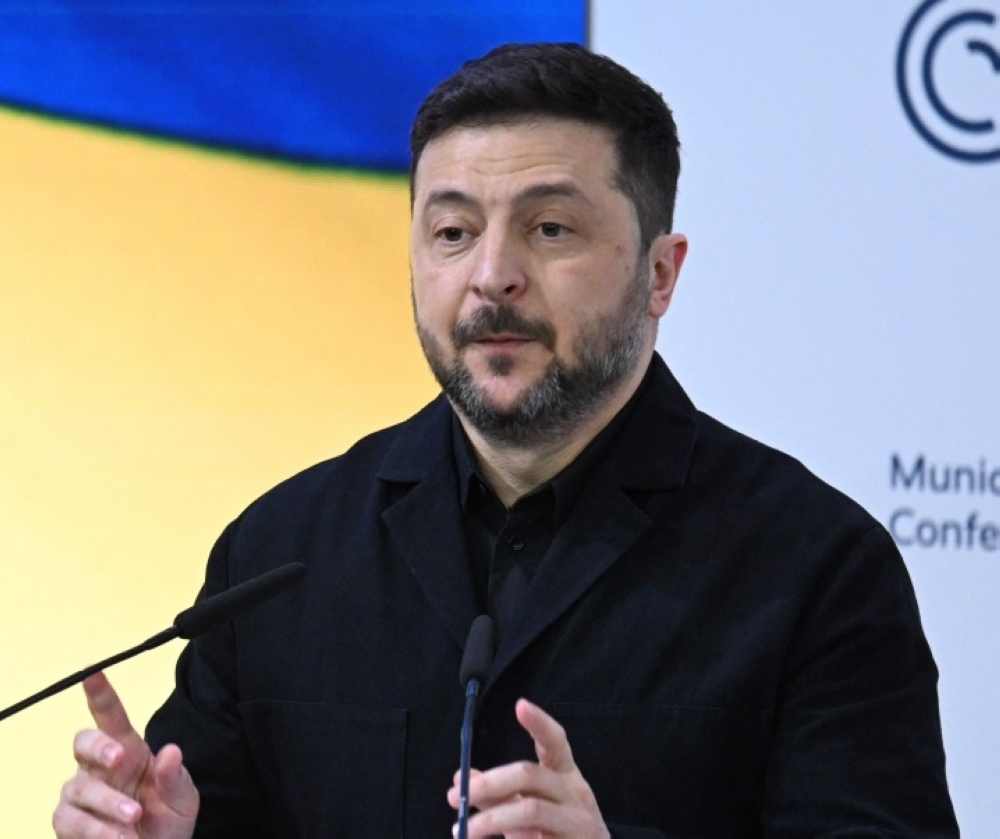
Ukrainian President Volodymyr Zelensky announced on Wednesday that Kyiv and Moscow remain far apart on the fundamental issues needed to end the war, following a new round of US-mediated negotiations in Geneva. While describing the talks as having achieved some “preparatory work,” Zelensky stressed that the road to peace remains long and complex.
In a message to journalists, Zelensky said, “We can conclude that some preliminary work has been done, but at the moment positions remain different, because the negotiations have not been easy.” He explained that the “sensitive issues” that have not yet been resolved include the fate of the territories occupied by Russia in eastern and southern Ukraine, and the future status of the Zaporizhzhia nuclear power plant, the largest in Europe, which is under Russian military control.
Historical context and roots of the conflict
This round of negotiations comes against the backdrop of a protracted conflict that effectively began in 2014 with Russia’s annexation of Crimea and the start of armed conflict in the Donbas region of eastern Ukraine. Tensions escalated dramatically on February 24, 2012, with the start of Russia’s full-scale invasion of Ukraine, plunging Europe into its largest land war since World War II. Previous diplomatic efforts, such as the Minsk agreements and the Normandy Format talks, have failed to achieve lasting peace, casting doubt on the prospects for success of any new talks unless there is a fundamental shift in the positions of both sides.
The importance of the event and its expected impact
The significance of these negotiations lies in the fact that they represent one of the few attempts to maintain an open channel of diplomatic communication between the two adversaries. However, Zelensky's statement reflects the reality on the ground, where Ukraine insists on its full sovereignty over its internationally recognized territories, including Crimea and Donbas, as a prerequisite for any settlement. Russia, on the other hand, considers the annexed territories an integral part of its own, creating a gap that is difficult to bridge.
Internationally, the world is watching these talks with great concern. The continuation of the war has serious global repercussions, including impacts on energy and food security and increased geopolitical tensions between major powers. The fate of the Zaporizhzhia nuclear power plant also raises international fears of a nuclear disaster, and the International Atomic Energy Agency is pressing for the establishment of a safe zone around it. Therefore, any progress, however small, in these talks could help mitigate regional and global risks, while their failure would mean continued uncertainty and human suffering.