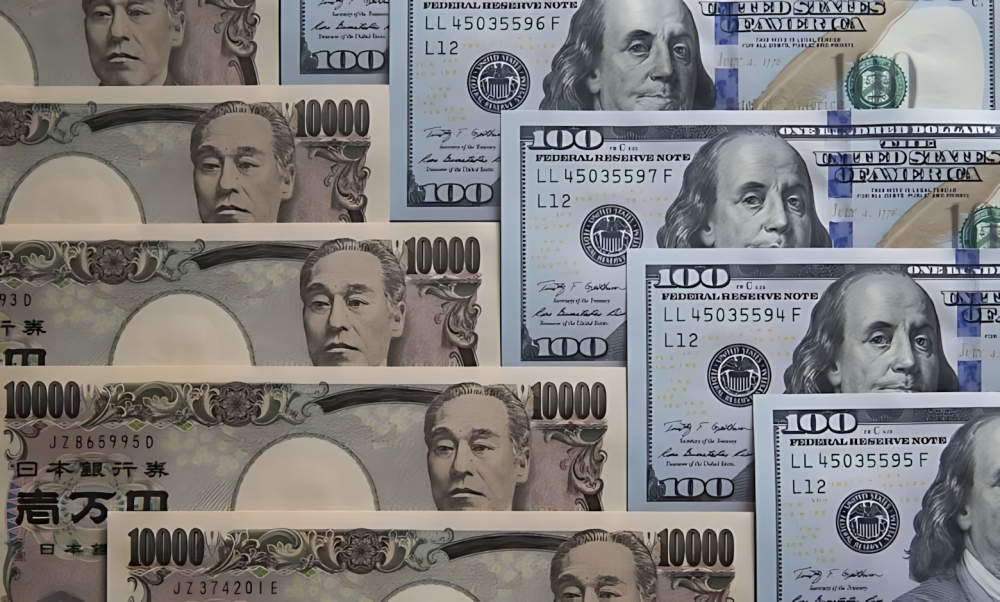
شهدت أسواق العملات العالمية اليوم تحركات لافتة، حيث سجل الين الياباني ارتفاعاً ملحوظاً أمام الدولار الأمريكي، ليعوض جزءاً من خسائره السابقة. ووفقاً لأحدث بيانات التداول، صعدت العملة اليابانية لتصل إلى مستوى 158.22 ين مقابل الدولار، محققة مكاسب يومية بنسبة 0.3%. ورغم هذا الأداء الإيجابي خلال جلسة اليوم، إلا أن المؤشرات الأسبوعية لا تزال تضغط على العملة اليابانية، حيث يتجه الين لتكبد خسائر أسبوعية تقدر بنحو 0.2%، مما يعكس استمرار حالة التذبذب في الأسواق الآسيوية.
أداء الدولار والعملات الرئيسية
في المقابل، حافظ مؤشر الدولار الأمريكي – الذي يقيس قوة العملة الخضراء مقابل سلة من ست عملات رئيسية – على استقراره عند مستوى 99.31 نقطة. ويشير هذا الاستقرار إلى تماسك العملة الأمريكية، التي تتجه هي الأخرى لتحقيق مكاسب أسبوعية طفيفة بنسبة 0.2%. وفي سياق متصل، استقر اليورو عند مستوى 1.1607 دولار، بينما شهدت عملات السلع نشاطاً إيجابياً، حيث ارتفع الدولار الأسترالي بنسبة 0.1% ليصل إلى 0.6702 دولار، وصعد الدولار النيوزيلندي بنسبة 0.2% مسجلاً 0.5752 دولار.
السياق الاقتصادي والخلفية التاريخية
يأتي هذا التحرك في سعر صرف الين في وقت حساس للاقتصاد الياباني، حيث عانت العملة اليابانية لفترات طويلة من ضغوط هبوطية نتيجة الفجوة في السياسات النقدية بين البنوك المركزية الكبرى. فبينما اتجه الاحتياطي الفيدرالي الأمريكي وبنوك مركزية أخرى نحو تشديد السياسة النقدية ورفع أسعار الفائدة لمكافحة التضخم، حافظ بنك اليابان تاريخياً على سياسات نقدية تيسيرية للغاية. هذا التباين جعل الدولار أكثر جاذبية للمستثمرين الباحثين عن عوائد أعلى، مما أدى إلى إضعاف الين بشكل منهجي خلال الفترات الماضية.
التأثيرات الاقتصادية المتوقعة
يحمل هذا التذبذب في أسعار الصرف تداعيات اقتصادية هامة على المستويين المحلي والدولي. محلياً في اليابان، يؤدي ضعف الين المستمر – رغم الارتفاع الطفيف اليوم – إلى زيادة تكلفة الواردات، خاصة الطاقة والمواد الخام، مما يرفع معدلات التضخم ويضغط على القدرة الشرائية للمستهلك الياباني. في المقابل، تستفيد الشركات اليابانية الكبرى المصدرة من انخفاض العملة، حيث تصبح منتجاتها أكثر تنافسية في الأسواق العالمية، مما يعزز أرباحها المقومة بالين.
على الصعيد الدولي، يراقب المستثمرون هذه التحركات بحذر، حيث يعتبر الين الياباني أحد أهم عملات الملاذ الآمن، وغالباً ما يُستخدم في عمليات “تداول الفائدة” (Carry Trade). وأي تحرك مفاجئ أو تدخل حكومي لدعم الين قد يؤدي إلى موجات بيع أو شراء واسعة تؤثر على استقرار الأسواق المالية العالمية. كما أن استقرار الدولار عند مستويات مرتفعة يواصل الضغط على الاقتصادات الناشئة التي تعتمد على الاستيراد بالعملة الأمريكية، مما يزيد من أعباء ديونها الخارجية.