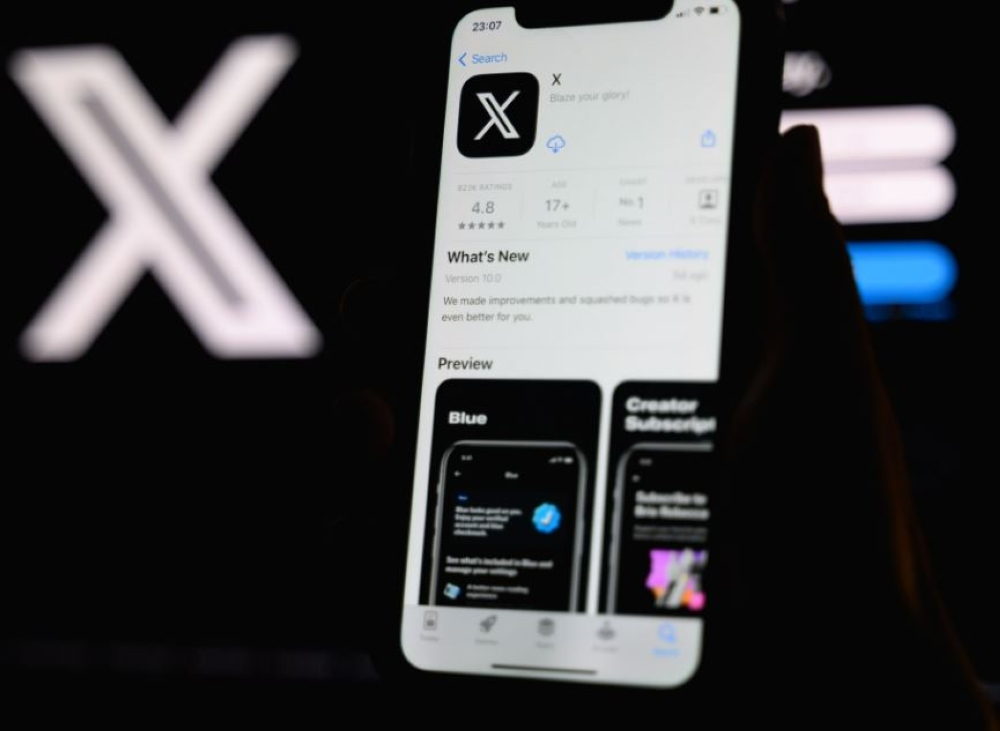
The X platform (formerly Twitter) caused a major stir in the digital world in recent hours following the release of a new technical update aimed at enhancing transparency. However, this update simultaneously sparked a wave of controversy and exposed the true nature of thousands of accounts. The new feature, which allows users to determine the geographical location of accounts, led to some startling revelations, particularly concerning accounts that had claimed for years to be "Saudi" and to speak on behalf of Saudi citizens, only to be found to be managed from other countries and geographically distant regions.
Technical features and how it works
The new tool, called “About this account,” gives users access to detailed data previously unavailable to the public. This data includes the country where the account is operated, the creation date, username change history, and the app store where the application was downloaded (either the Apple App Store or Google Play). Most importantly, this feature can detect and alert the user if the target account is using location-masking technologies such as VPNs or proxy servers. A warning message appears indicating that the connection may be through a proxy server, thus thwarting attempts at deception.
The downfall of fake accounts and electronic flies
Immediately after the feature was activated, Saudi activists and social media users noticed the sudden disappearance of a large number of accounts that had been active on Saudi domestic affairs. It was revealed that these accounts, which had long spread rumors or engaged in fabricated debates, were managed by countries known for employing "electronic flies" (online trolls) to manipulate public opinion. This revelation prompted those running the accounts to quickly close them or change their profiles in a desperate attempt to contain the scandal, a move observers considered a victory for digital awareness and an exposure of the scale of the systematic targeting.
The context of the war on “bots” and Elon Musk’s vision
This update cannot be separated from the overall policy of the platform's new owner, Elon Musk, since his acquisition. From day one, Musk declared war on automated accounts (bots) and fake accounts, considering them the greatest threat to the platform's credibility. This move comes as a continuation of a series of measures, beginning with charging for verification (the blue checkmark) to confirm users' financial identities, and culminating in disclosing the geographic and technical data of accounts, all as part of his endeavor to transform X into the most trusted "digital city square" in the world.
The strategic importance of enhancing digital trust
This event holds immense importance, extending beyond the purely technical realm to encompass information security and digital sovereignty. With the rise of fourth- and fifth-generation warfare, which relies heavily on disinformation, this feature becomes a powerful tool for the average user to verify information sources. Knowing an account's geographic location and history helps distinguish genuine voices from fabricated and manipulated ones, thus enhancing the security of the digital environment and mitigating the impact of external campaigns targeting the stability of societies, particularly in the Middle East, a region experiencing active political and social dynamics.
X: A step towards genuine interaction
In an official statement regarding the new direction, the management of the X platform, through Nikita Bear, Head of Product, confirmed that the primary goal is to reduce inauthentic engagement. The platform believes that displaying basic technical data directly contributes to enabling users to assess the credibility of the accounts they follow, thus reducing the opportunities for the spread of fake news and malicious rumors that rely on armies of anonymous, fake accounts to propagate their message.