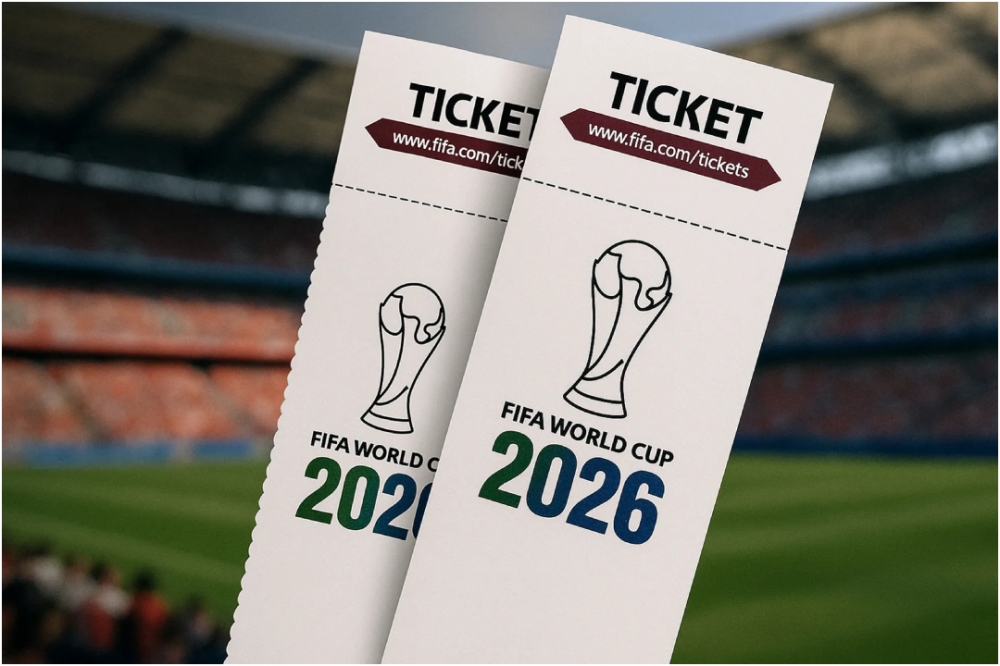
In an unprecedented escalation, the Football Supporters' Association of Europe (FSE) has decided to take legal action and file a formal complaint with the European Commission against FIFA. This move follows previous unanswered condemnations of the exorbitant ticket prices for the 2026 World Cup, which have been described as "astronomical" and excessively high, along with accusations of opaque and unfair purchasing procedures that harm fans.
The roots of the World Cup ticket price crisis and its historical development
Watching the World Cup wasn't always exclusive to the wealthy; it was a popular tournament that drew fans from all walks of life. Historically, FIFA has been keen to offer affordable ticket options. For example, in the bid to host the 2018 World Cup, tickets were promised starting at $21 (approximately €18). With each edition, costs gradually increased, culminating in a significant rise for the 2022 Qatar World Cup, though still within a range that remained accessible to some. Today, however, ticket prices for the upcoming tournament in the United States, Mexico, and Canada represent an unprecedented leap. FIFA employs a "dynamic pricing" system that raises costs based on demand, transforming the tournament into an elite event.
Details of the European complaint against FIFA's practices
In collaboration with EuroConsumers, the European consumer rights organization, the association accused FIFA of abusing its dominant market position. This campaign began last December when the association expressed its astonishment at the prices charged for Participating Associations' (PMA) tickets, reserved for loyal fans supporting their national teams. The association demanded an immediate suspension of PMA ticket sales and called for consultations to review pricing and find a solution that respects the cultural traditions of the World Cup.
Confidential tables reviewed by the association revealed that the cost for a fan to follow a single team from the first match to the final will be no less than $6,900, five times the cost at the 2022 World Cup. To make matters worse, the cheapest tickets will not be available to members of participating federations but will instead be sold to the general public with dynamic pricing. The authorities also identified six specific irregularities, including the cheapest final ticket starting at $4,185 (seven times more than the previous edition), the $60 tickets selling out before general sales even began, a 15% fee on resales, and the lack of guarantees regarding seat location or team affiliation at the time of purchase.
The economic and sporting importance of the event and its global impact
The 2026 World Cup is of exceptional importance, not only because it will be held in three major North American countries, but also because it will be the first edition to feature 48 teams instead of 32, meaning 104 matches will be played. This massive expansion will have a tremendous economic impact both regionally and internationally, with host countries anticipating billions in revenue from tourism and infrastructure development. However, the exclusion of the average fan due to high prices threatens the tournament's popular appeal and diminishes its cultural value.
Despite these criticisms, global demand appears to be at its peak. In mid-February, FIFA President Gianni Infantino hailed the “unprecedented” demand, confirming that all matches would be played in full stadiums. He explained that the second phase of ticket sales saw 508 million applications received in just four weeks, competing for nearly seven million available tickets from over 200 countries. This reflects the immense global enthusiasm, but it also raises serious questions about the future of fans' rights in the face of purely commercialized sports.