The huge increase in ticket prices for the 2026 World Cup sparks controversy
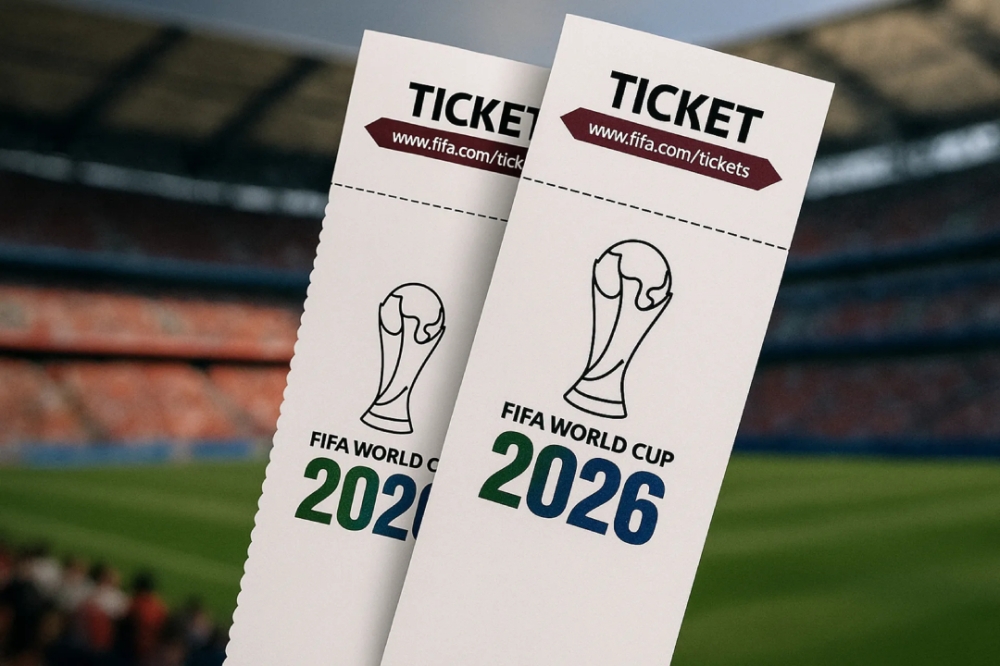
As the 2026 FIFA World Cup, the world's premier football event, draws ever closer, fans are turning their attention not only to the stadiums and matches but also to the exorbitant ticket prices, which have skyrocketed on FIFA's official resale platform. It has been observed that seats for many key matches are being offered at prices several times their original cost, sparking outrage among genuine fans and raising questions about the pricing policies in place.
Historical context and unique organization of the 2026 edition
The FIFA World Cup, held every four years, is more than just a sporting competition; it's a global gathering that brings together people and cultures. The 2026 edition is particularly significant as it will be the first to be co-hosted by three countries: the United States, Canada, and Mexico. It will also be the first edition to see the expansion of the tournament from 32 to 48 teams, significantly increasing the number of matches and raising expectations and ticket demand to unprecedented levels. This expansion aims to give more countries the opportunity to participate in the global event, but it also places immense pressure on ticket sales and distribution mechanisms.
Striking examples of price inflation
On FIFA's official resale platform (FWC26 Resale Platform), the significant gap between original and resale prices is clearly visible. Here are some examples that have been observed:
- Opening match (Mexico vs. South Africa): A third-category ticket, which originally cost $895, was being offered for sale at a price as high as $5,324.
- France vs. Senegal match: Some tickets were priced at more than five times their original value, with tickets reaching $1,000 compared to the original price of $219.
- Brazil vs. Morocco match: The price of a seat in the top stands reached $1,725, more than seven times the initial price.
- Final match: Tickets for the first category, which had an official price of $7,875, reached nearly $20,000 on the resale platform.
The phenomenon's impact on fans and reactions
This exorbitant price hike is turning the dream of attending the World Cup into a nightmare for thousands of passionate fans, who find themselves unable to compete with the black marketeers. In this context, Guillaume Auziter, spokesperson for the largest French supporters' association, stated that these prices are "unacceptable" and reflect a phenomenon of buying tickets for speculative purposes and quick profits, rather than for the sake of supporting the teams. He added: "Ultimately, it is the genuine fans who pay the price, the ones who come to support their teams, but unfortunately, that's not what's happening.".
FIFA's position and the platform's operating mechanism
For its part, FIFA explains that the resale platform acts as an intermediary in a "fan-to-fan" market, where the seller sets the asking price, while FIFA's role is limited to providing the platform for a 15% administrative fee. The international federation asserts that the adopted pricing model "reflects practices at major sporting and entertainment events in host countries," particularly in the United States and Canada, where the resale market is free and widespread. This model differs entirely from the policies of other events, such as the Paris 2024 Olympics, which prohibited the resale of tickets at prices exceeding their original value.
Economic importance and future challenges
Despite the ongoing controversy, the enormous positive economic impact the tournament will have on host countries, by boosting the tourism, hospitality, and transportation sectors, cannot be ignored. However, the biggest challenge facing FIFA and the organizers remains balancing commercial profits with ensuring football remains accessible and affordable for the fans who embody its true spirit, especially with the continued implementation of the "variable pricing" system, which links prices to demand and availability until the end of the tournament.