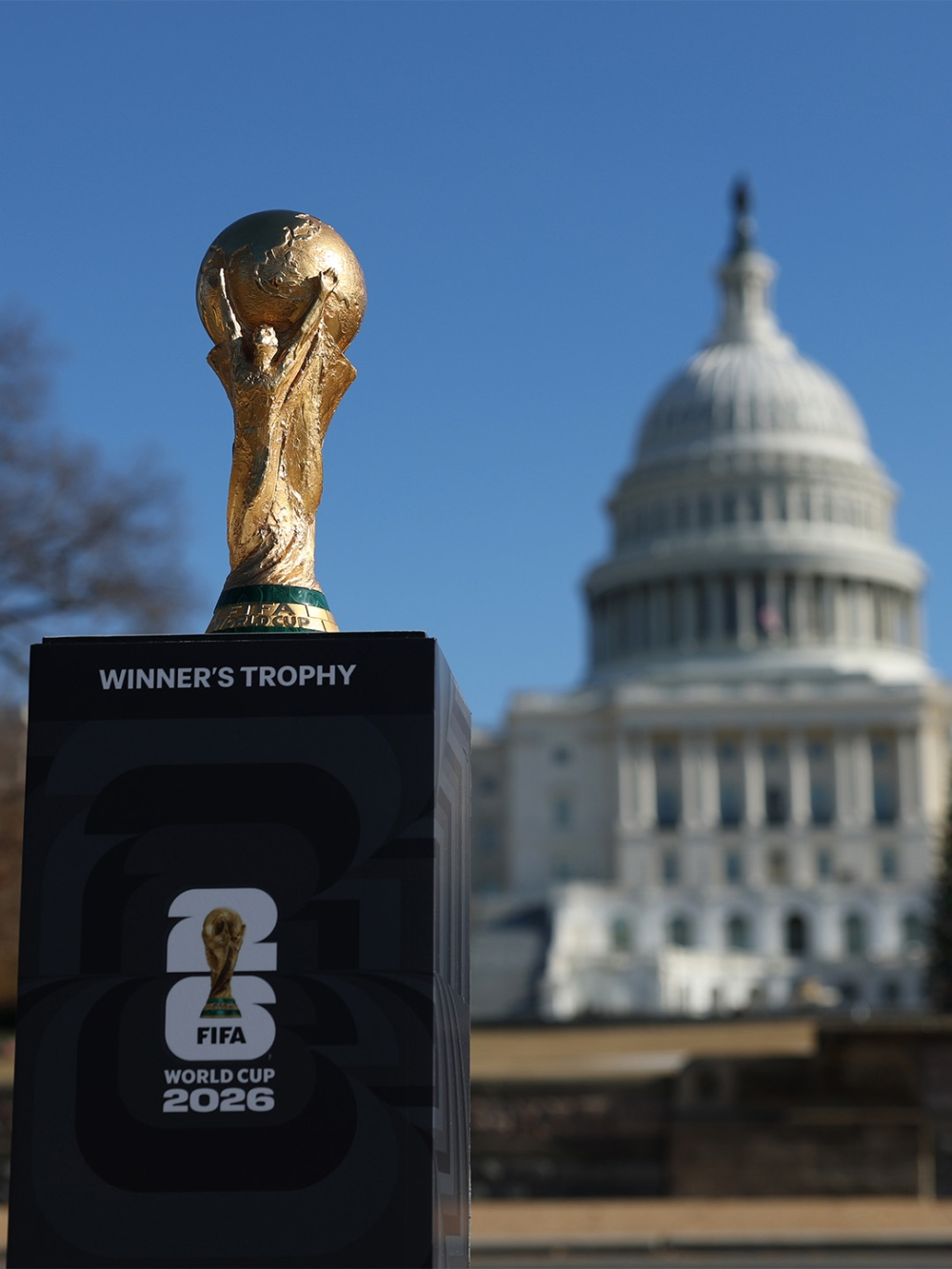
Washington, D.C., witnessed an extraordinary sporting event this evening: the draw for the 2026 FIFA World Cup, the largest and most anticipated tournament in the history of football. Amidst a massive crowd and global media coverage, the paths for the 48 participating teams were revealed. The tournament will be co-hosted by the United States, Canada, and Mexico in a historic joint bid.
An exceptional edition and radical changes to the World Cup system
This edition of the World Cup holds special and historical significance, being the first to feature 48 teams instead of 32, necessitating a change in the tournament format to include 12 groups. This significant expansion reflects FIFA's desire to broaden the scope of competition and provide greater opportunities for teams from different continents to participate in the global tournament. While hosting the tournament across three vast countries presents logistical and organizational challenges, it promises an unprecedented football festival that brings together the diverse cultures of North America.
Details of the groups and the strong Arab clashes
The draw resulted in the distribution of the teams into 12 groups, which brought with it an exciting balance and early clashes, especially for the Arab teams that were strongly present in this virtual draw.
Groups 1-4: Home clashes and Lions
- Group A: Includes Mexico (the host), South Africa and South Korea, pending a European play-off, a group with open possibilities.
- Group Two: Canada (the host) in a potential clash with Italy, while Qatar faces top-tier regulatory schools such as Switzerland.
- Group Three: One of the strongest groups, where the Moroccan national team (fourth in the 2022 World Cup) faces its Brazilian counterpart in a Latin-Arab summit, along with Scotland and Haiti.
- Group D: The United States faces Paraguay and Australia in a balanced group.
Groups 5-8: Pharaohs and Green in tough tests
- Group Five: Germany has a relatively easy path ahead against Ivory Coast, Ecuador and Curaçao.
- Group Six: Tunisia finds itself in conflict with the Dutch windmills and the Japanese computer.
- Group Seven: The Egyptian national team returns to the World Cup in a tough match against star-studded Belgium, Iran and New Zealand, in a golden opportunity for the Pharaohs to advance.
- Group H: The Saudi national team will clash with the Spanish Matadors and the strong Uruguay, in a group that requires double the effort from the Green Falcons.
Groups 9-12: The defending champion and European top teams
- Group 9: France will face Senegal and Norway, with the possibility of an Arab clash against Iraq if they qualify from the play-offs.
- Group 10: Algeria and Jordan face a tough and historic task against world champions Argentina, led by Lionel Messi, and a stubborn Austria.
- Group Eleven: Portugal faces Colombia and Uzbekistan.
- Group Twelve: A purely European clash between England and Croatia, with Ghana and Panama also present.
With these results, global football fans are eagerly awaiting the kickoff to see how the major teams will deal with the new system, and whether the Arab teams will be able to repeat the achievements of the 2022 Qatar World Cup on American soil.