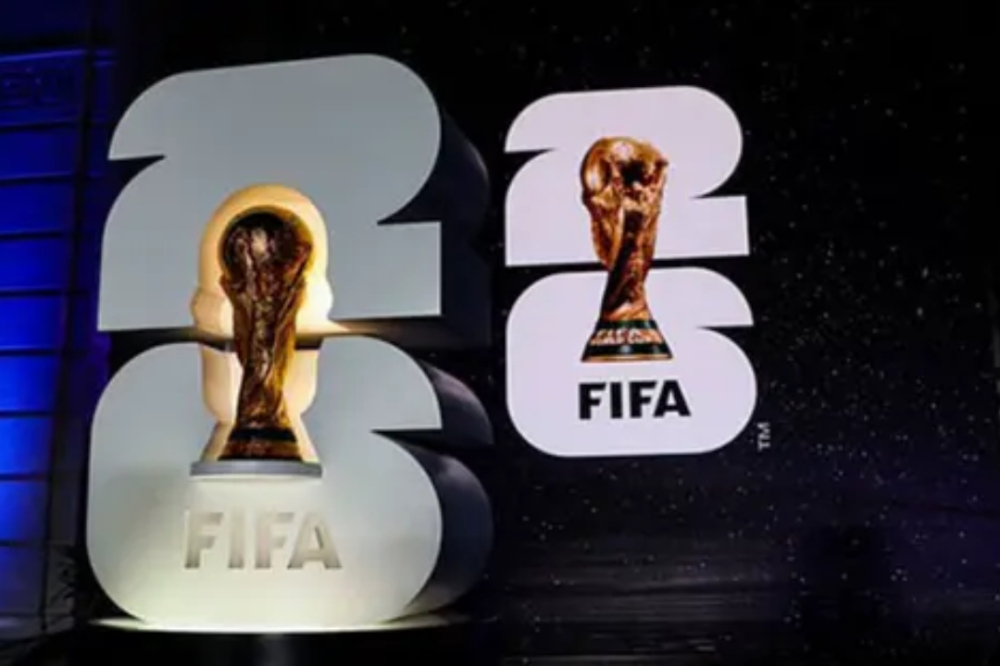
On Friday, football fans around the world will turn their attention to Washington, D.C., where the draw for the 2026 FIFA World Cup finals will take place. This tournament promises to be the largest and most inclusive in the competition's history. Not only is it a major sporting event, but it also marks a significant milestone in World Cup history, as it will be co-hosted for the first time by three countries: the United States, Mexico, and Canada. Furthermore, it will feature 48 teams, a historic increase from the 32-team format that has been in place since the 1998 edition.
Historical background and development of the tournament
This expansion is a natural step in the evolution of the World Cup, which began with just 13 teams in its inaugural edition in 1930. The tournament has undergone several expansions, most notably the move to 24 teams in 1982, and then to 32 teams in the 1998 World Cup in France. The new 48-team format, adopted by FIFA, aims to give more countries from different continents the opportunity to participate in the global event, thus enhancing the game's popularity and global reach. The joint hosting of the tournament also recalls the successful 2002 World Cup between South Korea and Japan, but the 2026 edition surpasses it in terms of its vast geographical and logistical scope, spanning across North America.
The importance of the event and its expected impact
This tournament is expected to have a tremendous economic and cultural impact on the host countries. Locally, the 16 host cities (11 in the United States, 3 in Mexico, and 2 in Canada) will experience a significant tourism boom and infrastructure development. Regionally, the World Cup presents an opportunity to strengthen relations between the three nations. Internationally, the increased number of slots allocated to continents such as Asia, Africa, and North and Central America opens the door for new teams to participate for the first time, such as Cape Verde, Jordan, and Curaçao, enriching the tournament with unprecedented cultural and footballing diversity.
Details of the draw and participating teams
The 48 participating teams will be divided into 12 groups of four. Pot 1 includes strong contenders such as defending champions Argentina and the three host nations, along with footballing giants like Brazil, France, Germany, Spain, and England. Former US President Donald Trump is expected to play a prominent role at the opening ceremony, reflecting his close relationship with FIFA President Gianni Infantino and his desire to make the World Cup a pivotal event coinciding with the 250th anniversary celebrations of US independence.
Stars and anticipated matches
Fans are eagerly awaiting news on whether Portuguese legend Cristiano Ronaldo, who will turn 41, will participate in his sixth World Cup, in what could be his final attempt to win the global title. Meanwhile, established teams like four-time world champions Italy are striving to avoid missing out for the third consecutive time, as they still have a chance to qualify through the European playoffs. The opening match will be held at the iconic Estádio Astica in Mexico City, while MetLife Stadium in New Jersey will host the final on July 19. Despite the excitement, there are growing concerns about soaring ticket prices, especially with FIFA's adoption of a dynamic pricing system. Tickets for the final have already reached thousands of dollars on resale websites.