
يحتفي العالم في الثامن عشر من ديسمبر من كل عام باليوم العالمي للغة العربية، وهي المناسبة التي أقرتها الأمم المتحدة تخليداً لذكرى اعتماد لغة الضاد لغة رسمية سادسة في المنظمة الدولية عام 1973. وتأتي هذه المناسبة لتسليط الضوء على واحدة من أركان التنوع الثقافي للبشرية، حيث يتحدث العربية أكثر من 400 مليون نسمة حول العالم، وتعد لغة شعائرية لأكثر من مليار ونصف المليار مسلم، فضلاً عن كونها وعاءً لحضارة عريقة أسهمت في نقل العلوم والمعارف إلى العالم الغربي لقرون طويلة.
وفي ظل هذه الاحتفالية الأممية، يبرز تساؤل ملح حول واقع اللغة العربية في المجتمعات المحلية وتحدياتها المعاصرة. وقد كشف استطلاع ميداني أجرته صحيفة «اليوم» عن وجود قلق مجتمعي متزايد بشأن مزاحمة اللغات الأجنبية، وتحديداً الإنجليزية، للغة الوطنية في الفضاء العام وأسواق العمل، مما يهدد بضعف الارتباط بالهوية الثقافية لدى الأجيال الصاعدة.
صراع الهوية ومتطلبات العولمة
أظهر الاستطلاع إجماعاً بين المواطنين والمقيمين على أن اللغة العربية ليست مجرد وسيلة للتواصل، بل هي «هوية» ومرتكز أساسي للاستقرار الثقافي. وفي هذا السياق، أكد أحمد الشهري، وهو معلم للغة الإنجليزية، في مفارقة لافتة، أن تعلم اللغات الأجنبية لمواكبة التطور التقني والعلمي يجب ألا يكون معول هدم للغة الأم. ووصف الشهري اللغة العربية بأنها ضرورة حياتية تشبه المأكل والمشرب، مشدداً على أن الانفتاح العالمي لا يعني التخلي عن الجذور.
من جانبه، حذر أحمد عبدالباسط من الهيمنة المطلقة للغات الأجنبية على قطاع المال والأعمال، مشيراً إلى أن التحدي الأكبر يكمن في أن لغة «البزنس» باتت تعتمد كلياً على المصطلحات الغربية. وطالب بضرورة سن تشريعات تفرض التعامل بالعربية في الأسواق والمراسلات التجارية، مع إمكانية الاستعانة بمترجمين للتواصل الدولي، وذلك لضمان عدم طمس الهوية العربية في خضم التعاملات اليومية.
بين التقصير المجتمعي والمسؤولية الرسمية
واستحضر المشاركون في الاستطلاع الإرث الأدبي للغة، حيث استدعى المعلم هيثم شهاب الدين قصيدة حافظ إبراهيم الشهيرة التي تنعي فيها اللغة العربية حظها بين أهلها، مؤكداً أن اللغة العربية تمتلك مرونة وقدرة فائقة على استيعاب المنجزات العلمية الحديثة، وأن القصور يكمن في أهل اللغة الذين تراجعوا عن استخدامها في منصات التواصل الاجتماعي والإعلام الجديد.
وفي سياق متصل، أشار يزيد كمال الخياط إلى أن حفظ القرآن الكريم يظل الضمانة الإلهية لبقاء هذه اللغة، لكنه نبه إلى أن الواقع الوظيفي يفرض تحديات تتطلب موازنة واعية. ودعا إلى تفعيل دور المساجد والأسرة والمدرسة في التنشئة اللغوية السليمة لتعزيز الفخر باللسان العربي.
دعوات لتعزيز الحضور البصري للغة
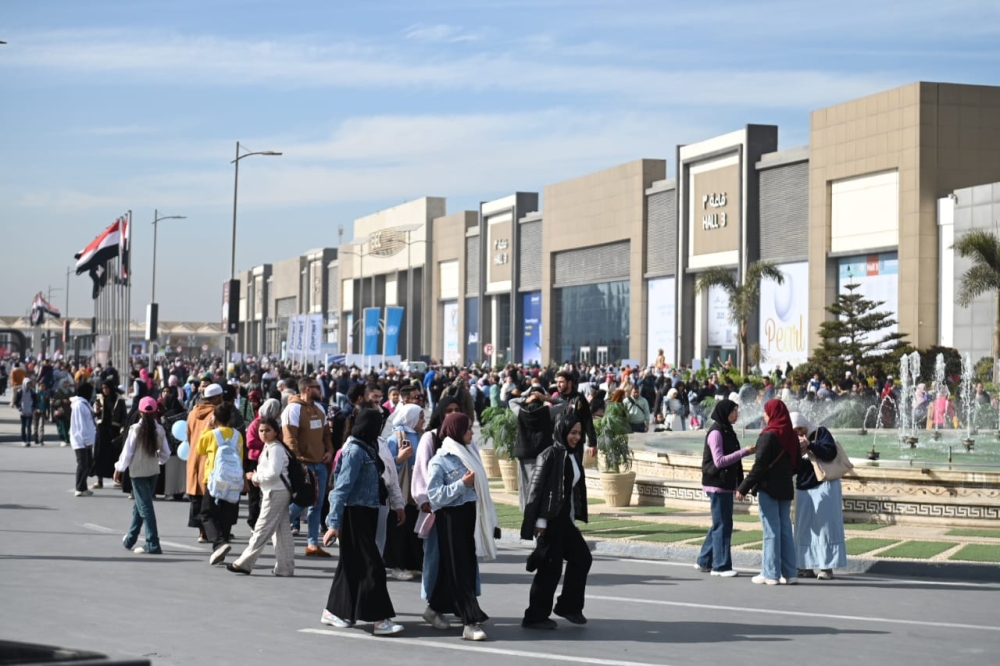
ولم يخفِ طلال العديلان، أحد المشاركين، عدم معرفته المسبقة بتاريخ المناسبة، وهو ما اعتبره مؤشراً على ضعف التسويق لهذه الأيام العالمية محلياً. وطالب العديلان بتكثيف الحضور البصري للغة العربية في الشوارع، واللافتات، وأسماء المحلات التجارية التي باتت تميل للأسماء الأعجمية، مؤكداً أن اللغة تشبه اللباس الذي يميز الأمم، وأن استعادة هيبتها تتطلب تكاتفاً مجتمعياً ورسمياً يبدأ من التشريعات وصولاً إلى الممارسات اليومية.