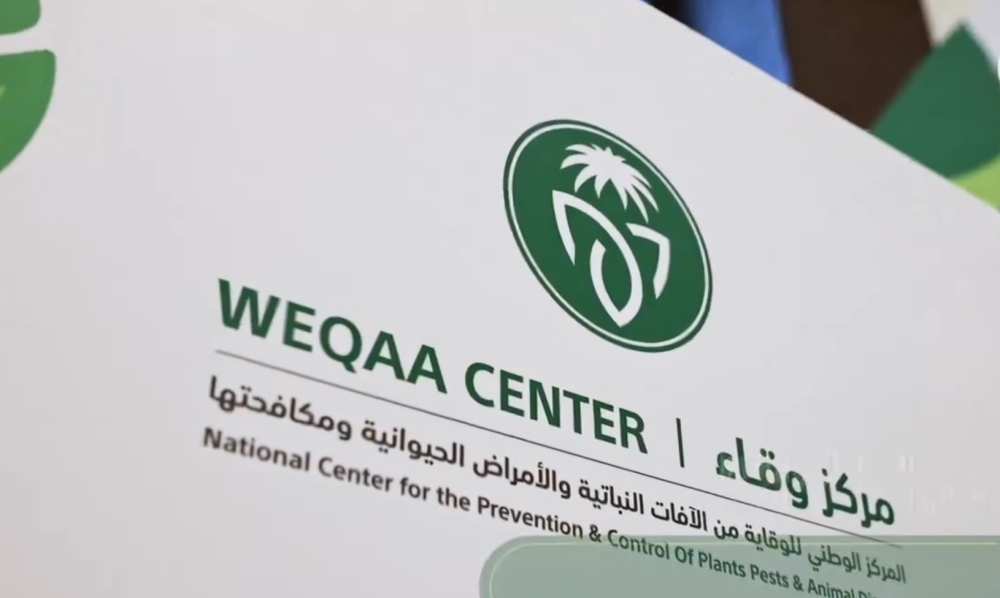
As part of its ongoing efforts to protect the Kingdom's agricultural resources, the National Center for Plant Pest and Animal Disease Prevention and Control (Wiqa') organized a specialized awareness workshop on the red palm weevil. Held at the Al-Barzah Center in Khulais Governorate, the workshop targeted farmers and those interested in the agricultural sector to raise their awareness of the dangers of this pest, how to recognize its symptoms, and how to implement the necessary preventive and treatment measures to limit its spread.
Historical background of a devastating scourge
The red palm weevil, scientifically known as Rhynchophorus ferrugineus, is one of the most serious pests threatening palm trees worldwide. Native to Southeast Asia, it has spread rapidly over the past few decades to the Middle East, North Africa, and Europe. The first infestation was recorded in Saudi Arabia in the mid-1980s, and since then, government agencies have been making tremendous efforts to contain its spread due to its immense destructive potential. Its danger lies in the fact that its larvae burrow tunnels inside the palm trunk, feeding on its living tissues, silently destroying the tree from within. Infestations are often discovered at a late stage, making treatment difficult.
Economic and cultural importance of palm trees
Palm trees hold a unique symbolic, cultural, and economic place in Saudi Arabia. They are not only a primary source of dates, a staple of food security and local culinary heritage, but also an integral part of the region's identity and history. The Kingdom is one of the world's largest date producers, and the palm and date sector is a vital economic driver, supporting thousands of farmers and contributing significantly to the non-oil GDP, in line with the goals of Vision 2030 to diversify the economy and promote agricultural sustainability.
“Wiqaa” efforts to promote awareness and sustainability
This workshop is part of a series of initiatives launched by the “Waqaa” Center to empower farmers and equip them with the necessary knowledge and tools. During the workshop, the head of the Al-Barzah Center, Professor Mansour bin Majid bin Shuwail, emphasized the paramount importance of these field activities in protecting the nation's plant resources. He commended the pivotal role played by “Waqaa” in supporting farmers through integrated pest management programs and ongoing awareness campaigns, noting that protecting every palm tree is a direct contribution to achieving food security and the sustainability of natural resources. Attendees also received a detailed explanation of the programs implemented by the center, which aim to apply global best agricultural practices and utilize modern technologies for monitoring and early detection of pests, thereby enhancing the agricultural sector's ability to meet challenges and ensure crop safety.