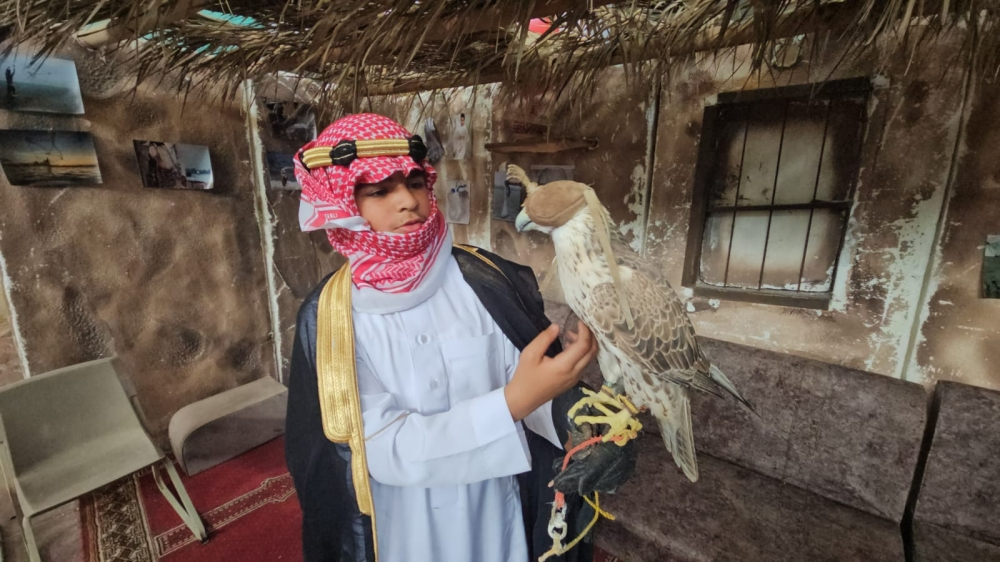
The National Center for Wildlife Development in Saudi Arabia has announced the start of the third and final phase of its initiative to rectify the status of unlicensed wildlife in private hands. This exceptional grace period extends until May 31, 2026, as part of the Kingdom's ongoing efforts to regulate the acquisition of wildlife and legally document its ownership. This step aims to ensure that practices related to housing, breeding, and trading wildlife comply with the Environmental Law and its implementing regulations, reflecting the Kingdom's firm commitment to preserving its natural resources.
The Kingdom's ongoing efforts to protect the environment and the history of the initiative
This phase comes as a continuation of previous, well-considered efforts. The first two phases of the initiative addressed the status of falcons, private collections, breeding and shelter centers, and businesses involved in selling wildlife products or derivatives. Historically, the Kingdom of Saudi Arabia has placed great importance on environmental protection, culminating in the launch of major initiatives under the umbrella of Saudi Vision 2030, such as the Saudi Green Initiative. The National Center for Wildlife Development was established as the official body regulating this sector, working to restore ecosystems and protect endangered species through strict legislation and ongoing awareness campaigns.
The expected impact of the successful wildlife rehabilitation initiative
to restore wildlife populations holds significant strategic importance that extends beyond local boundaries to encompass regional and international impacts. Locally, the initiative contributes to protecting the Kingdom's unique biodiversity and prevents indiscriminate practices that could lead to the degradation of natural habitats. Regionally and internationally, this step reinforces the Kingdom's position as a leading nation in adhering to international treaties, such as the Convention on International Trade in Endangered Species of Wild Fauna and Flora (CITES). It also plays a pivotal role in global efforts to address the challenges of illegal wildlife trafficking, thereby supporting the sustainability of global ecosystems.
Building a comprehensive and accurate national database
One of the initiative's key objectives is to build a comprehensive and accurate database of wildlife within the Kingdom. This will enable relevant authorities to strengthen oversight of acquisition and trade activities and raise housing standards to meet the highest environmental and health standards. Curbing unregulated practices not only protects the animals themselves but also safeguards the community from potential health risks associated with the transmission of zoonotic diseases, reflecting a growing national trend toward efficient natural resource management.
Invitation to register via the “Fitri” online platform
In closing, the National Center for Wildlife Development issued a clear call to all individual wildlife owners to take full advantage of the grace period. The Center urged individuals to familiarize themselves with the regulations and register their information through the “Fitri” electronic platform. This platform facilitates the systematic and seamless documentation of wildlife, thereby promoting compliance with environmental regulations, ensuring owners' legal rights, and ultimately contributing to the overarching goal of protecting biodiversity and ensuring the sustainability of ecosystems for future generations.