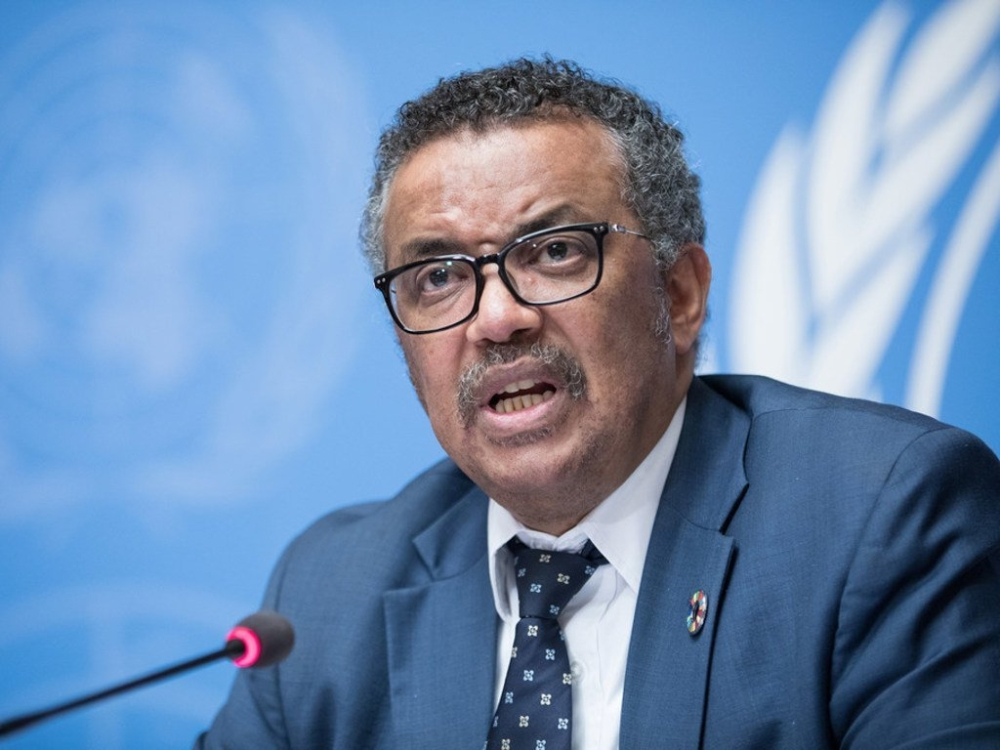
The Director-General of the World Health Organization, Tedros Adhanom Ghebreyesus, categorically rejected the justifications offered by the United States for its withdrawal from the international organization, describing those reasons as "untrue." This statement comes at a critical time as the world faces escalating health challenges, with Ghebreyesus warning of the serious consequences of this decision for global health security.
A firm response to the American accusations
In an official statement posted on the "X" platform (formerly Twitter), Tedros Adhanom Ghebreyesus affirmed that the WHO has always treated the United States and all member states with full respect for their national sovereignty, refuting Washington's accusations that the organization violated sovereignty or acted against American interests. He clearly stated that "the reasons given for the United States' decision to withdraw from the WHO are incorrect," emphasizing that this move would make "the United States and the world less safe" in the face of future pandemics.
Background to the US decision and the accusations leveled
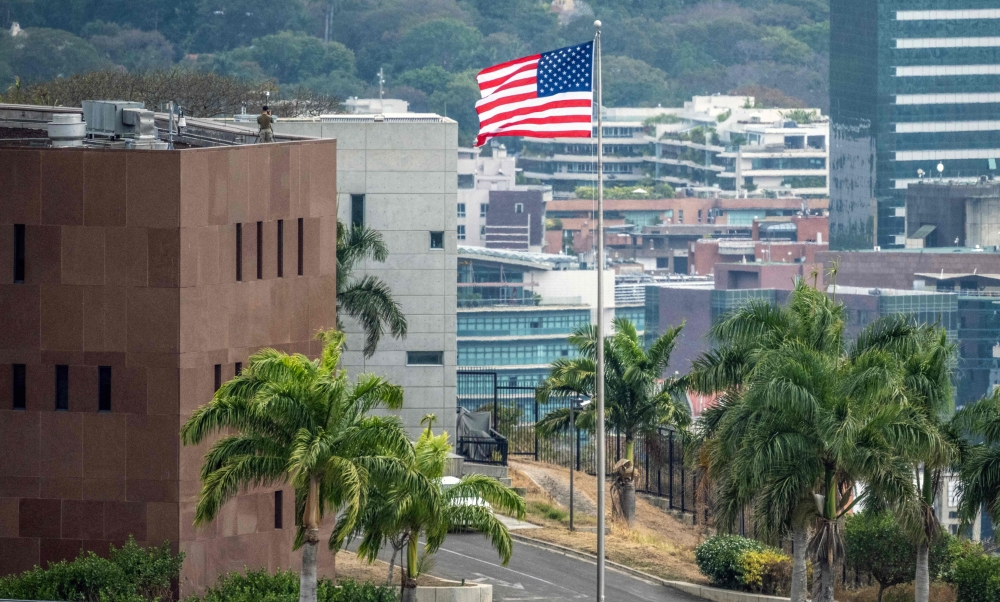
This diplomatic row follows a joint statement issued by US Secretary of State Marco Rubio and Secretary of Health Robert F. Kennedy Jr., in which they announced Washington's formal withdrawal from the organization. The two US officials based their decision on what they described as the organization's "numerous failures" during the COVID-19 pandemic, as well as accusing it of repeatedly acting against US interests. This stance reflects a renewed US political trend that tends to question the effectiveness of multilateral international institutions.
The repercussions of the withdrawal on the global health system
The US withdrawal has dimensions that go beyond political disagreement, given the pivotal role the United States plays in the global health structure:
- Financial weight: The United States has historically been the largest donor to the World Health Organization, contributing a large percentage of its budget allocated to combating diseases such as polio, malaria, and tuberculosis, as well as emergency health programs.
- Geopolitical vacuum: The absence of an American role could create a vacuum in international health leadership, opening the door for other international powers to reshape the organization's priorities, which could change the global health influence map.
- Information sharing: Global health security depends on the rapid exchange of data about emerging viruses. Isolating the United States from this network could hinder a swift response to cross-border epidemics, harming the interests of both Washington and the world.
To date, the World Health Organization has not confirmed that the withdrawal decision has taken effect procedurally, but the current situation portends a new phase of diplomatic tension that could reshape international cooperation in the health field.