The World Health Organization (WHO) announced a major positive development in its latest report, noting that more than 60 countries have integrated refugee and migrant health into their national health policies. This comprehensive report, which assesses 93 countries worldwide, reflects a growing global trend toward achieving universal health coverage for all, without discrimination. This step comes in response to the increasing challenges faced by the most vulnerable groups in host communities and reaffirms the fundamental human right to access medical care.
The historical context of the development of healthcare for displaced persons
Over the past decades, displaced populations have faced immense obstacles in accessing basic medical services. Historically, national health systems have been primarily designed to serve citizens, leaving millions fleeing conflict and economic crises outside the healthcare system. With the escalation of global refugee crises, particularly since 2015, which saw unprecedented waves of displacement in the Middle East and Europe, the international community has recognized that excluding these groups poses a threat to public health. The UN Sustainable Development Goals 2030, specifically Goal 3 on ensuring healthy lives for all, have been a pivotal turning point, prompting governments to reassess their policies to ensure that no one is left behind. This comprehensive care includes mental health services, maternal and child health care, and the management of chronic diseases—areas often neglected in the context of displacement.
The importance of integrating refugee and migrant health into national systems
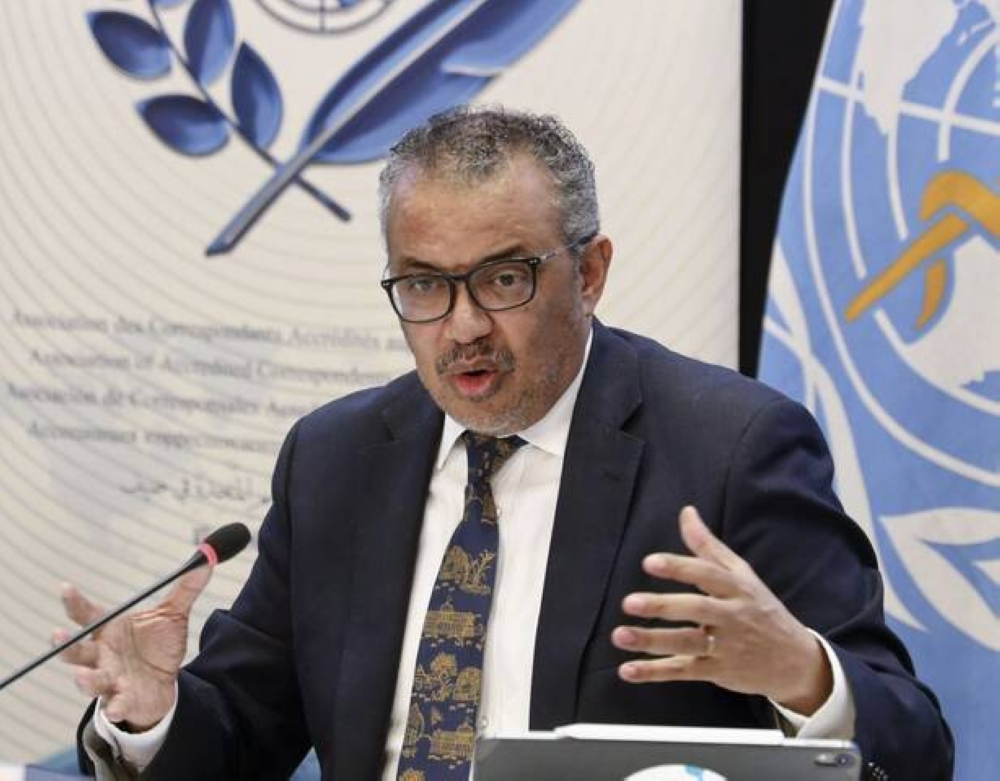
Integrating the health of refugees and migrants into strategic plans is not only a humanitarian imperative but also a critical necessity for ensuring global health security. In this context, the Director-General of the World Health Organization, Tedros Adhanom Ghebreyesus, explained that this integration strengthens the resilience of health systems in general. At the local level, providing preventive and curative care to newcomers helps protect host communities from outbreaks of infectious diseases and reduces the financial burden of delayed access to costly emergency services. At the regional and international levels, these comprehensive policies ensure a more effective response to pandemics and cross-border health crises, creating a stable and sustainable health environment for all. Furthermore, a stigma-free and discrimination-free environment encourages individuals to seek timely medical care, which positively impacts public health indicators.
UN call to accelerate efforts and combat discrimination
Despite the progress made, the World Health Organization (WHO) called for accelerating efforts in close collaboration with international and local partners. The organization stressed the importance of strengthening inclusive policies that ensure equitable access to services, along with improving the quality of health data related to these groups to better target interventions. It also emphasized the need to combat all forms of discrimination that may hinder their access to care. These calls coincide with the ongoing humanitarian tragedies faced by migrants on their perilous journeys, which require urgent intervention to save lives and provide medical and psychological care to survivors of these dangerous voyages.
More than 900 during 2025... A record number of migrants killed or missing in the #RedSea
For more | https://t.co/d3FVZhJzES #Today pic.twitter.com/Oh1RQdxDwB
— Al-Youm Newspaper (@alyaum) March 25, 2026