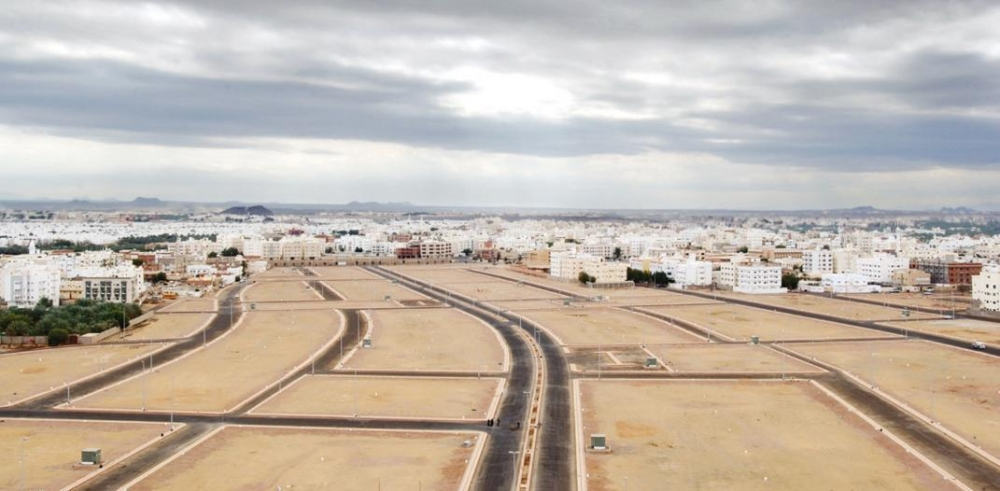
The Saudi Ministry of Municipalities and Housing has released a draft of a new regulation through the "Istilaa" platform, outlining the violations and fines for non-compliance with the vacant land tax system. This crucial step aims to enhance compliance with real estate regulations and improve the efficiency of tax enforcement in the public interest.
Context of the White Land Fees System and its Strategic Objectives
This move comes as part of a comprehensive strategy the Kingdom has been implementing for years to address the housing crisis and land hoarding within urban areas. The vacant land tax system, which imposes an annual fee of 2.5% of the land's value, is based on an economic philosophy aimed at freeing up undeveloped land and encouraging its owners to either develop it or sell it, thereby increasing the supply of real estate and reducing inflated prices.
These new regulations complement the efforts of the Housing Program, one of the programs of the Kingdom’s Vision 2030, to ensure that raw land within cities does not become a store of value without developmental benefit, which disrupts infrastructure projects and delays citizens’ homeownership.
Details of the escalating fines in the new regulations
The draft regulations detailed the fines, stipulating that in some cases, the fine could reach 100% of the outstanding fee. Violations were categorized to ensure fairness and deterrence
- First violation (for the registered owner): The fine starts at 5% of the invoice value, and gradually increases to 50% on the fourth occasion if the violation is repeated and the required data is not provided.
- Violations by unregistered landowners: If the landowner does not register the land in the system before the billing cycle, the penalties are more severe, starting from 15% and reaching 100% of the invoice value on the fourth occasion.
- Evasion and Development: The regulations impose strict fines on those who attempt to evade registration or fail to complete development work within the granted periods, with rates of up to 100% or annual fines of 20% for each year of delay in development.
Expected economic impact on the real estate market
The implementation of these fines is expected to significantly impact the Saudi real estate market. By increasing the cost of holding undeveloped land, landowners will face greater pressure to release their land into the market, either through sale or partnerships with real estate developers. This anticipated influx of developed land and residential units will help balance supply and demand, curbing monopolistic practices and speculation that do not contribute meaningfully to the national economy.
Payment mechanism and taxpayer rights
The ministry emphasized the strictness of the procedures, stipulating that those obligated to pay fines must settle all outstanding amounts within 30 days of being notified. Furthermore, the regulations prohibit any transfer of land ownership before full payment is made. Conversely, the system preserves the right of those obligated to appeal and challenge fine decisions before the competent administrative court, ensuring transparency and fairness in the application of the regulations.