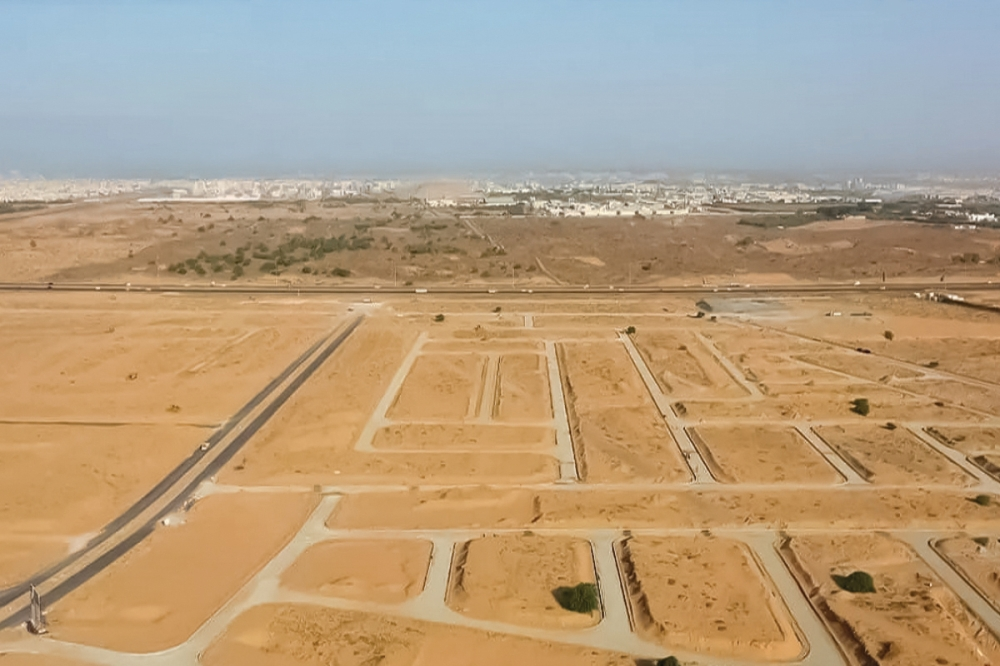
The Ministry of Municipalities and Housing has officially announced the start date for issuing the first invoices for fees on vacant land and properties located within the new geographical zones in the city of Riyadh, starting from January 1, 2026. This announcement comes as a pivotal step in regulating the real estate market in the Kingdom, as the program aims to encourage owners to develop their land instead of keeping it undeveloped.
Program background and strategic objectives
The White Land Tax program is a key initiative launched by royal decree to address the challenges facing the real estate sector in the Kingdom. Since its inception, the program has sought to balance supply and demand and curb the monopolization of undeveloped land within urban areas, thereby directly contributing to providing affordable housing units for citizens. This step is particularly important in the capital, Riyadh, which is experiencing rapid population and urban growth that necessitates a corresponding increase in the supply of real estate.
Fee details and calculation method
The ministry clarified that the fees will be applied to lands exceeding 5,000 square meters in area, and a precise structure for the annual fees has been adopted based on the priority of urban development, as it has been divided into specific segments:
- The first segment (highest priority): It is subject to a fee of 10% of the land value.
- Second segment (high priority): at a rate of 7.5%.
- Third tier (medium priority): at a rate of 5%.
- The fourth segment (low priority): at a rate of 2.5%.
The ministry also pointed out that there is a segment outside the scope of priorities that is not currently subject to fees, but its area is counted within the total lands owned by the taxpayer.
Legal deadlines and the right to object
Within the framework of the system's flexibility, the ministry confirmed that the taxpayer has the right to request an extension for land development upon invoice issuance, subject to the approval of the relevant committee. If development is not completed within the granted period, fees are due for the entire duration. The system also guarantees the right to appeal the invoice within 60 days of notification, with the committee required to issue a ruling on the appeal within a similar timeframe.
Economic and developmental impact
This decision is expected to generate significant economic activity in Riyadh, as the fees will incentivize property owners to either develop or sell their properties, thus injecting new life into the real estate sector. Furthermore, the revenue from these fees will not only go to the public treasury but will also be reinvested in infrastructure development and the provision of public services to housing projects, thereby enhancing the quality of life and contributing to the Kingdom's Vision 2030 goals of increasing homeownership rates.
The ministry concluded by emphasizing the role of the “Etmam” Developers Services Center, which stands as a strategic partner for owners wishing to develop, by expediting the issuance of licenses and overcoming procedural obstacles in cooperation with relevant government agencies.