In a strongly worded statement, the White House asserted that the United States is exerting “maximum influence” over the interim authorities in Venezuela, following the rapid developments in the country that led to the arrest of ousted President Nicolás Maduro. The US administration clarified that it will not merely observe from afar, but will dictate the strategic decisions made by the new leadership in Caracas, thus establishing a new phase of direct intervention in Venezuelan affairs.
In a press briefing, White House spokeswoman Caroline Leavitt stated, “We continue to coordinate closely with the interim authorities, and the United States will continue to influence their decisions,” adding unequivocally, “We naturally have maximum leverage with the interim authorities.” These remarks reflect a radical shift in the geopolitical landscape of Latin America and underscore Washington’s return to a decisive role in shaping Venezuela’s future after years of diplomatic tension and harsh economic sanctions imposed on the previous regime, which led to international isolation and a severe economic downturn.
Three-stage strategic plan
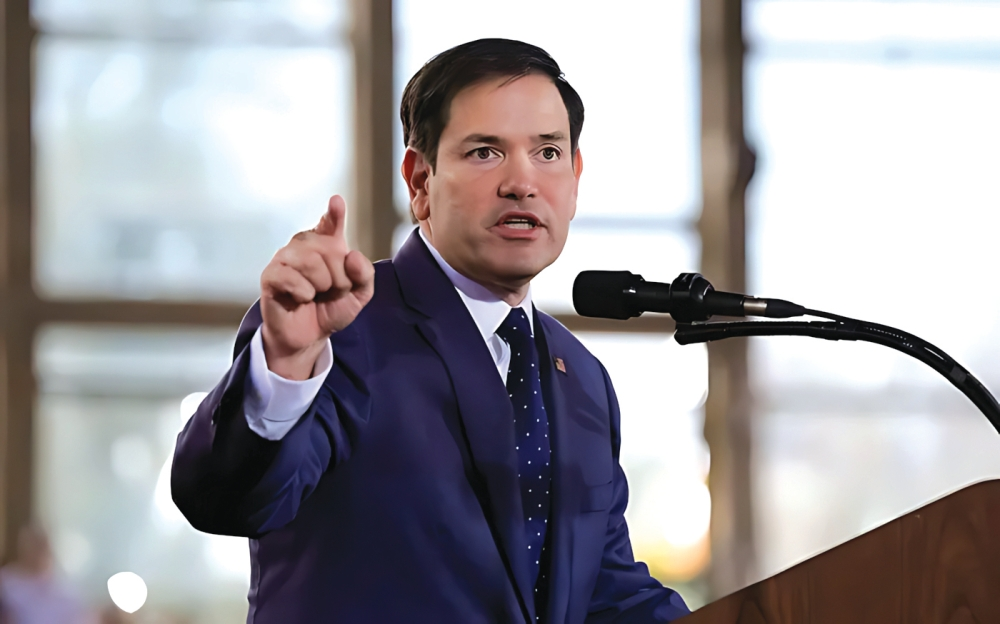
In response to criticism from some US lawmakers regarding what they described as a lack of advance planning in US actions, Secretary of State Marco Rubio unveiled a comprehensive and well-considered three-phase strategy for dealing with the new situation in Venezuela. Rubio told reporters after intensive meetings in Congress that Washington had engaged in detailed discussions with the new authorities, emphasizing that the matter was “not simply improvised.”.
The American plan includes the following stages:
- The first phase (stability): aims to establish security and impose order in the country to ensure that it does not slide into chaos after the sudden political vacuum.
- The second phase (recovery) involves restructuring the economy and ensuring "fair access" for American and Western companies to the Venezuelan market. This phase is of paramount importance given that Venezuela possesses the world's largest proven oil reserves, making it an arena for global economic competition.
- The third stage (the transition process): This is the final political stage, the details of which Rubio did not go into, leaving the door open to speculation about the shape of the upcoming political system and the structure of government.
Oil and the future of global energy
In a related context concerning the economic importance of the event, Levitt reiterated that Washington considers talk of holding elections in Venezuela at this time “premature,” indicating that the current priority is addressing economic and security issues. She noted that President Donald Trump intends to hold important meetings on Friday with the heads of major oil companies.
These meetings aim to discuss the “enormous opportunities” currently available in Venezuela’s energy sector. This move comes at a time when global markets are seeking to diversify energy sources and ensure price stability. The return of Venezuelan oil to the Western market, under US supervision, represents a strategic shift in the global energy landscape, potentially reducing reliance on other traditional energy sources and reshaping economic alliances in the region.