The White House asserted on Thursday that recent European military moves and the deployment of troops to Greenland would not hinder US President Donald Trump's ambitions to impose American control over the Arctic island belonging to the Danish crown.
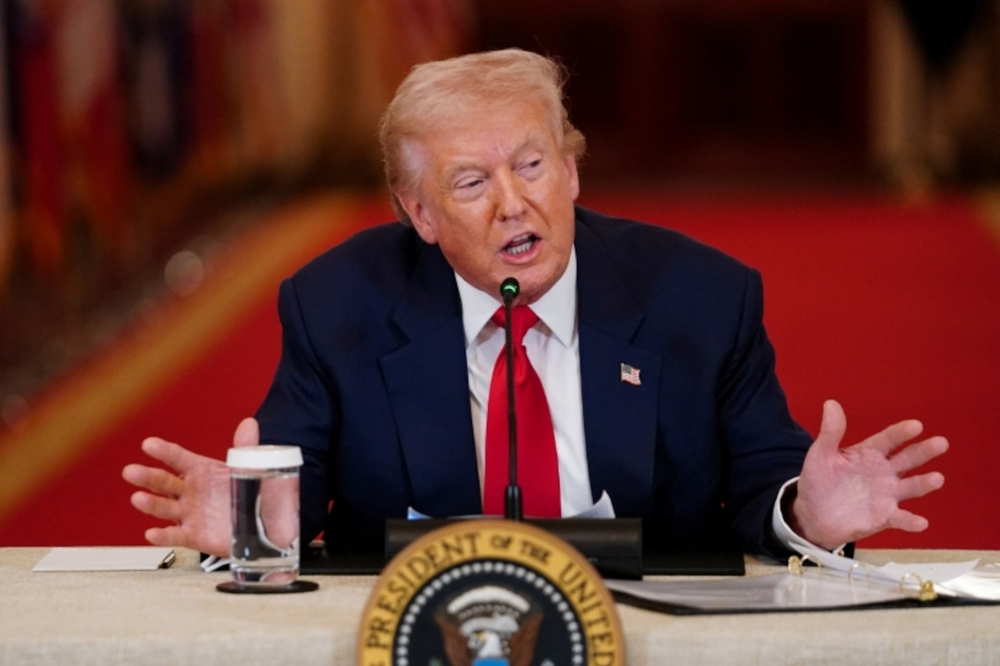
In the first official comment on the news circulating about strengthening the European military presence in the region, White House spokeswoman Caroline Leavitt stated during a press conference: "I don't believe that deploying troops to Europe affects the president's decision-making process in any way, nor does it affect his goal of annexing Greenland.".
American resolve amid geopolitical tension
This statement confirms the continuation of the US president's approach toward the world's largest island, which he views as a vital part of US national security and economic interests. Despite the implicit messages that the deployment of European forces (including reports of French movements) might convey as a sign of solidarity with Denmark and an affirmation of European sovereignty, the US administration appears determined to proceed with its plans, seemingly unconcerned by these developments on the ground.
Historical background: From a "real estate deal" to a diplomatic crisis
Trump's interest in Greenland is not new. During his first presidential term in 2019, he sparked international controversy when he openly expressed his desire to "buy" the island from Denmark, describing it as a "great real estate deal." This offer was met with staunch rejection from Danish Prime Minister Mette Frederiksen, who called the idea "absurd," leading to a temporary diplomatic row and Trump's cancellation of a planned visit to Copenhagen.
The renewed talk about controlling Greenland reflects a firm conviction within the US administration that traditional methods of diplomacy may not be sufficient to secure US interests in the Arctic, opening the door to multiple scenarios for the future of the relationship between Washington and its European allies.
The strategic importance of Greenland: Why the interest?
Greenland is of paramount strategic importance to the United States for several reasons, making it a focal point of international conflict in the Arctic:
- Military location: The island is home to the US Thule Air Base, the northernmost US military base, which plays a crucial role in the ballistic missile early warning system and space surveillance, making it a cornerstone in the defense of US territory.
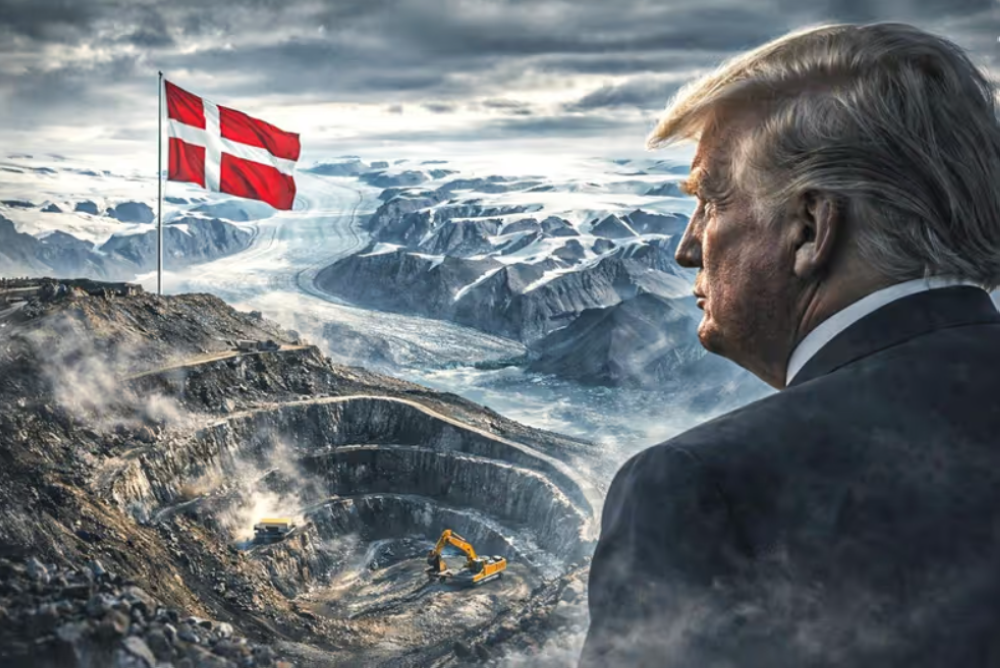
- Natural resources: As the ice melts due to climate change, Greenland's resources are becoming more easily extractable. The island holds vast reserves of rare earth minerals, uranium, oil, and gas—resources that Washington seeks to control to reduce its dependence on international rivals like China.
- Shipping routes: Melting ice is opening up new shipping routes in the Arctic that could shorten global trade routes, and controlling Greenland means controlling the gateway to these routes between the Atlantic and Arctic Oceans.
The implications of this situation for transatlantic relations
The White House's insistence on "annexing" or controlling Greenland, and its disregard for European counter-military moves, could lead to a new rift in US-EU relations. While Europe sees Greenland as part of its sovereignty and regional security, Washington views it as an indispensable strategic necessity, foreshadowing a new era of cold competition in the Arctic, a region once considered an area of international cooperation.