The White House has escalated its warnings to the Iranian regime to an unprecedented level, threatening the use of all military options, including lethal force, in response to the violent crackdown on escalating popular protests in Iranian cities. These statements further strain already tense relations between Washington and Tehran, amid international anticipation of the consequences of this escalation.
Trump's options: between diplomacy and airstrikes
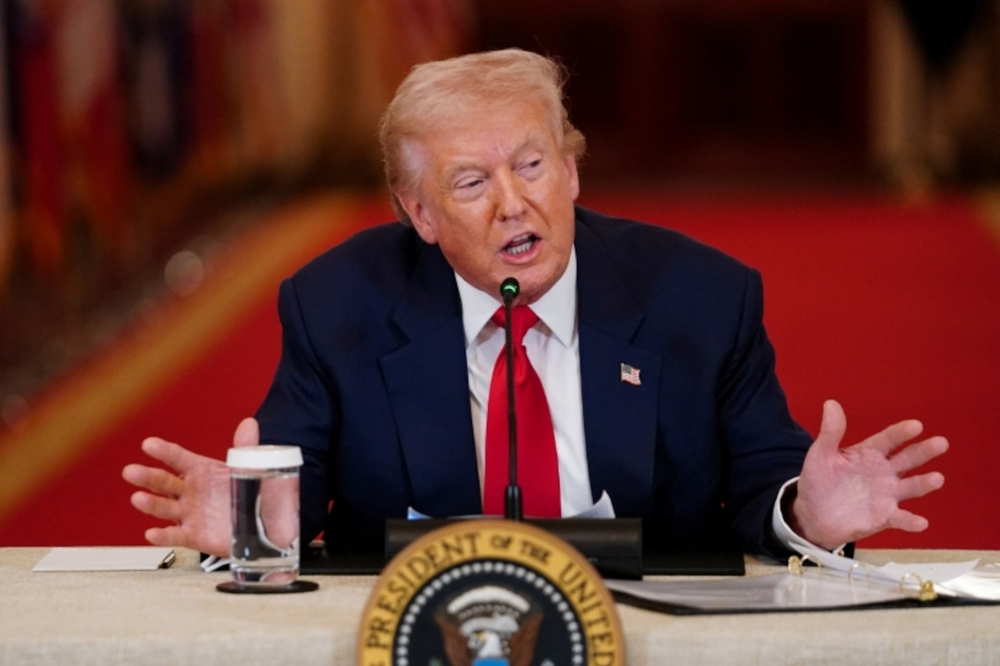
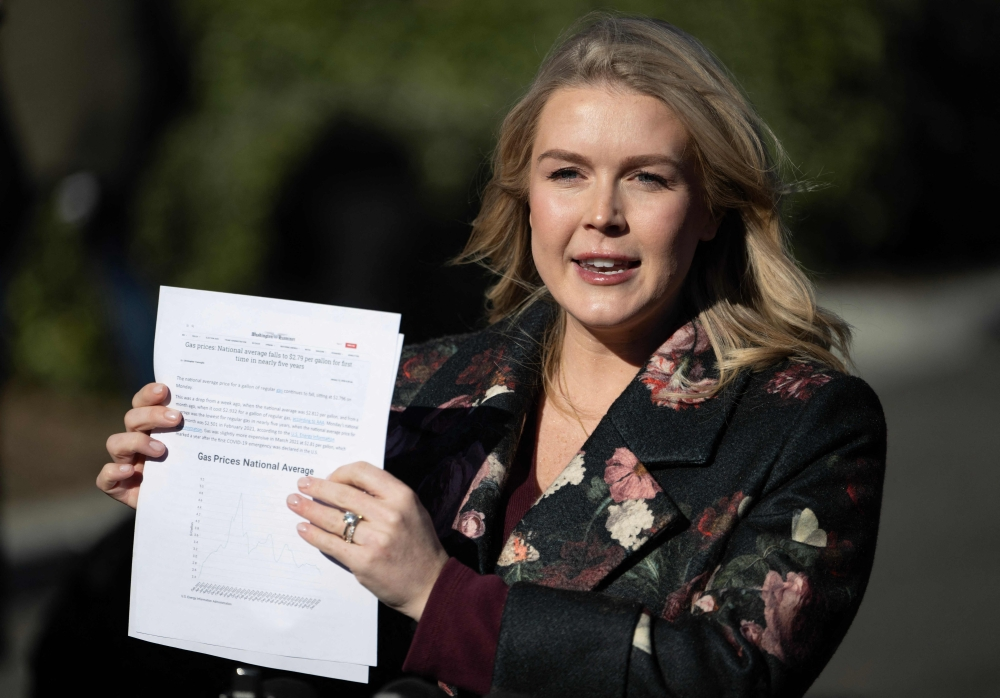
In an interview with Fox News, White House spokeswoman Carolyn Leavitt confirmed that President Donald Trump still prioritizes diplomatic solutions as his first choice. However, Leavitt emphasized that the president would not hesitate to use the full force of the U.S. military, including lethal force, if necessary to protect civilians.
Levitt explained that “airstrikes” remain one of the options strongly on the table for the Commander-in-Chief of the Armed Forces, noting that Trump has made it very clear that he categorically rejects the scenes of killing in the streets of Tehran, which are currently being observed with great regret by the US administration.
Behind-the-scenes communication channels
Despite the heightened rhetoric, reports revealed parallel diplomatic activity. President Trump confirmed that the Iranian leadership had contacted him seeking negotiations after he threatened military action, indicating that Washington was considering “very strong options” but had not closed the door to dialogue. In this context, the Iranian Foreign Ministry confirmed an open channel of communication with the US president’s special envoy, Steve Wittkopf, suggesting a desire on both sides to avoid sliding into all-out war despite the escalating rhetoric.
Context of the conflict: Maximum pressure policy and protests
This new threat cannot be separated from the historical context of US-Iranian relations, especially in light of Trump's previous "maximum pressure" strategy. Iran has been experiencing internal instability for years, fueled by crippling economic sanctions and popular demands for political and social reform. Washington has long considered supporting these protests a powerful tool to pressure the regime in Tehran to change its regional behavior and its nuclear program.
Historically, Iran has witnessed multiple waves of protests, most notably in 2009 and 2019, and more recently the 2022 protests. The United States has always monitored the Iranian authorities' reaction to the protesters, but the direct threat of "airstrikes" in response to the suppression of protesters represents a qualitative shift in the declared rules of engagement.
Potential regional and international repercussions
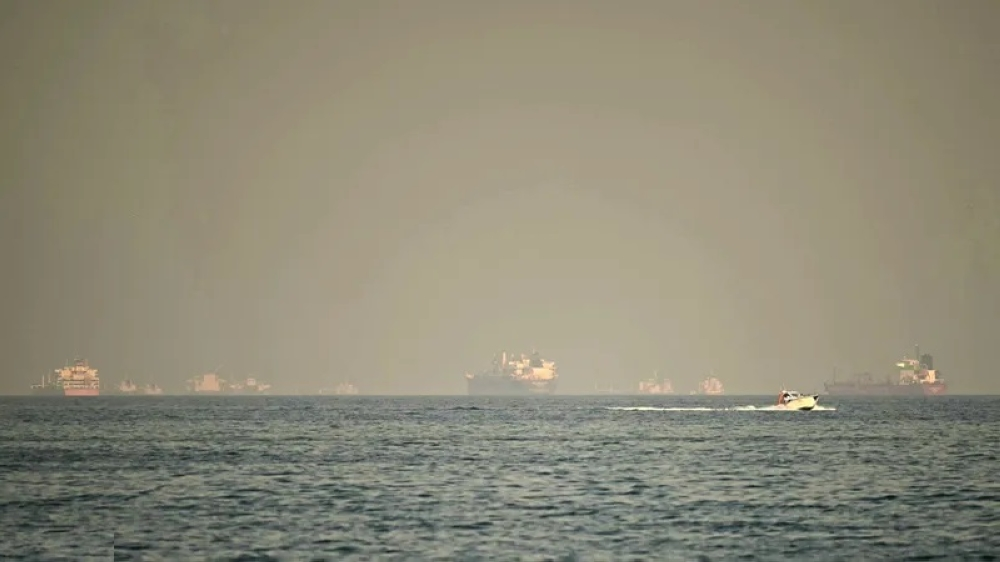
This escalation carries far-reaching geopolitical risks that extend beyond Iran's borders. Regionally, any US military action could provoke retaliatory measures from Tehran or its proxies in the region, threatening maritime security in the Strait of Hormuz and the stability of the Gulf states. Global markets, particularly energy markets, are closely monitoring these developments, as tensions in the Gulf often drive up oil prices, further burdening the global economy.
For its part, Tehran had previously announced its readiness for two contradictory scenarios: war or negotiation, reflecting a state of confusion and anticipation within the corridors of Iranian decision-making in the face of renewed American pressure.