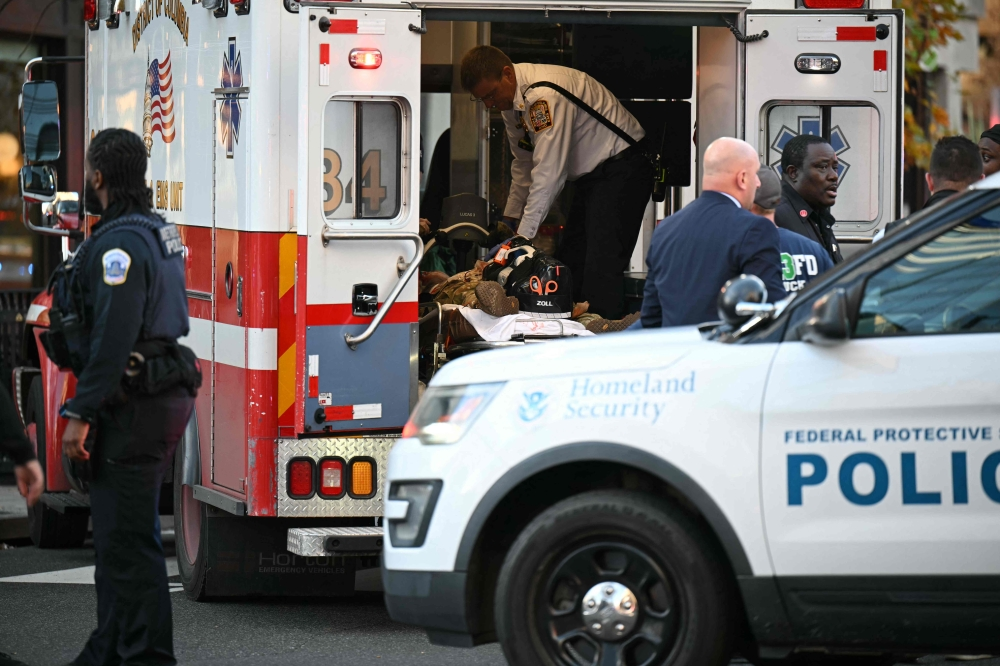
كشفت وسائل إعلام أمريكية بارزة، بما في ذلك شبكة “إن بي سي نيوز” وصحيفة “واشنطن بوست”، عن تفاصيل جديدة تتعلق بحادثة إطلاق النار قرب البيت الأبيض التي هزت العاصمة واشنطن يوم الأربعاء، مشيرة إلى أن المشتبه به الرئيسي في الهجوم هو مهاجر أفغاني. وقد أسفر الحادث عن إصابة عنصرين من الحرس الوطني بجروح خطيرة، مما استدعى استنفاراً أمنياً واسعاً في محيط المقر الرئاسي.
تفاصيل الحادث والتحقيقات الجارية
على الرغم من تداول التقارير الإعلامية حول جنسية المنفذ، إلا أن مكتب التحقيقات الفيدرالي (FBI)، الذي يتولى قيادة التحقيقات في هذه القضية الحساسة، لم يصدر بياناً رسمياً يؤكد هذه المعلومات حتى اللحظة. وفي سياق متصل، صرح الرئيس الأمريكي دونالد ترامب في وقت سابق بأن المشتبه به الذي تمكنت السلطات من توقيفه يعاني من جروح بالغة، مما يشير إلى حدوث اشتباك أثناء عملية التحييد والاعتقال.
استنفار عسكري ونشر 500 جندي إضافي
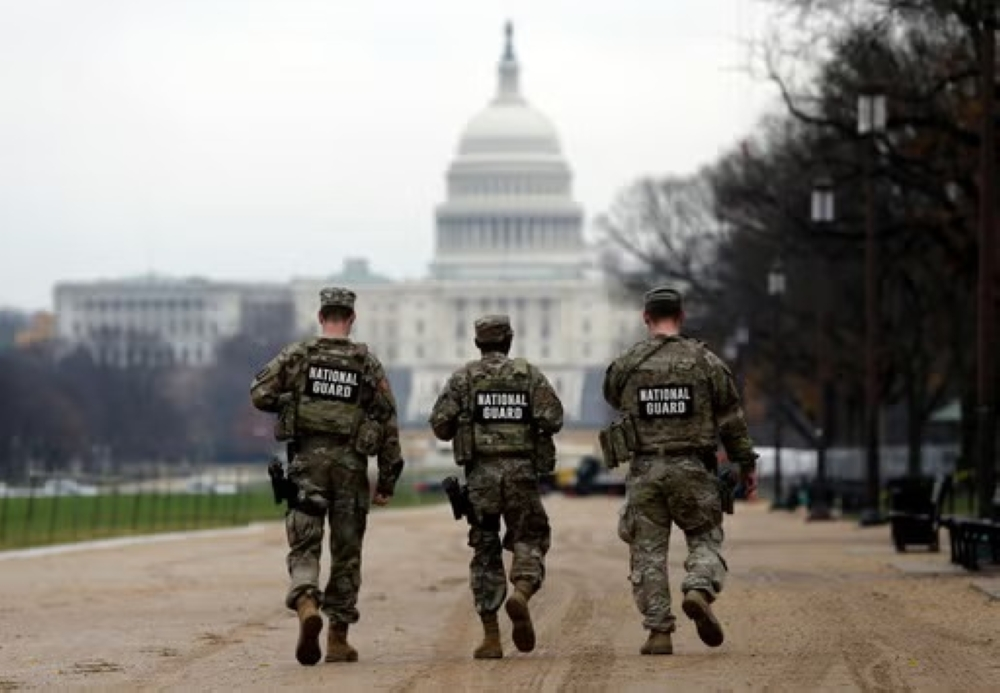
في رد فعل سريع وحازم على الحادث، أعلن وزير الدفاع الأمريكي، بيت هيجسيث، أن الرئيس ترامب أصدر أوامر مباشرة بنشر 500 جندي إضافي من قوات الحرس الوطني في العاصمة واشنطن. ويأتي هذا القرار لتعزيز التدابير الأمنية وضمان السيطرة الكاملة على الوضع الأمني في أعقاب استهداف القوات العسكرية.
وقال هيجسيث في تصريحات صحفية تعليقاً على التطورات: “إن الرئيس ترامب وجه بالتواصل الفوري مع وزير الجيش لتنفيذ قرار إرسال التعزيزات إلى العاصمة”. وأضاف بلهجة حازمة: “إن حادث إطلاق النار هذا يقوي عزيمتنا على ضمان أمن واشنطن العاصمة، وسنلاحق الإرهابيين في كل مكان لنقضي عليهم”. وبهذا القرار، سيرتفع إجمالي عدد عناصر الحرس الوطني المنتشرين في العاصمة إلى أكثر من 2500 جندي.
الأهمية الأمنية والرمزية لموقع الحادث
يكتسب هذا الحادث خطورة استثنائية نظراً لموقعه الجغرافي والرمزي؛ فالمنطقة المحيطة بالبيت الأبيض تعد من أكثر المناطق تحصيناً ومراقبة في العالم. إن وقوع إطلاق نار يستهدف عناصر عسكرية في هذا النطاق يمثل خرقاً أمنياً خطيراً وتحدياً مباشراً لهيبة الدولة، مما يفسر سرعة رد الفعل الرئاسي بزيادة الحشود العسكرية.
تاريخياً، تلجأ الإدارات الأمريكية إلى نشر الحرس الوطني في العاصمة واشنطن خلال الأزمات الكبرى أو عند وجود تهديدات أمنية جدية، نظراً لأن العاصمة لا تتبع لولاية معينة، مما يمنح الرئيس سلطة أوسع في تحريك القوات الفيدرالية لحماية المنشآت السيادية.
التداعيات المتوقعة محلياً ودولياً
من المتوقع أن يلقي الكشف عن هوية المشتبه به كـ “مهاجر أفغاني” بظلاله على المشهد السياسي الداخلي في الولايات المتحدة، حيث قد يعيد هذا الحادث إشعال النقاشات الحادة حول سياسات الهجرة، وإجراءات التدقيق الأمني للقادمين من مناطق النزاع، وكفاءة أجهزة الاستخبارات في رصد التهديدات المحتملة قبل وقوعها.
كما أن استهداف عناصر الحرس الوطني قد يؤدي إلى مراجعة شاملة لبروتوكولات التأمين في العاصمة، وتشديد الإجراءات حول المباني الحكومية والسفارات، في خطوة تهدف إلى طمأنة الرأي العام الأمريكي واستعادة الشعور بالأمان في قلب العاصمة السياسية للولايات المتحدة.