The White House confirmed that the US administration, led by President Donald Trump, is adopting a dual strategy in dealing with the Iranian issue, keeping the door open to diplomatic channels, while not ruling out military options, including launching airstrikes, in response to the violent crackdown by Iranian authorities against protesters.
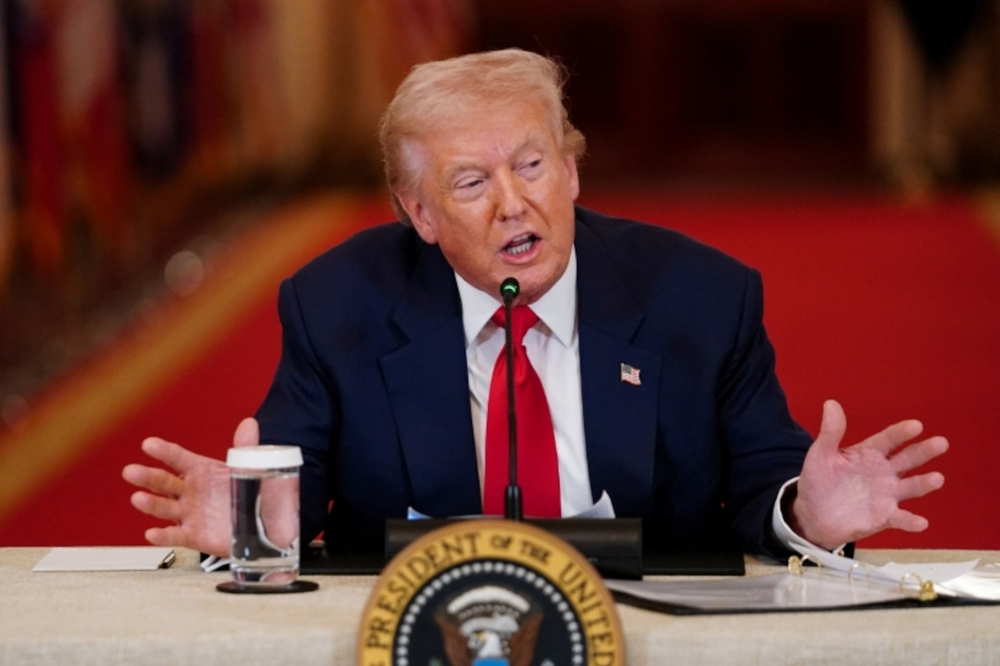
In a press statement, White House Press Secretary Carolyn Leavitt explained that President Trump is adept at keeping all options on the table to ensure U.S. national security and protect human rights. She noted that "airstrikes remain one of many options available to the Commander-in-Chief," while emphasizing that "diplomacy is always the President's first and preferred option.".
Conflicting messages and back channels
Levitt drew attention to the stark contrast between the Iranian regime's public, hostile rhetoric and the messages the US administration receives through back channels. She asserted that President Trump is keen to explore the content of these private messages, suggesting the existence of undisclosed diplomatic activity taking place behind the scenes despite the escalating tensions.
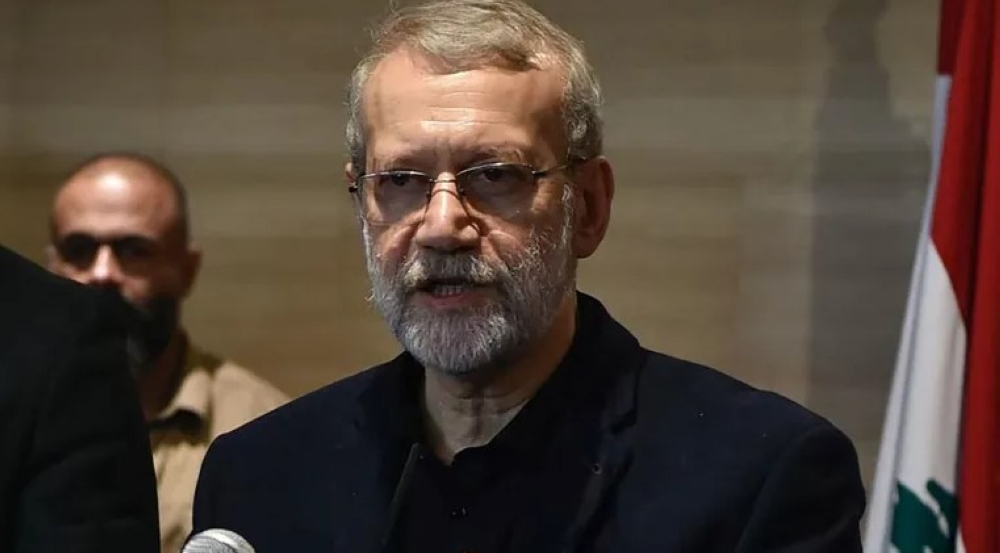
For its part, Tehran declared its readiness for both war and negotiation scenarios. The Iranian Foreign Ministry confirmed the existence of an "open" and effective channel of communication with Steve Wittkopf, the US president's special envoy, reflecting both sides' desire to avoid sliding into a full-blown confrontation with unpredictable consequences.
Context of tension and history of relations
These developments come within the complex historical context of US-Iranian relations, which have been characterized by decades of persistent tension. The Trump administration has typically pursued a policy of "maximum pressure," combining crippling economic sanctions with the threat of military action, aimed at forcing Tehran to the negotiating table and compelling it to make concessions regarding its nuclear program and regional influence. Observers believe that the current threat of military action is intended to exert psychological and political pressure on the Iranian leadership amidst its internal crises.
humanitarian crisis and protests
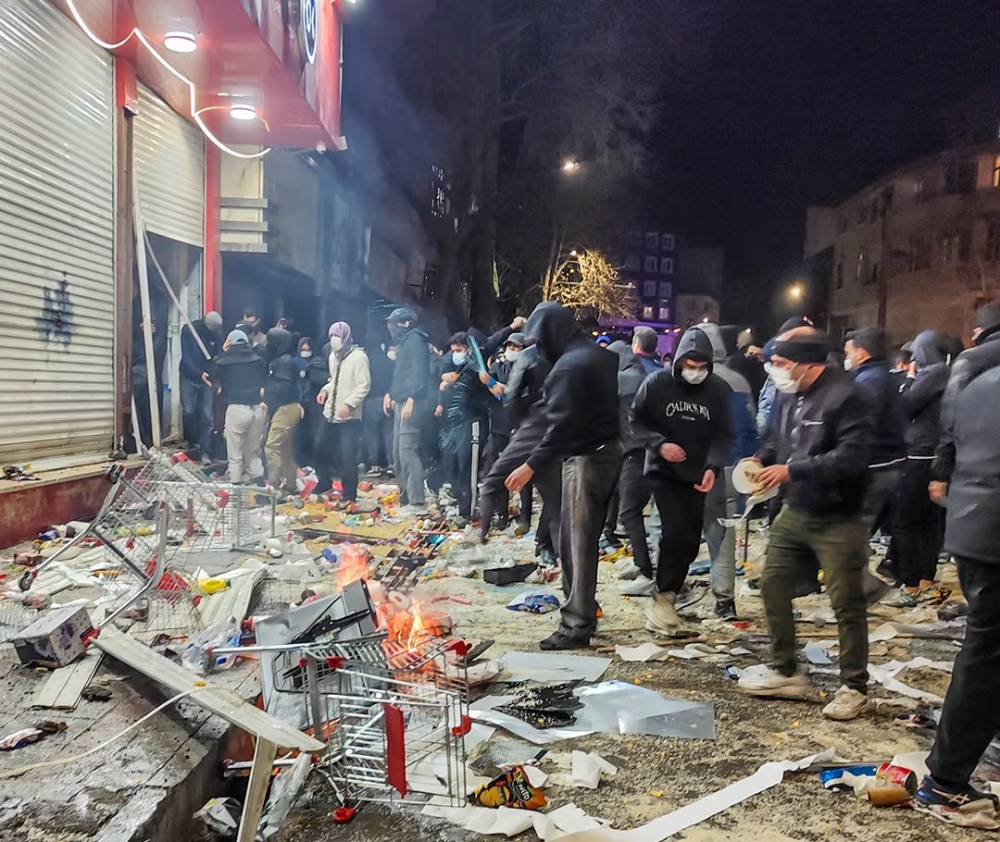
On the ground, Iran is witnessing a massive wave of protests that has entered its fifteenth day, amid alarming human rights reports. Human rights organizations have reported that nearly 650 protesters have been killed as a result of the authorities' use of excessive force in suppressing the demonstrations. In this regard, the White House stressed that President Trump "does not want to see people killed in the streets of Tehran," considering what is currently happening a regrettable situation that requires a firm stance.
Potential regional repercussions
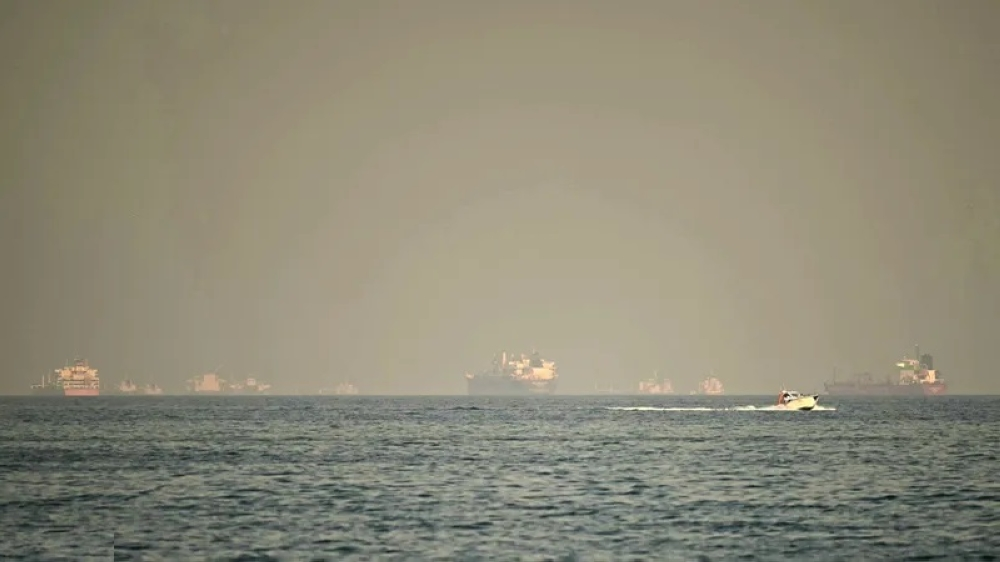
This escalation carries potential repercussions for the stability of the entire Middle East region. Any US military action or Iranian response could directly affect the security of vital waterways and global energy supplies, as well as Washington's allies in the region. Therefore, diplomacy remains the "safety valve" that Washington is trying to maintain to prevent the situation from spiraling out of control, despite the escalating rhetoric from both sides.
Trump had previously stated that the Iranian leadership had contacted him with the aim of negotiating after he threatened military action, noting that they "want to negotiate, but we may have to act before any meeting takes place," which puts the region in front of open scenarios in the coming days.