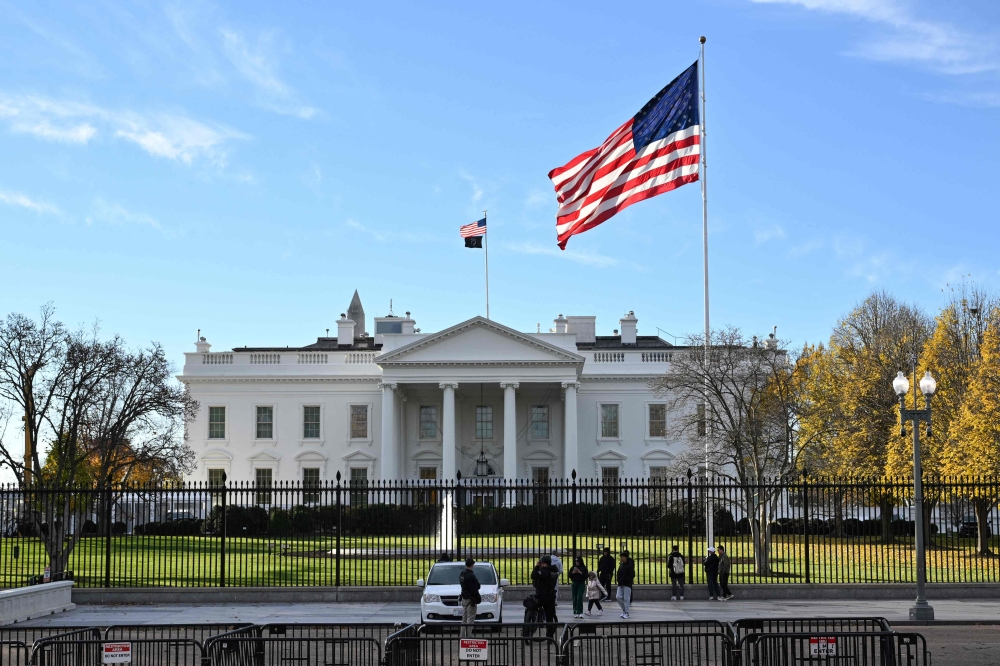
The White House categorically denied media reports that the Trump administration intended to impose hefty fees on countries wishing to join the proposed “Peace Council” for the reconstruction of the Gaza Strip. This denial came in response to a Bloomberg report, which claimed, based on a draft charter, that Washington was requiring a minimum contribution of $1 billion for membership.
The truth about fees and permanent membership
The White House described the report as “misleading,” clarifying in an official statement that there is no specific minimum membership fee. The US administration emphasized that the true criterion for membership is not money alone, but rather “a deep commitment to peace, security, and prosperity.” Officials indicated that financial contributions are part of a broader commitment to regional stability, with permanent membership granted to partner nations that demonstrate a genuine commitment to supporting these strategic objectives.
Context of the initiative and its regional importance
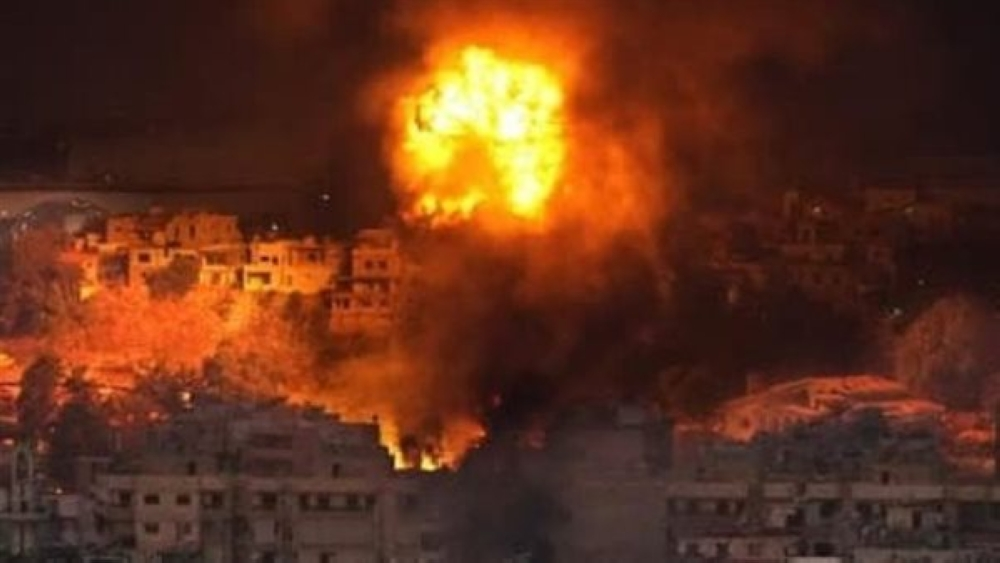
These moves come at a highly sensitive time for the Middle East, as attention focuses on the post-war period in Gaza. The proposed "Peace Council" aims to bridge the administrative and financial gap needed to rebuild the Gaza Strip, which suffered widespread destruction during the two-year war, according to the report. This initiative is gaining international significance as it seeks to bring together key regional and international actors under one umbrella to ensure that the conflict is not repeated and to provide a secure investment environment.
Council structure and its assigned tasks
According to details circulating, Donald Trump will serve as the council's inaugural president. The proposed charter stipulates that each member state will assume the presidency on a rotating basis for a term not exceeding three years, with the possibility of renewal. The council's work will focus on several key areas, including:
- Strengthening administrative capacities in affected areas.
- Developing regional relations between member states.
- Overseeing comprehensive reconstruction operations.
- Attracting foreign investment and large-scale financing.
- Facilitating the movement of capital to support the local economy.
List of candidates and prominent figures
The council's composition relies on a mix of seasoned political figures and business leaders, reflecting the US administration's approach of integrating diplomacy with economics. Among the most prominent names discussed for inclusion in the council's structure are:
- Steve Witkoff: Special Envoy of Donald Trump.
- Jared Kushner: The president's son-in-law and mediator in previous agreements.
- Tony Blair: Former British Prime Minister.
- Mark Rowan: The American billionaire, indicating the economic weight of the council.
- Nikolay Mladenov: Former UN envoy for the peace process.
- Sigrid Kaag: UN envoy to the Middle East.
- Prominent regional figures: Turkish Foreign Minister Hakan Fidan, Qatari diplomat Ali Al-Thawadi, Egyptian intelligence chief Hassan Rashad, and UAE Minister of State Reem Al-Hashemi.
International calls and expanding the coalition
In an effort to garner international support, the Trump administration extended invitations to a number of world leaders to join or participate in this endeavor. While final acceptance from all parties has not been confirmed, the list included influential figures such as Egyptian President Abdel Fattah al-Sisi, Turkish President Recep Tayyip Erdoğan, and Brazilian President Luiz Inácio Lula da Silva, reflecting Washington's desire to give the council a global character that transcends traditional alliances.