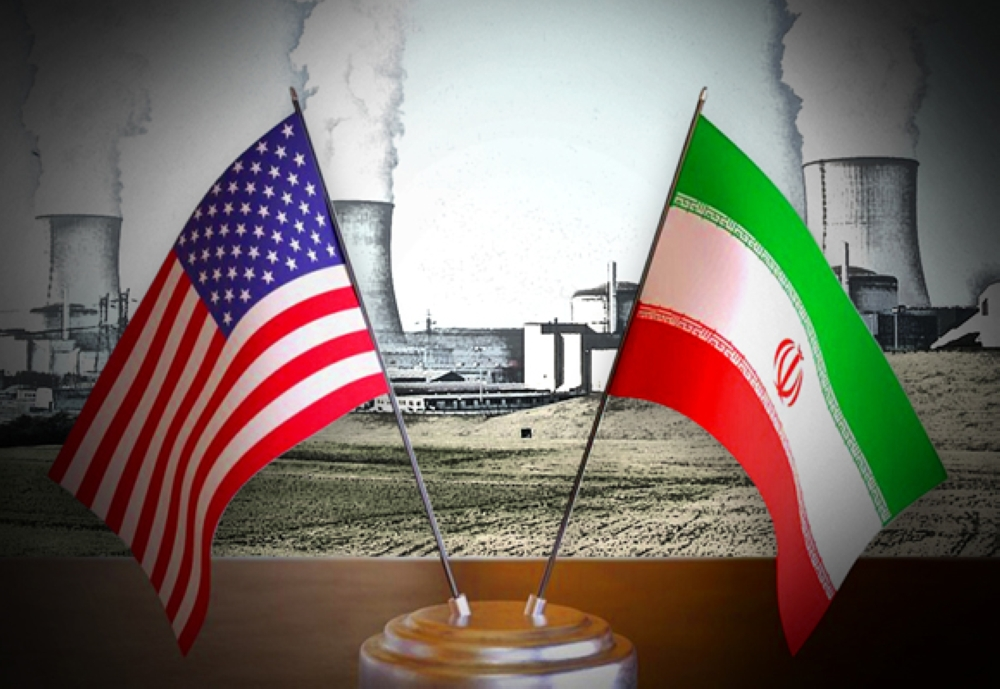
The White House affirmed that the diplomatic path with Tehran remains open and that anticipated talks between the two countries are still on the agenda, despite the recent military tension in the Arabian Sea, specifically the downing of an Iranian drone by the US military. This statement underscores Washington's dual strategy of combining military pressure with calls for dialogue.
In detailing the incident, a US military spokesperson announced that a US Navy F-35 fighter jet shot down an Iranian drone on Tuesday. According to the US statement, the drone approached a US aircraft carrier in a “hostile and dangerous” manner while the carrier was operating in international waters in the Arabian Sea, prompting an immediate defensive response to ensure the safety of the crew and equipment.
A context of ongoing tension
This confrontation comes in the context of historically strained relations between the United States and Iran, which have escalated significantly since President Donald Trump's administration withdrew from the nuclear agreement (Joint Comprehensive Plan of Action) in 2018. Following the withdrawal, Washington reimposed harsh economic sanctions on Tehran as part of what became known as the "maximum pressure" policy, with the aim of forcing Iran to renegotiate a new agreement that includes its missile program and regional influence.
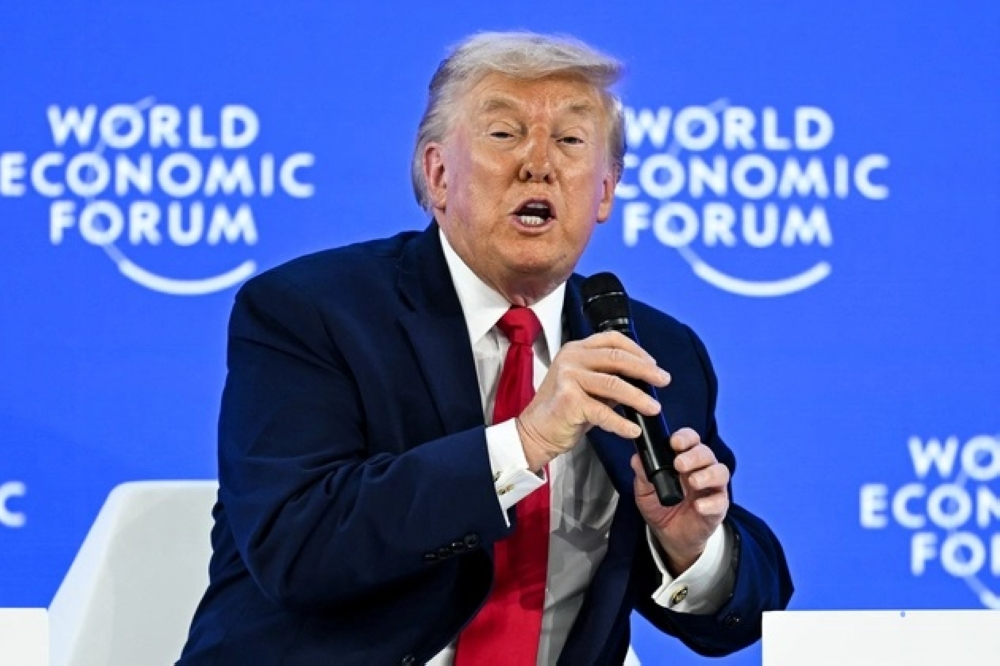
White House spokeswoman Caroline Leavitt told Fox News that U.S. envoy Steve Wittkopf is scheduled to hold talks with the Iranians later this week, adding that President Trump remains committed to trying the diplomatic track first. Leavitt emphasized that diplomacy requires commitment from both sides, while also noting that all options, including the use of military force, remain on the table.
The regional and international importance of the talks
These talks, likely to be held in Turkey, are of paramount importance both regionally and internationally. Regionally, Washington's Middle Eastern allies, such as Saudi Arabia and Israel, are closely monitoring these developments, expressing their ongoing concern about Iran's nuclear program and Tehran's destabilizing activities through its proxies in the region. Any potential agreement could reshape the geopolitical balance in the region.
Internationally, major powers, particularly the European signatories to the nuclear agreement, are pushing for diplomatic solutions to avert a large-scale conflict that could threaten maritime security in vital waterways like the Strait of Hormuz and negatively impact global energy markets. These talks are therefore seen as a crucial opportunity to test the intentions of both sides and the possibility of defusing the crisis that is casting a shadow over global security.