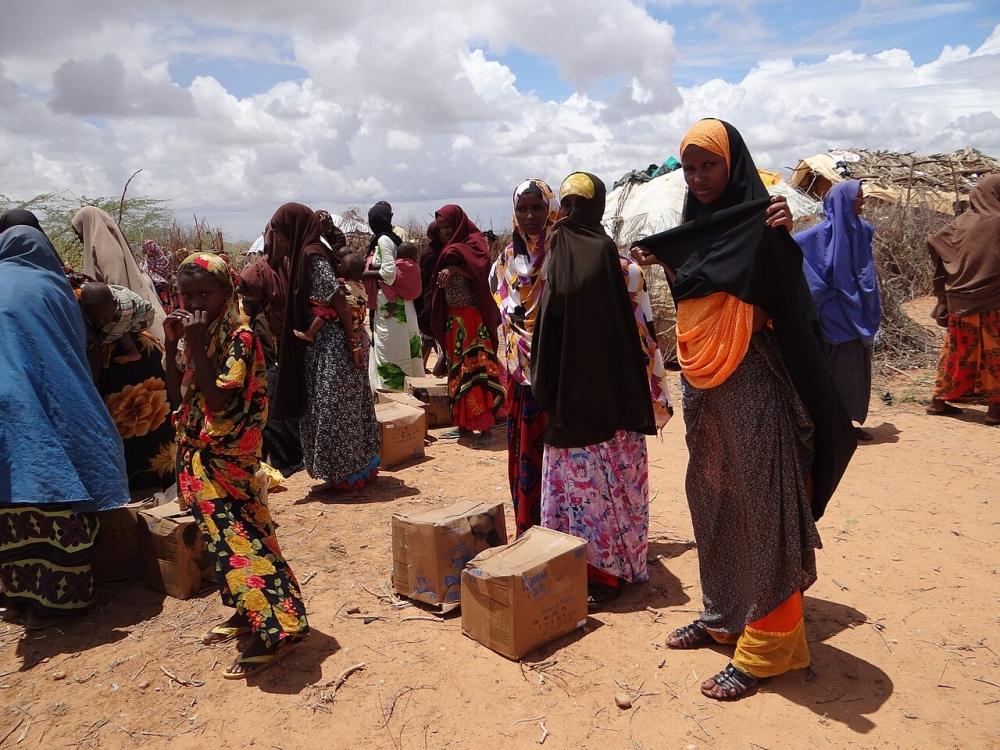
World Food Programme (WFP) has issued a stark warning about the deteriorating humanitarian situation in West and Central Africa, stating that continued funding shortfalls could lead to an unprecedented humanitarian catastrophe. The WFP explained that ongoing cuts in humanitarian aid could push some 55 million people into critical levels of hunger and food insecurity by the 2026 lean season.
A severe funding crisis threatens millions
Amid global economic crises, humanitarian work faces immense challenges. The program has emphasized its urgent need for US$453 million over the next six months. This is not just a figure; it is a vital lifeline for continuing to provide life-saving food assistance in an already fragile region. Without this funding, the program will be forced to make painful decisions, including reducing food rations or cutting aid to vulnerable groups, further exacerbating the suffering of the population.
Children are the biggest victims
Children are the most vulnerable group in this complex equation. Alarming data indicates that over 13 million children in the region are at risk of acute malnutrition. Malnutrition at this age is not only life-threatening, but it also has long-lasting effects on children's physical and mental development, jeopardizing the future of an entire generation in Africa and weakening the human and economic potential of these countries for years to come.
Context of the crisis: conflicts and a volatile climate
This warning cannot be separated from the broader context of West and Central Africa. The region is facing a “perfect storm” of compounded challenges, where armed conflicts and political instability in the Sahel intertwine with the harsh consequences of climate change. Recurring droughts and devastating floods have directly impacted agricultural and livestock production, the primary sources of livelihood for millions.
Furthermore, global economic turmoil and soaring food and fuel prices have eroded household purchasing power, making it difficult for millions to secure a daily meal. The off-season, the period before the harvest when food stocks are depleted, has become longer and harsher year after year.
Regional and international repercussions
The worsening hunger crisis in West and Central Africa is not confined to the geographical borders of these countries. Food insecurity is a major driver of internal displacement and irregular migration towards the North and Europe. Hunger and despair also provide fertile ground for the growth of social unrest and the expansion of extremist groups, threatening regional and international peace and security. Therefore, responding to the World Food Programme's appeal is not merely an act of charity, but a strategic imperative to ensure the stability of the region and the world.