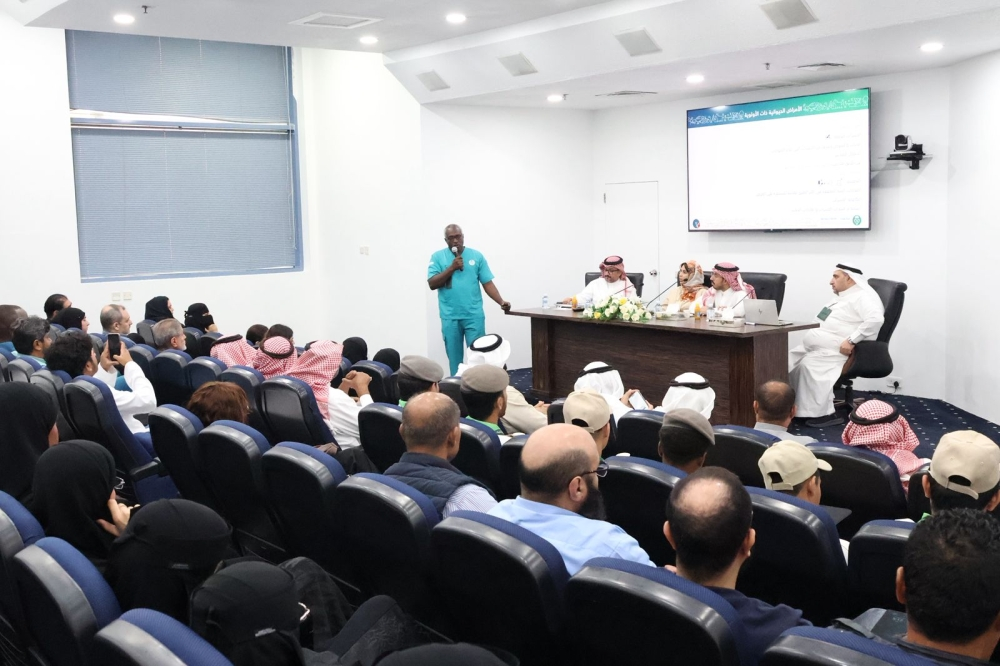
In a strategic move aimed at strengthening the food security system and protecting national resources, the National Center for Plant Pest and Animal Disease Prevention and Control (Wiqa’) in the Makkah region intensified its field and awareness efforts, launching a series of specialized workshops under the “Mishraq” program. This initiative aimed to familiarize specialists and livestock breeders with priority animal diseases and effective control mechanisms, during a large gathering hosted by the Jeddah Chamber of Commerce, attended by a select group of experts and stakeholders in the agricultural sector.
Prevention and control strategies
The workshop focused extensively on the list of animal diseases classified as "high priority" and "epidemic" due to their high severity and rapid spread, reviewing the latest internationally approved scientific protocols for their prevention. The sessions also emphasized early diagnosis methods that ensure a rapid response and containment of any potential disease outbreaks before they worsen, reflecting the center's commitment to applying the highest standards of veterinary safety.
The sessions witnessed in-depth interactive discussions between experts and livestock breeders, during which field experiences were exchanged, and practical solutions to the daily challenges faced by breeders in managing herd health were reviewed, thus contributing to bridging the gap between theory and practical application in the field.
Digital transformation in veterinary services
In keeping with the digital transformation, specialists from the center provided a comprehensive explanation of the modern digital systems adopted by "Wiqa," demonstrating to attendees how to use the electronic platforms to submit reports and requests. This step aims to ensure the rapid delivery of veterinary and advisory services to beneficiaries and reduce the time spent on traditional procedures, thereby enhancing the efficiency of the response to health emergencies.
National context and strategic dimensions
These intensified efforts are part of a broader national context aligned with the goals of the Kingdom's Vision 2030, which places great emphasis on achieving food security and the sustainability of natural resources. The livestock sector is a cornerstone of the national economy, as maintaining herd health contributes to reducing reliance on imports, increasing self-sufficiency in meat, dairy products, and their derivatives, and protecting public health from zoonotic diseases that can be transmitted from animals to humans.
These efforts aim to raise awareness among breeders about health risks, which directly contributes to the sustainability of the agricultural sector in the Kingdom, and enhances the quality and efficiency of local livestock production, which positively impacts the local economy of rural areas and supports small breeders.
comprehensive geographical expansion
The efforts were not limited to Jeddah Governorate alone, but the center’s branch in the Makkah region expanded the scope of its awareness campaign to include the Holy Capital and the governorates of Taif, Al-Qunfudhah and Al-Khurmah, to ensure that the guidance messages reach the largest possible segment of beneficiaries in different terrains and environments.
The center’s offices in those governorates conducted similar workshops with wide participation from interested parties, all of which focused on promoting preventive knowledge to reduce animal health risks and to create a strong defensive barrier against epidemic diseases, thus ensuring a safe and sustainable agricultural environment.