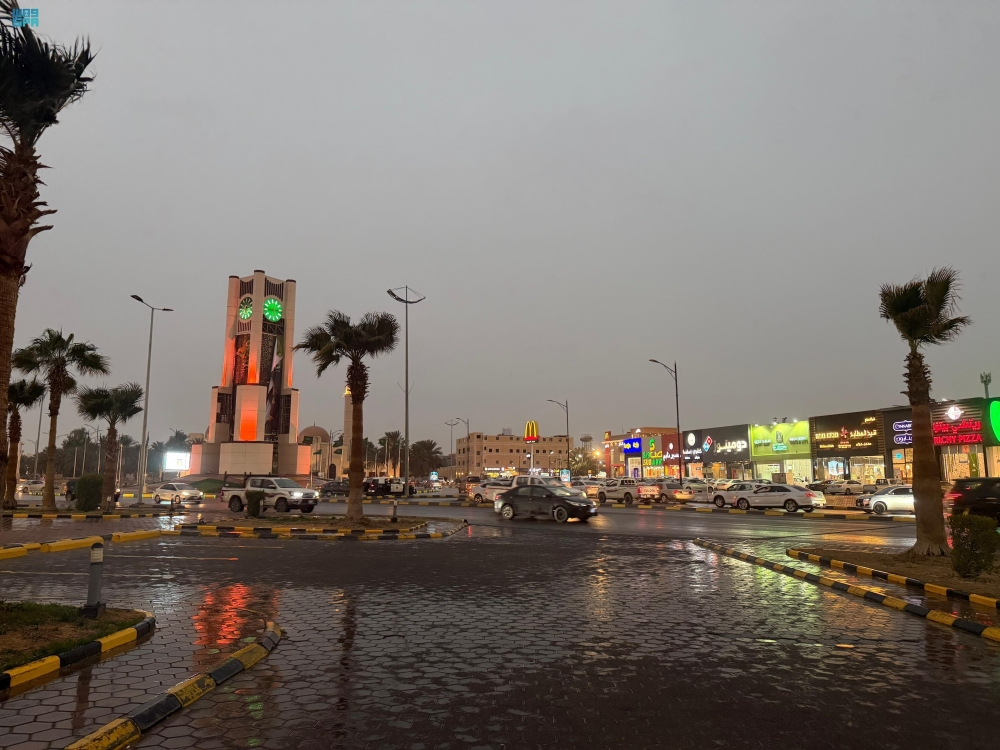
أصدر المركز الوطني للأرصاد في المملكة العربية السعودية تنبيهاً مهماً بشأن حالة الطقس في منطقة الجوف، محذراً من هطول أمطار قد تكون رعدية على محافظتي القريات وطبرجل خلال الساعات القادمة. ويأتي هذا التحذير في إطار جهود المركز المستمرة لمراقبة الظواهر الجوية وتزويد المواطنين والمقيمين بالمعلومات الدقيقة لضمان سلامتهم.
تفاصيل الحالة الجوية المتوقعة
وفقاً للتقرير الصادر عن المركز، من المتوقع أن تشهد محافظتا القريات وطبرجل هطول أمطار خفيفة إلى متوسطة، تكون مصحوبة بنشاط في الرياح السطحية التي قد تثير بعض الأتربة والغبار، مما يؤدي إلى تدنٍ في مدى الرؤية الأفقية. وأشار التقرير إلى أن هذه التقلبات الجوية ستترافق مع تكوّن السحب الرعدية وهطول زخات من المطر، مع احتمالية حدوث صواعق رعدية. وقد حدد المركز أن هذه الحالة الجوية ستبدأ اليوم وتستمر حتى الساعة الثالثة من صباح يوم غد الخميس.
منطقة الجوف في مواجهة التقلبات المناخية
تقع منطقة الجوف في الجزء الشمالي من المملكة العربية السعودية، وتتميز بمناخها الصحراوي الذي يتسم بالجفاف وندرة الأمطار في معظم أوقات العام. لذلك، يمثل هطول الأمطار، حتى وإن كان خفيفاً، حدثاً مناخياً مهماً للمنطقة. تساهم هذه الأمطار في تغذية مخزون المياه الجوفية وتنعش الغطاء النباتي، وهو أمر حيوي للزراعة التي تشتهر بها المنطقة، خاصة زراعة الزيتون والنخيل.
ومع ذلك، فإن الطبيعة الطبوغرافية للمنطقة التي تضم العديد من الأودية والشعاب تجعلها عرضة لمخاطر السيول المفاجئة عند هطول الأمطار. لذا، تكتسب تحذيرات المركز الوطني للأرصاد أهمية قصوى في توجيه السكان لاتخاذ الاحتياطات اللازمة وتجنب المناطق المنخفضة ومجاري السيول.
التأثيرات المتوقعة ودعوات للحذر
من المتوقع أن يكون لهذه الحالة الجوية تأثيرات متعددة على الحياة اليومية في القريات وطبرجل. فعلى الصعيد المحلي، يُنصح السائقون بتوخي الحذر الشديد على الطرقات بسبب تدني الرؤية واحتمالية انزلاق المركبات. كما تدعو الجهات المعنية، مثل الدفاع المدني، المواطنين والمقيمين إلى البقاء في أماكن آمنة والابتعاد عن تجمعات المياه والأودية أثناء هطول الأمطار الرعدية.
على الصعيد الإقليمي، تعد هذه الحالة المطرية جزءاً من منظومة جوية أوسع قد تؤثر على أجزاء أخرى من شمال المملكة والمناطق الحدودية. وتبرز هذه الظواهر أهمية التعاون الإقليمي في مجال الأرصاد الجوية لتبادل البيانات والتنبؤات الدقيقة، مما يساهم في الحد من آثار الكوارث الطبيعية المحتملة.
وفي الختام، يجدد المركز الوطني للأرصاد تأكيده على ضرورة متابعة التحديثات والتقارير الجوية الصادرة عنه عبر قنواته الرسمية، والالتزام بتعليمات السلامة الصادرة عن الجهات المختصة لضمان سلامة الجميع.