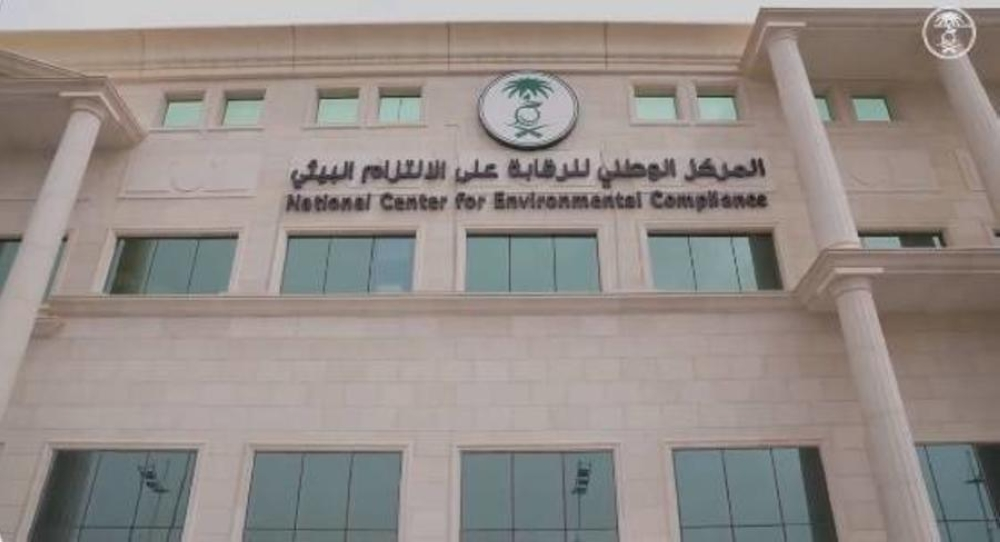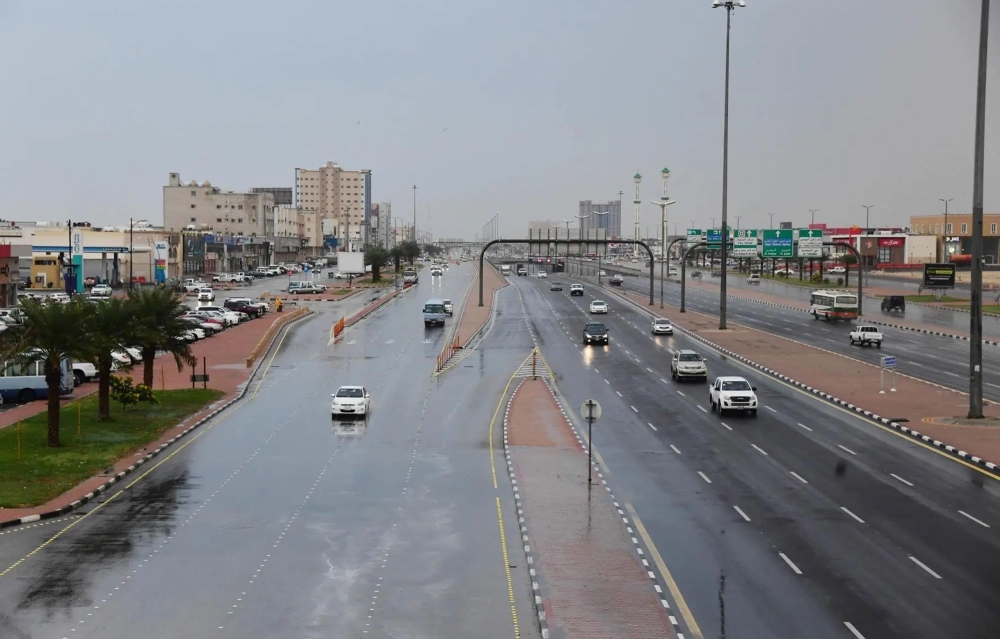
Citizens and residents of Saudi Arabia are awaiting details of the weather on the second day of Eid , as the National Center for Meteorology issued its daily report containing important warnings and alerts for everyone. The center predicted continued weather fluctuations, including moderate to heavy thunderstorms, which could lead to flash floods in several areas, accompanied by hail and strong winds that will stir up dust and sand. This necessitates taking precautions during celebrations and travel.
Areas covered by the weather forecast for the second day of Eid
The meteorological report indicated that rainfall will affect large parts of the Kingdom, with thunderstorms and rain expected across 10 major regions. These regions include the Eastern Province, Riyadh, Makkah, Al-Baha, Asir, Jazan, and Najran. The effects will also extend to parts of the northern and northwestern regions, specifically Tabuk, Al-Jawf, and the Northern Borders. Meteorologists did not rule out the possibility of dense fog forming in the early morning and late evening hours in parts of these highlands and regions, which could reduce horizontal visibility for travelers.
Navigation conditions and wind patterns on the Red Sea
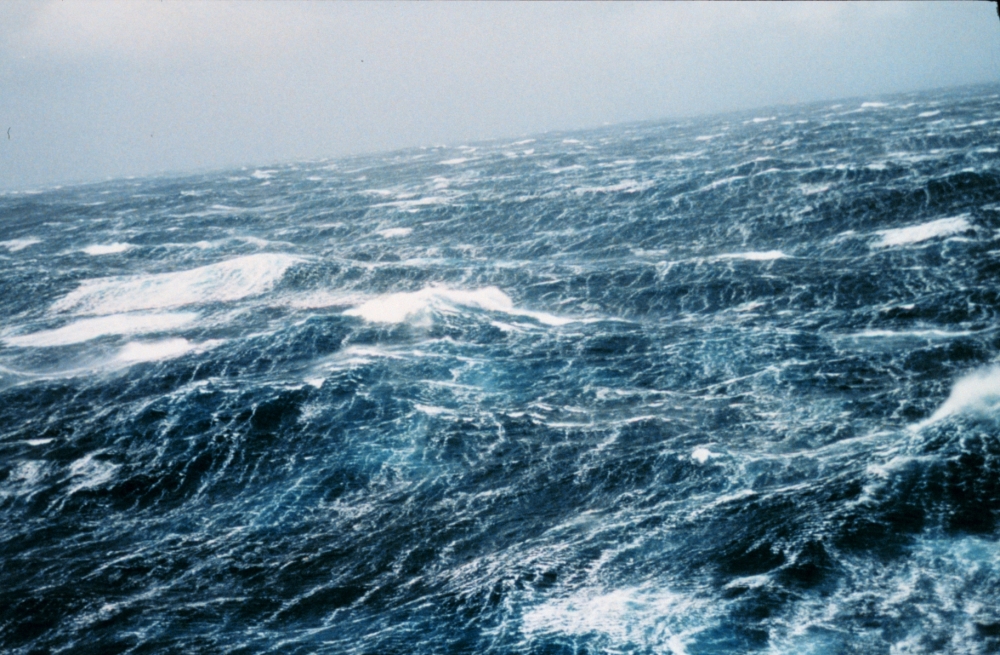
Regarding the maritime conditions, the report provided detailed information on surface wind patterns over the Red Sea. Winds are expected to be southwesterly to southeasterly at speeds ranging from 10 to 35 kilometers per hour in the northern and southern parts. These winds may intensify, reaching speeds of up to 50 kilometers per hour, with the formation of thunderstorms and rain, particularly in the southern part and towards the Gulf of Aqaba. In the central part, winds will be northerly to northwesterly at speeds of 10-28 km/h. This will be accompanied by wave heights ranging from half a meter to one and a half meters, potentially exceeding two meters in areas of thunderstorms. The sea will be slight to moderate, becoming rough during periods of extreme instability.
Climate context and the role of the National Center for Meteorology
Historically, Saudi Arabia experiences significant weather fluctuations during seasonal transitions, as warm and cold air masses collide, resulting in atmospheric instability. The National Center of Meteorology plays a vital and pivotal role in monitoring these climatic changes with high accuracy using the latest technologies and radars. These ongoing efforts aim to protect lives and property through early warnings, building upon a long history of institutional work in the Kingdom to enhance public safety and mitigate the risks of weather- and climate-related natural disasters.
Expected effects of rain on Eid celebrations and society
These weather changes are of great importance and have a direct impact locally, especially as they coincide with the Eid holiday, a time when travel between cities increases, and family gatherings and outdoor events abound. The rainfall and resulting flash floods necessitate that travelers on highways exercise extreme caution and adhere to traffic and civil defense instructions. On the other hand, these rains have a significant positive impact on the agricultural and environmental sectors in the Kingdom, contributing to the irrigation of farms, replenishing groundwater levels, and revitalizing vegetation that enhances the beauty of the desert and mountain landscapes, which will positively affect domestic tourism in the coming months.