Saudi Arabia is experiencing significant weather fluctuations, with the National Center for Meteorology revealing its latest weather forecast for Wednesday in its daily report. The report indicated continued thunderstorms ranging from moderate to heavy, which could lead to flash floods in numerous valleys and ravines. This rainy weather will be accompanied by hail and strong, gusty winds, stirring up dust and sand and causing near-zero visibility across large parts of the Kingdom, including the Eastern Province, the Northern Borders, Al-Jawf, Tabuk, Hail, Al-Qassim, Riyadh, Madinah, Makkah, Al-Baha, Asir, Jazan, and Najran. There is also a chance of dense fog in parts of these regions, while the possibility of snow remains for the mountainous areas of the Tabuk region.
The importance of monitoring weather forecasts and rainfall history
The climate changes experienced in the Arabian Peninsula are part of a natural cycle characterized by varying rainfall patterns from year to year. Historically, Saudi Arabia has witnessed periods of atmospheric instability during the transitional seasons, particularly in autumn and spring, leading to heavy rainfall. These weather patterns result from the convergence of cold air masses from the north with warm, moist air currents from the Arabian Sea and the Red Sea. This rainfall plays a vital role in replenishing groundwater and promoting vegetation growth in desert regions, highlighting the importance of regularly weather forecasts
Expected impacts of rainfall on infrastructure and daily life
These weather changes have tangible impacts both locally and regionally. Locally, heavy rainfall and flash floods necessitate a mobilization of relevant authorities, such as Civil Defense and the Ministry of Transport, to ensure the safety of roads and infrastructure and to prevent traffic accidents caused by reduced visibility. Strong, dust-laden winds also affect air and sea navigation, requiring caution from citizens and residents, especially those with respiratory conditions. Regionally, these low-pressure systems contribute to temperature adjustments and a more pleasant atmosphere, signaling the arrival of a rainy season that could herald a bountiful spring, positively impacting the agricultural and pastoral sectors.
Maritime navigation conditions in the Red Sea and the Arabian Gulf
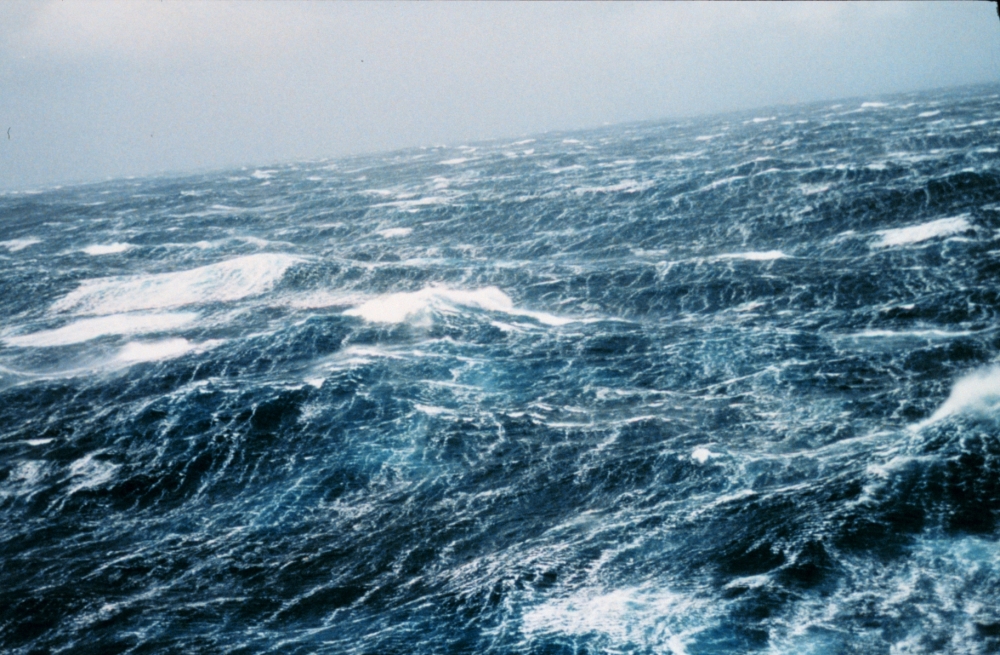
Regarding maritime navigation, the report indicated that surface winds over the Red Sea will be northwesterly to westerly in the northern part, and southeasterly to southerly in the central and southern parts, with speeds ranging from 27 to 50 km/h, potentially exceeding 60 km/h during thunderstorms. Wave heights will range from 1.5 to 2.5 meters, increasing in areas of thunderstorms, resulting in moderate to rough sea conditions.
In the Arabian Gulf, surface winds will be southeasterly to southerly at speeds of 20 to 41 km/h, reaching over 55 km/h with thunderstorms. Wave heights will range from one to two meters, occasionally exceeding two and a half meters, resulting in sea conditions that are slight to moderate and occasionally rough.
Special alerts for the Eastern Province
The National Center for Meteorology has issued advanced warnings for the Eastern Province, forecasting moderate to heavy rainfall starting at 9:00 AM and continuing until 7:00 PM. This warning covers the governorates of Hafr Al-Batin, Al-Khafji, Al-Nairiyah, and Qaryat Al-Ulya. This weather system will be accompanied by severe effects including strong winds, near-zero visibility, hail, flash floods, and frequent thunderstorms. Residents are urged to adhere to all safety instructions issued by official authorities.