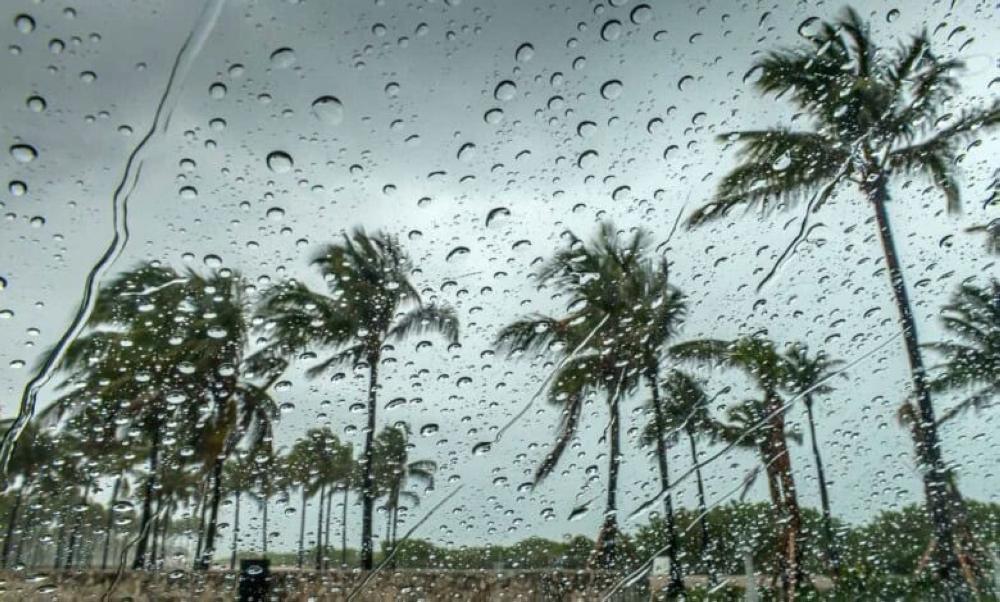
The National Center for Meteorology issued its daily weather report for Saudi Arabia on Tuesday, indicating continued weather fluctuations across several regions of the Kingdom. The report included forecasts of light rain, possibly affecting parts of the Madinah region, while active winds will continue to reduce horizontal visibility in other areas.
Rainfall and active wind map
The center explained in its statement that the chance of rain remains high in parts of Medina, while surface winds will stir up dust and sand, potentially reducing horizontal visibility in parts of Medina, the eastern parts of Mecca, Al-Baha, and Asir. The center also warned of the possibility of fog forming during the night and early morning hours in the southern parts of the Eastern Province, urging caution for those using highways.
State of the Red Sea and the Arabian Gulf
Regarding the marine conditions, the report indicated the following wind and wave movements:
- Red Sea: Northeasterly to northwesterly surface winds in the northern and central parts, and southeasterly to southerly in the south at speeds of up to 40 km/h, with wave heights ranging between one and two meters.
- The Arabian Gulf: It is experiencing northwesterly to northeasterly winds, which may reach speeds of up to 45 km/h, with the formation of rain-bearing thunderclouds over the southern part, which may raise the waves to two meters and make the sea state sometimes rough.
Special alerts for the Riyadh and Makkah regions
The National Center for Meteorology issued an advanced warning for the Riyadh region regarding strong winds and blowing dust, including Wadi Al-Dawasir, Al-Dawadmi, Al-Rayn, Al-Quway'iyah, and Afif. This weather condition will begin at 9:00 AM and continue until 6:00 PM, accompanied by reduced horizontal visibility and wind speeds reaching up to 49 km/h. Parts of Makkah will also experience similar blowing dust and reduced visibility (3-5 km) during the same period.
The importance of following weather forecasts and warnings
These reports are of paramount importance given the seasonal climatic fluctuations the Kingdom experiences, where air masses interact, causing atmospheric instability. This time of year is typically a transitional phase that can see rapid shifts between rainy weather and dust storms.
Experts and relevant authorities, such as the Civil Defense and the Ministry of Health, advise following safety guidelines during these conditions, especially for respiratory and asthma patients when dust storms occur. They also stress the need for drivers to adhere to speed limits and maintain safe distances when visibility is low or rain is falling, to ensure everyone's safety and reduce traffic accidents related to bad weather.