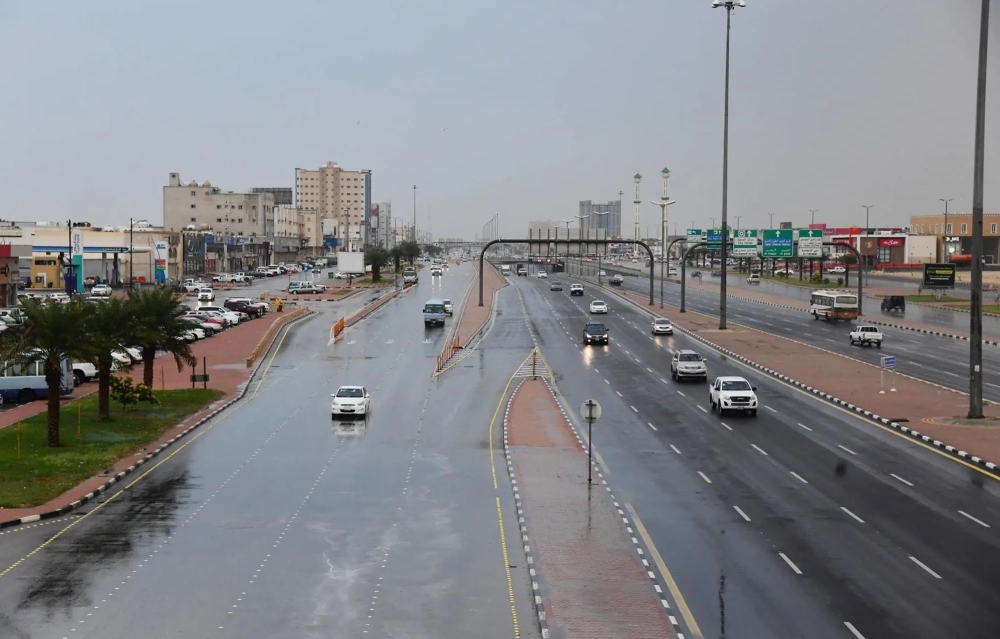
Citizens and residents of Saudi Arabia are eagerly awaiting the weather forecast for the first day of Eid , with the National Center for Meteorology predicting unsettled conditions combining cold and rainy weather. The first day of Eid al-Fitr will see cold weather during the night and early morning hours in the northern regions and the southwestern highlands, while the rest of the country will experience milder temperatures, giving this year's Eid celebrations a belated winter feel.
The history of weather fluctuations and their impact on the weather of the first days of Eid
Historically, holidays that fall during transitional seasons like spring coincide with significant weather fluctuations in the Arabian Peninsula. These periods are characterized by the interaction of cold and warm air masses, resulting in atmospheric instability. Consequently, the weather on the first day of Eid often features varying conditions, including rainfall and lower temperatures in some areas. This is a common weather pattern in the Kingdom during these transitional periods, and climate records show similar instances that have required families to adjust their festive plans accordingly.
Rainfall and wind activity map
The National Center for Meteorology's weather report details the expected rainfall, ranging from moderate to heavy. This weather system will affect wide areas including Riyadh, the Eastern Province, Qassim, Makkah, Madinah, Hail, and Najran. Rainfall is also expected in the highlands of Asir, Jazan, and Al-Baha, as well as parts of the Northern Borders, Al-Jawf, and Tabuk regions.
In addition, the center warned of surface wind activity that stirs up dust and sand during daylight hours, which may lead to reduced horizontal visibility in the regions of Tabuk, Al-Jawf, the Northern Borders, Hail, Al-Qassim, and the eastern parts of the Makkah and Madinah regions, extending to the western parts of the Riyadh region.
Impact of weather conditions on events and transportation
Following weather forecasts is of paramount importance, especially during holiday seasons that witness extensive travel between cities and provinces. The forecast of heavy rain and fog in the Eastern Province, parts of the Northern Borders and Al-Jawf regions, as well as the highlands of Asir, Al-Baha, and Makkah, necessitates that travelers on highways exercise extreme caution. Locally, these conditions directly impact the organization of outdoor events, with many families and organizers opting to move celebrations indoors to ensure everyone's safety. On the environmental and agricultural front, these rains are a blessing, contributing to the irrigation of farms and enhancing the vegetation that characterizes the Kingdom's spring season, which will positively impact domestic tourism in the post-Eid period.
Safety guidelines and the role of the National Center for Meteorology
Given these climatic conditions, the vital role of the National Center of Meteorology in the Kingdom of Saudi Arabia becomes evident through its provision of continuous and accurate updates around the clock. Relevant authorities, such as the General Directorate of Civil Defense, coordinate with the Meteorology Center to issue proactive alerts and warnings to citizens and residents. It is always advisable to stay away from floodplains and valleys during heavy rainfall and to avoid speeding in areas with poor visibility. Adhering to these guidelines will ensure a safe and happy Eid holiday for everyone and minimize potential risks resulting from severe weather fluctuations.
The Eid atmosphere
is rainy,
cold
, foggy
, and windy.
Experience it in a "safe and stable homeland".For details, see pic.twitter.com/fufF98HcIW
— National Center of Meteorology (NCM) (@NCMKSA) March 19, 2026