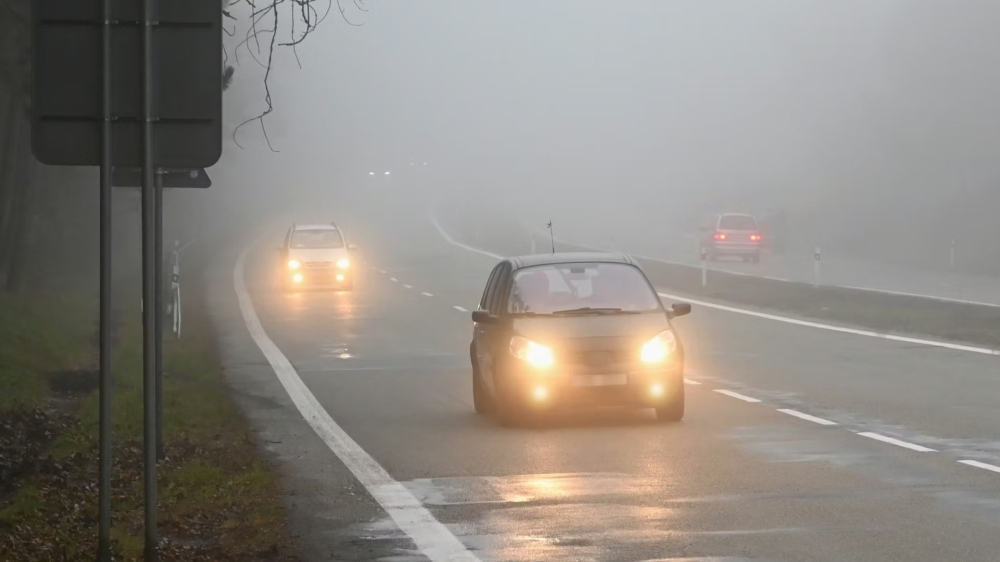
The National Center for Meteorology issued a recent weather report, warning of light fog in scattered areas of five administrative regions in Saudi Arabia during the early morning hours of Tuesday. The center indicated that this weather condition would persist until 8:00 AM, urging motorists to exercise caution.
Weather details and affected areas
According to the report, the effects of this weather condition include a reduction in horizontal visibility to between 3 and 5 kilometers. The center identified the areas and cities covered by the alert as follows:
- The Eastern Province includes Jubail, Khobar, Khafji, Dammam, Qatif, and Ras Tanura. These coastal areas are most prone to fog formation due to high humidity levels coming from the Arabian Gulf.
- Jazan region: It includes mountainous and border governorates such as Al-Harath, Al-Dayer, Al-Raith, Al-Ardah, Al-Aydabi, Fifa, and Haroub.
- Asir region: The highlands in Al Namas, Balqarn, Tanomah, Abha, and Khamis Mushait are affected.
- Al-Jawf region: includes Al-Qurayyat and Tabarjal.
- Northern borders: The situation is concentrated in the province of Tarif.
climatic and geographical context
This weather phenomenon occurs within the context of typical climatic shifts during transitional periods and winter in the Kingdom. In the Eastern Province , the Arabian Gulf plays a key role in saturating the air with humidity, which condenses as temperatures drop at night and dawn, forming fog. In southern regions such as Asir and Jazan , the mountainous terrain (the Sarawat Mountains) traps low clouds and fog, significantly reducing visibility on winding roads and over obstacles.
In northern regions such as Al-Jawf and the Northern Borders , fog formation is often associated with cold air masses and relative stability in surface winds, allowing water vapor to condense near the Earth's surface.
The importance of warnings and traffic safety guidelines
This warning is particularly important during the morning rush hour, when employees and students are heading to work and school. Reduced horizontal visibility directly impacts traffic flow and the safety of highways and main roads.
In this regard, traffic safety authorities always recommend following safe driving guidelines during fog, which include:
- Use fog lights or low beam lights instead of high beam lights, which may scatter vision due to light reflection.
- Reduce speed in accordance with the available field of vision.
- Leave a sufficient safety distance between vehicles to avoid sudden accidents.
- Do not use hazard lights (flashers) except when completely stopped, to avoid confusing other drivers.
The National Center of Meteorology continues its vital role in monitoring and tracking weather changes using the latest technologies and satellites, to ensure that accurate information is delivered to citizens and residents, which contributes to protecting lives and property and enhancing the quality of life.