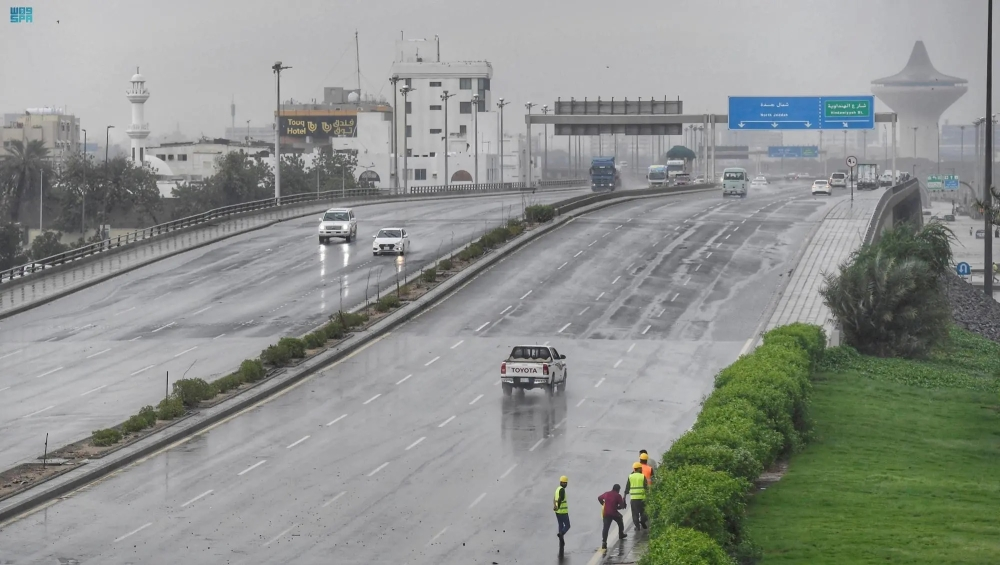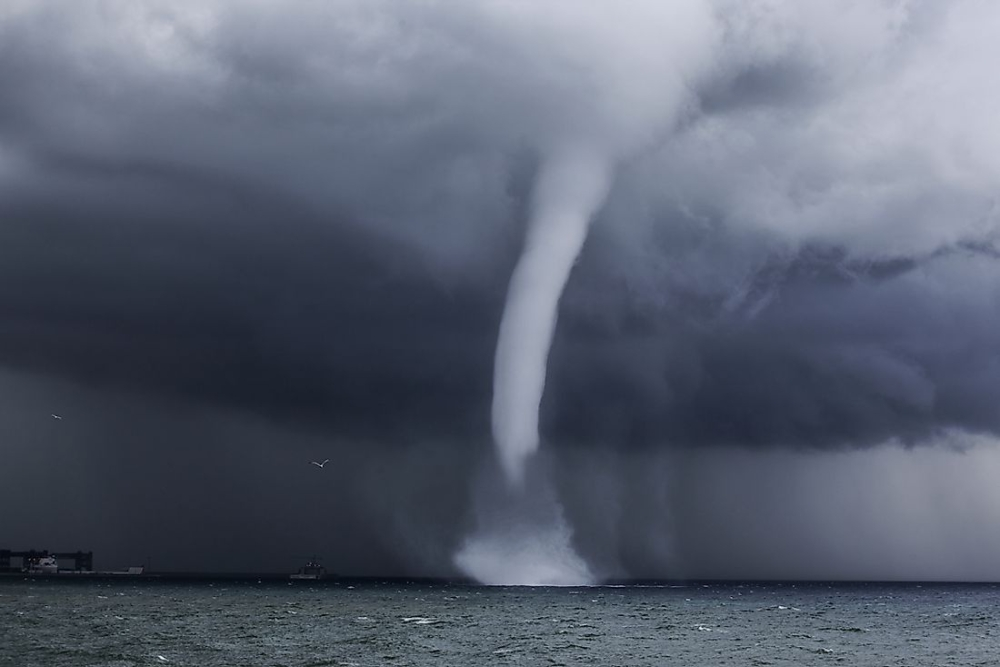
The National Center of Meteorology issued urgent and important alerts to citizens and residents, warning of the potential formation of waterspouts and tornadoes in the Red Sea and some areas affected by the current rainy weather. The center's official spokesperson explained via its "X" account that these exceptional weather phenomena typically form during heavy thunderstorms over the seas, emphasizing the need to stay away from these areas and to report them to the relevant authorities immediately upon sighting.
Climate change and the history of weather phenomena in Saudi Arabia
Although Saudi Arabia is known for its arid desert climate across most of the country, historical records indicate that its western and eastern coasts have experienced occasional severe weather fluctuations. Historically, the Red Sea coast, particularly in areas like Jeddah and Jazan, has witnessed similar phenomena during seasonal transitions, where warm, humid air masses meet cold air masses, creating ideal conditions for the formation of violent thunderstorms.
In recent years, meteorologists have observed a significant increase in the frequency of these extreme events. This shift is largely attributed to global climate change, which has impacted weather patterns in the Middle East, making rare phenomena more likely to occur. This explains the precise, proactive warnings issued by relevant authorities today to protect lives and property.
The potential consequences of waterspouts and tornadoes
The appearance of waterspouts and tornadoes is not merely a frightening visual spectacle; it has significant repercussions on several levels. Locally, these phenomena pose a direct threat to beachgoers and fishermen, as well as potentially damaging coastal infrastructure if they move inland. They also disrupt traffic and daily life in affected cities.
Regionally and internationally, the Red Sea is one of the most vital waterways for global trade. Therefore, any severe weather disturbances in this passage could temporarily disrupt maritime traffic, requiring commercial vessels to take alternative routes or delay their voyages to ensure safety. This underscores the importance of the early warnings issued by the Kingdom in maintaining regional maritime security.
Red alert: Heavy rains sweep through the eastern region
In conjunction with the marine warnings, the National Center for Meteorology issued a "red alert" for the Eastern Province, forecasting moderate to heavy rainfall. According to reports, this weather system will begin at 11:00 PM on Tuesday and continue until 11:00 AM on Wednesday, affecting the cities of Jubail, Khobar, Dammam, Qatif, and Ras Tanura.
The effects of this rainy weather system will also extend to Hafr Al-Batin, Al-Udayd, Dhabalutan, Al-Ahsa, Abqaiq, Al-Khafji, Al-Nu'ayriyah, and Qaryat Al-Ulya, until 9:00 AM on Wednesday. These rains will be accompanied by severe weather, including high winds, reduced visibility, hail, flash floods in valleys, high waves, and frequent thunderstorms.
Civil Defense response and public safety guidelines
In light of these weather developments, the General Directorate of Civil Defense called on all citizens and residents to exercise extreme caution. It stressed the importance of strictly adhering to safety guidelines, especially during periods of rainfall and flash floods. Among the most important of these guidelines are staying in safe places and completely avoiding water accumulations, valleys, and dams, which could pose a serious threat to life.
The relevant authorities also urged the public to obtain information from official sources and to follow continuous weather updates through the National Center of Meteorology's approved channels. Community solidarity and awareness of the risks posed by these weather fluctuations are the first line of defense in ensuring public safety and overcoming this exceptional weather event with minimal damage.