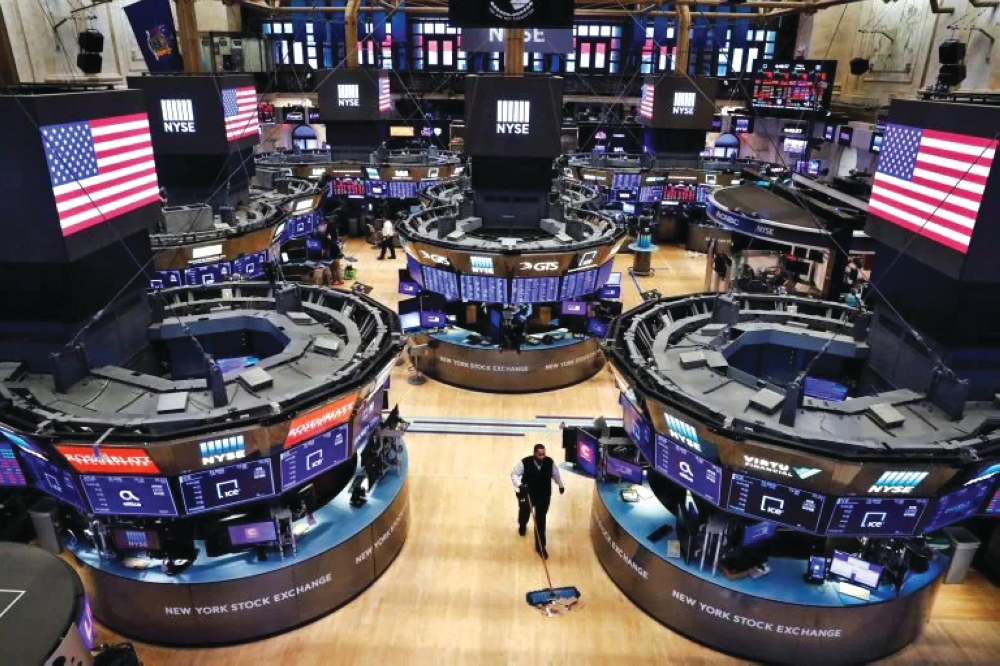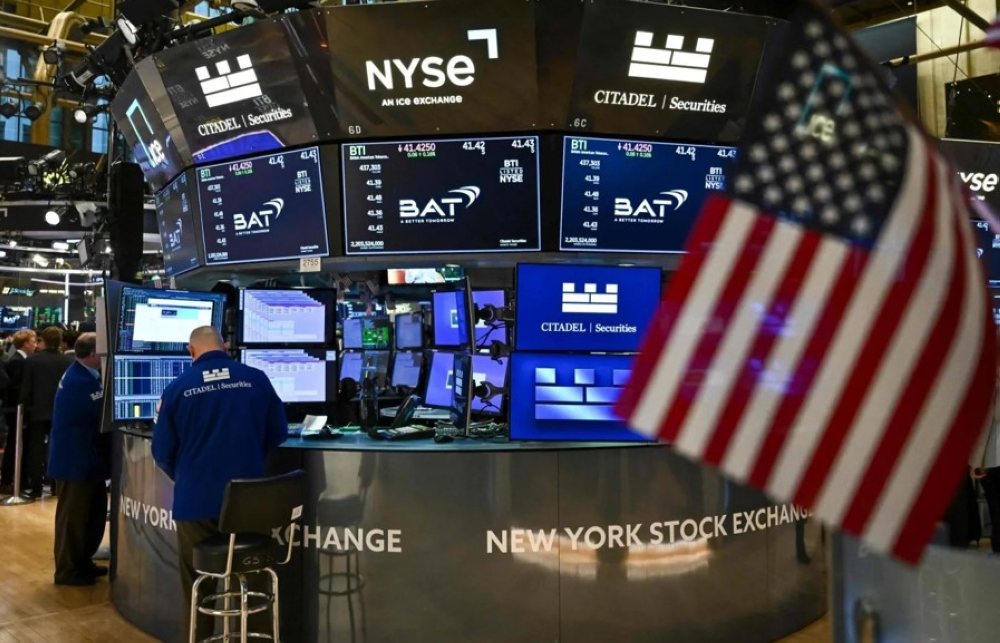
شهدت بورصة وول ستريت في نيويورك تبايناً ملحوظاً في أداء مؤشراتها الرئيسية خلال تعاملات ختام الأسبوع، حيث عكست حركة الأسهم الأمريكية حالة من الترقب والحذر بين المستثمرين. وسجلت الأسواق تحركات طفيفة تأرجحت بين الارتفاع والاستقرار، متأثرة بشكل مباشر بضعف السيولة النقدية وانخفاض أحجام التداول المعتادة في مثل هذا الوقت من العام.
أداء المؤشرات الرئيسية وقطاع التكنولوجيا
في التفاصيل، نجح مؤشر "ستاندرد آند بورز 500"، الذي يعد المقياس الأوسع نطاقاً لأداء السوق الأمريكي، في تحقيق ارتفاع طفيف بنسبة بلغت 0.1%، ليحافظ بذلك على مكاسبه الأسبوعية المحدودة. وفي المقابل، خيم الاستقرار على مؤشر "داو جونز" الصناعي الذي لم يشهد تغيراً يذكر، مما يعكس حالة التوازن بين عمليات البيع والشراء في الأسهم القيادية.
على الجانب الآخر، كان قطاع التكنولوجيا هو الرابح الأكبر، حيث ارتفع مؤشر "ناسداك" المجمع بنسبة 0.2%. وجاء هذا الصعود مدعوماً بشكل رئيسي بالأداء القوي لأسهم شركات التكنولوجيا العملاقة، وفي مقدمتها شركة "إنفيديا" لصناعة الرقائق الإلكترونية، التي تواصل لعب دور المحرك الأساسي لمكاسب قطاع التكنولوجيا والذكاء الاصطناعي في الأسواق العالمية.
حركة السلع والملاذات الآمنة
وبعيداً عن سوق الأسهم، شهدت أسواق السلع تحركات متباينة أيضاً. فقد انخفضت أسعار النفط الخام، متأثرة بمعادلات العرض والطلب العالمية. وفي المقابل، واصلت المعادن النفيسة تألقها، حيث سجلت أسعار الذهب والفضة ارتفاعاً ملحوظاً. ويُعزى ارتفاع الذهب عادة في مثل هذه الظروف إلى لجوء المستثمرين إليه كملاذ آمن للتحوط ضد تقلبات السوق أو انخفاض قيمة العملات، مما يعزز من مكانته كأصل استثماري مستقر في أوقات عدم اليقين.
السياق الزمني وتأثير العطلات
يأتي هذا الأداء في سياق أسبوع تداول قصير واستثنائي بسبب عطلة عيد الميلاد، وهو ما يفسر "خفة التداول" الملحوظة. تاريخياً، تتسم الفترة الواقعة بين عيد الميلاد ورأس السنة الميلادية بضعف أحجام التداول بسبب إغلاق معظم الأسواق الأوروبية والعديد من الأسواق الآسيوية، وغياب العديد من المؤسسات المالية الكبرى عن السوق.
وعلى الرغم من الهدوء النسبي، فإن هذه الفترة غالباً ما يراقبها المحللون عن كثب لرصد ما يُعرف بظاهرة "رالي سانتا كلوز" (Santa Claus Rally)، وهي ظاهرة موسمية تميل فيها الأسهم للارتفاع في آخر خمسة أيام تداول من العام وأول يومين من العام الجديد. ويعد تماسك الأسواق الأمريكية في ظل غياب الأسواق العالمية مؤشراً مهماً على المعنويات العامة للمستثمرين وتفاؤلهم الحذر تجاه العام المالي الجديد، حيث تسعى المحافظ الاستثمارية لإعادة ترتيب مراكزها قبل بداية العام.