Major US stock indexes on Wall Street closed sharply lower at the end of trading on Thursday, in a session that saw widespread selling reflecting growing concern among investors about the direction of the global economy and future monetary policies.
Detailed performance of key indicators
The session witnessed a collective decline in the three most important indices in the US market, and the results at the close were as follows:
- The Dow Jones Industrial Average (Dow Jones) closed down 1.20%, at 48,908.72 points.
- The Standard & Poor's 500 (S&P 500) index fell by 1.23%, closing at 6798.40 points. It is an index that includes the 500 largest companies in the United States and is considered the broadest measure of market performance.
- The Nasdaq Composite was the hardest hit, falling 1.59% to 22,540.59 points, impacted by the negative performance of major technology stocks that carry significant weight in the index.
General context and economic background
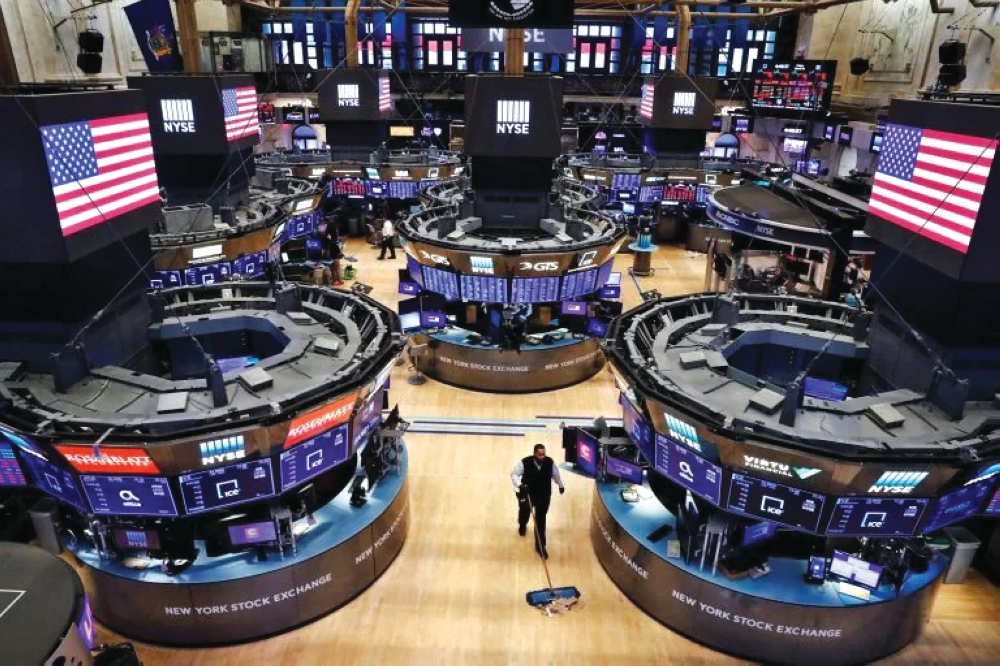
This decline comes amid a period of volatility in global financial markets, driven by a range of economic and geopolitical factors. Such drops are often a reaction to new economic data, changes in the Federal Reserve's (the US central bank) monetary policy outlook, or corporate earnings reports that fall short of expectations. Wall Street, based in New York City, is considered the most important indicator of the health of the US economy and a key barometer for global financial markets. The Dow Jones Industrial Average is one of the oldest and most widely followed indices, while the S&P 500 provides a broader view of the market, and the Nasdaq Composite focuses heavily on the technology and growth sectors.
Importance and expected effects
Wall Street's performance has repercussions far beyond the United States. When US stocks decline, they are often followed by a drop in European and Asian markets the next day, as global investors become more risk-averse. This also affects exchange rates, as investors may flock to the US dollar as a safe haven, driving its value up against other currencies. Domestically, this decline directly impacts the savings of millions of Americans tied up in retirement and investment plans, potentially affecting consumer confidence and spending. This sharp decline reflects a climate of uncertainty, and investors are now closely watching upcoming economic data and statements from central bank officials for clearer indications of the future direction of the markets and the economy.