A quantum leap in advanced medical diagnosis
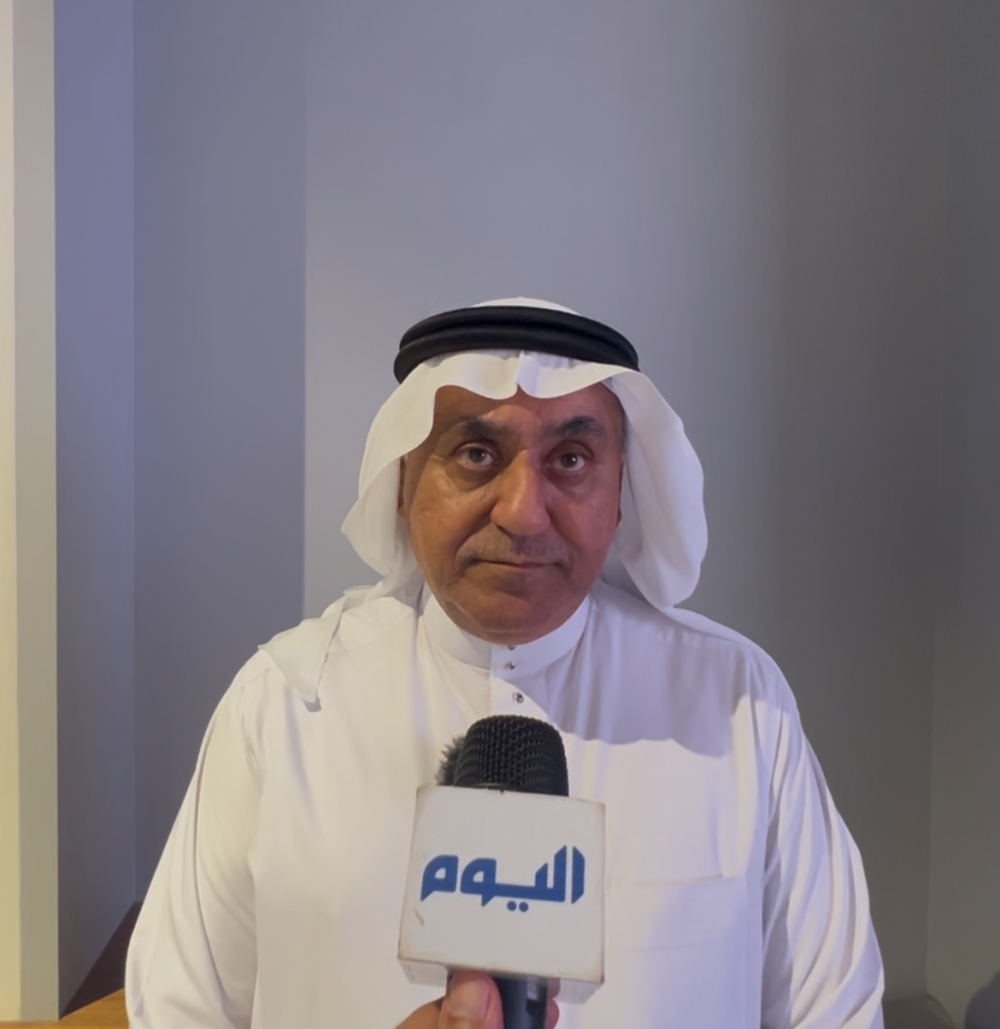
Dr. Sattam Linjawi, CEO of Wadi Jeddah, the investment arm of King Abdulaziz University, announced a significant scientific and medical achievement: the company's acquisition and operation of a cyclotron specializing in the production of highly complex radiopharmaceuticals. In an exclusive statement to Al-Youm newspaper, Linjawi confirmed that this project is part of the company's strategy to translate scientific research outputs into economically viable products that support the national economy and contribute to achieving the goals of Saudi Vision 2030.
This accelerator, operated by Jeddah Valley Molecular Imaging, is the first of its kind in the Western Region, producing short-lived radioactive isotopes used in advanced medical imaging technologies such as positron emission tomography (PET-CT), which plays a vital role in the accurate diagnosis and stage determination of cancerous tumors, as well as the diagnosis of other complex diseases such as Alzheimer’s, epilepsy, and heart disease.
General context and strategic importance
Wadi Jeddah Company was established by royal decree in 1430 AH (2010 CE) with the aim of building an integrated knowledge-based economy system that bridges the gap between academia and industry. Its primary mission is to transfer technology and commercialize research and innovations from King Abdulaziz University, transforming them into viable startups and commercially viable projects with a sustainable impact.
The nuclear accelerator project comes within the framework of national efforts to localize vital industries and reduce reliance on imports, particularly in the healthcare sector. Previously, securing medical radioactive materials depended on imports, which posed a significant logistical challenge due to their short half-life, impacting their cost and availability. Now, thanks to this project, the result of a strategic partnership with American and Italian companies for technology transfer and localization, the Kingdom is able to achieve self-sufficiency in this vital field, with Saudi nationals comprising over 95% of the workforce.
Expected local and regional impact
Locally, the project contributes to improving the quality of healthcare services provided to citizens and residents by offering accurate and rapid diagnosis of serious diseases, thus enhancing the chances of early treatment and recovery. It also opens new horizons for research and development in the fields of nuclear medicine and radiopharmacy within the Kingdom.
Regionally, this achievement positions Saudi Arabia among the leading countries in advanced medical diagnostic technologies and paves the way for it to become a regional hub for the production and export of these vital materials to neighboring countries. The company's production has expanded from a single radioactive material to four specialized materials, reflecting rapid growth and the ability to meet increasing market demand.
Lenjawi pointed out that “Jeddah Valley” does not just embrace ideas, but also provides a comprehensive support system for startups that includes guidance, legal advice, logistical and administrative services, in addition to financial support and linking projects with investors and strategic partners to ensure their growth and sustainability.