A recent scientific study has revealed an unexpected link between natural disasters and historical epidemics. The findings indicate that volcanic eruptions in the mid-14th century were the initial spark that paved the way for the spread of the Black Death in Europe. The study explained that the climatic changes resulting from this volcanic activity caused widespread famine, forcing Europeans to import grain from plague-stricken regions. This allowed the plague to spread via merchant ships, killing millions.
Volcanic winter and climate change in the Middle Ages
According to a study published in the journal *Communications Earth & Environment*, the eruption of one or more volcanoes in 1345 led to a sharp drop in temperatures and a blockage of sunlight, a phenomenon known as a "volcanic winter." Researchers from the Universities of Cambridge and Leipzig relied on dendrochronology, analyzing tree growth rings in the Spanish Pyrenees Mountains to find compelling evidence of stunted growth and reduced logging during 1345 and 1346, indicating an unusually severe cold spell that negatively impacted agricultural crops.
From famine to pandemic: deadly trade routes
The failure of agricultural crops in Europe led to severe food shortages and famines across the continent. To address this shortage, major trading cities like Venice and Genoa relied on their extensive trade networks to import grain from the Black Sea region. Historians note that these ships carried not only wheat but also death hidden within the furs; rodents infested with fleas carrying the Yersinia pestis bacteria were concealed among the grain shipments.
The plague's journey: from Asia to the heart of Europe
The study traced the path of the plague, which is believed to have originated in 1338 in the foothills of the Tian Shan Mountains near Lake Issyk-Kul in present-day Kyrgyzstan. Traveling along the Silk Road and through trade caravans, the bacteria reached Black Sea ports. With the arrival of European ships laden with grain—and rats—at Italian ports in 1347, the disaster began. Once the rats died, hungry fleas moved to bite humans, causing the disease to spread with terrifying speed.
Huge demographic and social impacts
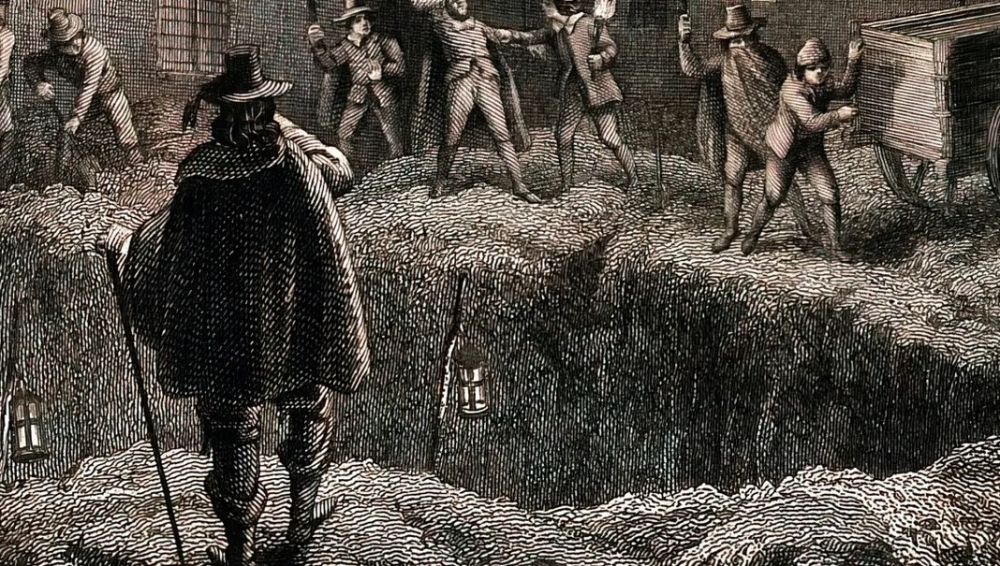
The consequences of this series of events were not merely numbers; they constituted a human catastrophe that altered the course of history. In just six years, the plague decimated approximately 25 million people, representing 30% to 60% of Europe's population at the time. This demographic collapse subsequently led to radical social and economic changes, including labor shortages that contributed to the decline of the feudal system and a rise in wages in the decades following the pandemic. This underscores how a climatic event in a remote region can reshape the human landscape of the world.