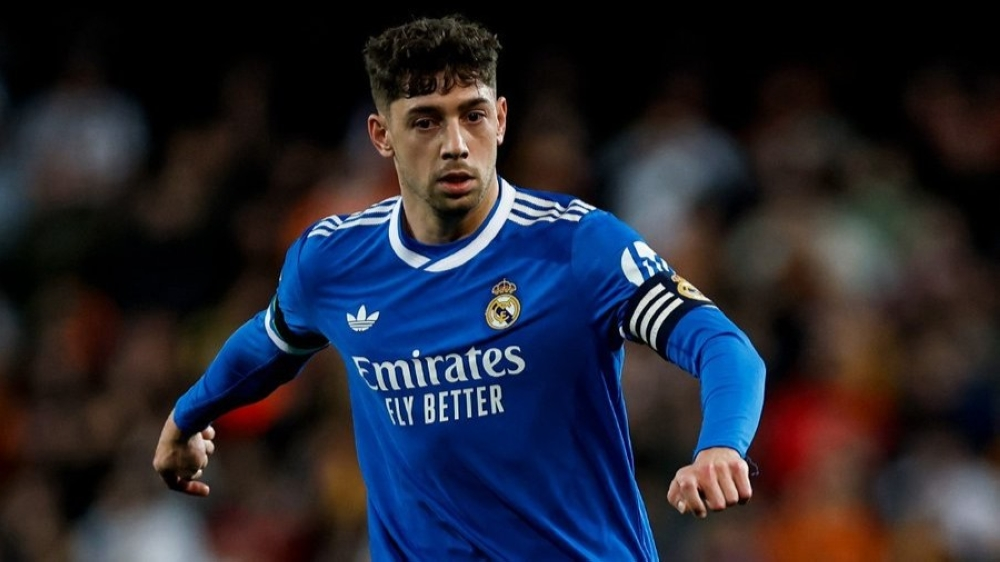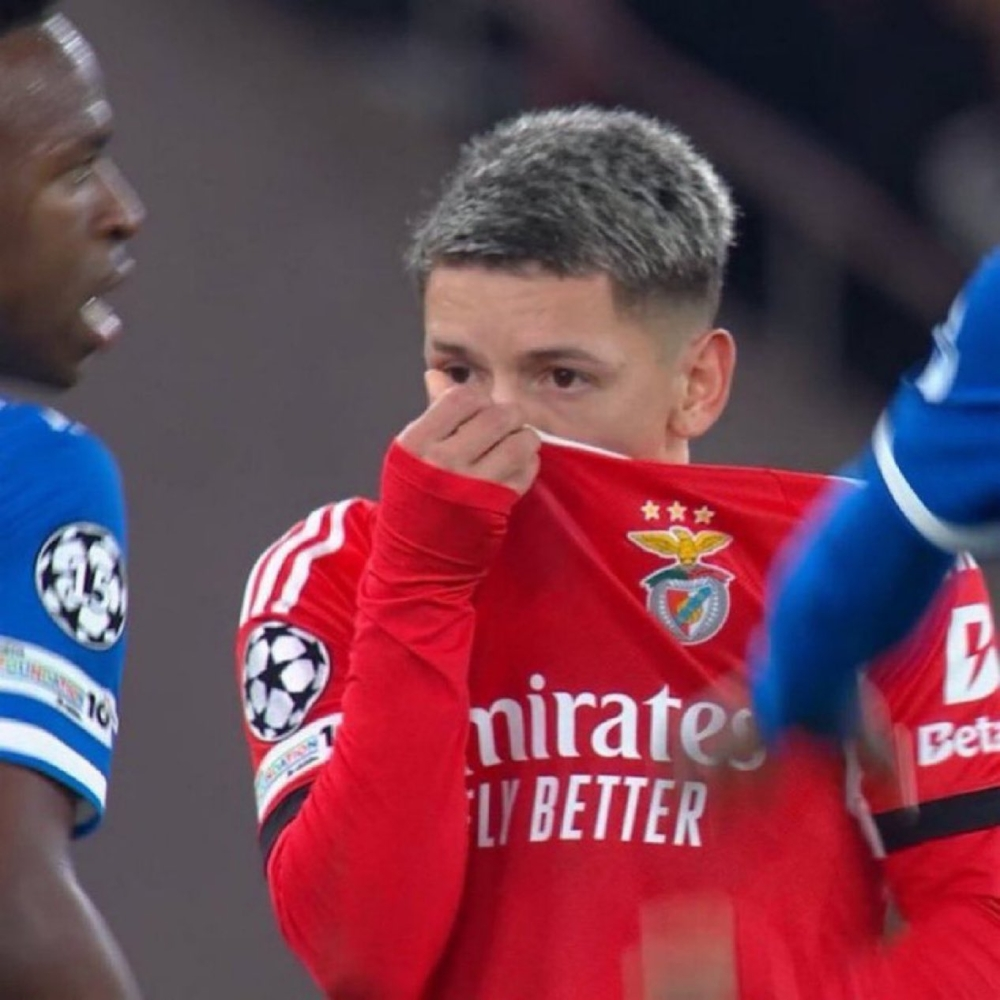
Racist abuse incidents are frequent in football stadiums, and Real Madrid's Brazilian star Vinicius Junior is one of the most prominent players to have been systematically targeted by this vicious attack. What happened in a match between Real Madrid and Benfica, and the intervention of a coach like José Mourinho, highlights a deeper and more complex issue that has become an integral part of the Brazilian player's career: his ongoing battle against racism in sports.
General context: A history of systematic targeting
The abuse directed at Vinicius was not an isolated incident, but rather part of a long series of distressing events that have occurred in various Spanish stadiums. Since his rise to stardom with Real Madrid, the player has become an easy target for racist chants from fans of some rival teams. Perhaps the most prominent and impactful of these incidents occurred at the Mestalla Stadium, home of Valencia, where the chants led to the match being halted and the player weeping on the pitch, in a scene that shocked the conscience of world football. This incident, and many others, shifted the focus from the player's technical skill to his just humanitarian cause.
The importance of the issue and its global impact
Vinicius Junior's case has transcended the boundaries of Spanish football to become a global issue. The player has transformed from a victim into a leader in the fight against racism. His powerful statements, his tears at press conferences, and his persistent demands for decisive action have placed football federations, particularly the Spanish Football Federation and FIFA, under immense pressure. This has led to unprecedented moves, such as FIFA's announcement of a special anti-racism committee chaired by Vinicius himself, reflecting the extent of his global influence.
Global support and interventions from prominent figures
Vinicius received widespread support from around the world. From his club, Real Madrid, and his coach, Carlo Ancelotti, to football legends and his teammates, and even global political figures, he was among the voices that strongly condemned racism on several occasions, emphasizing the need to protect players and provide them with a safe environment. While his direct intervention in a particular match might be debatable, his public stances represent a significant part of the moral support the player received. This global solidarity demonstrated that the fight is not just Vinicius's alone, but a battle for the entire football community against a scourge that threatens the values of the sport.