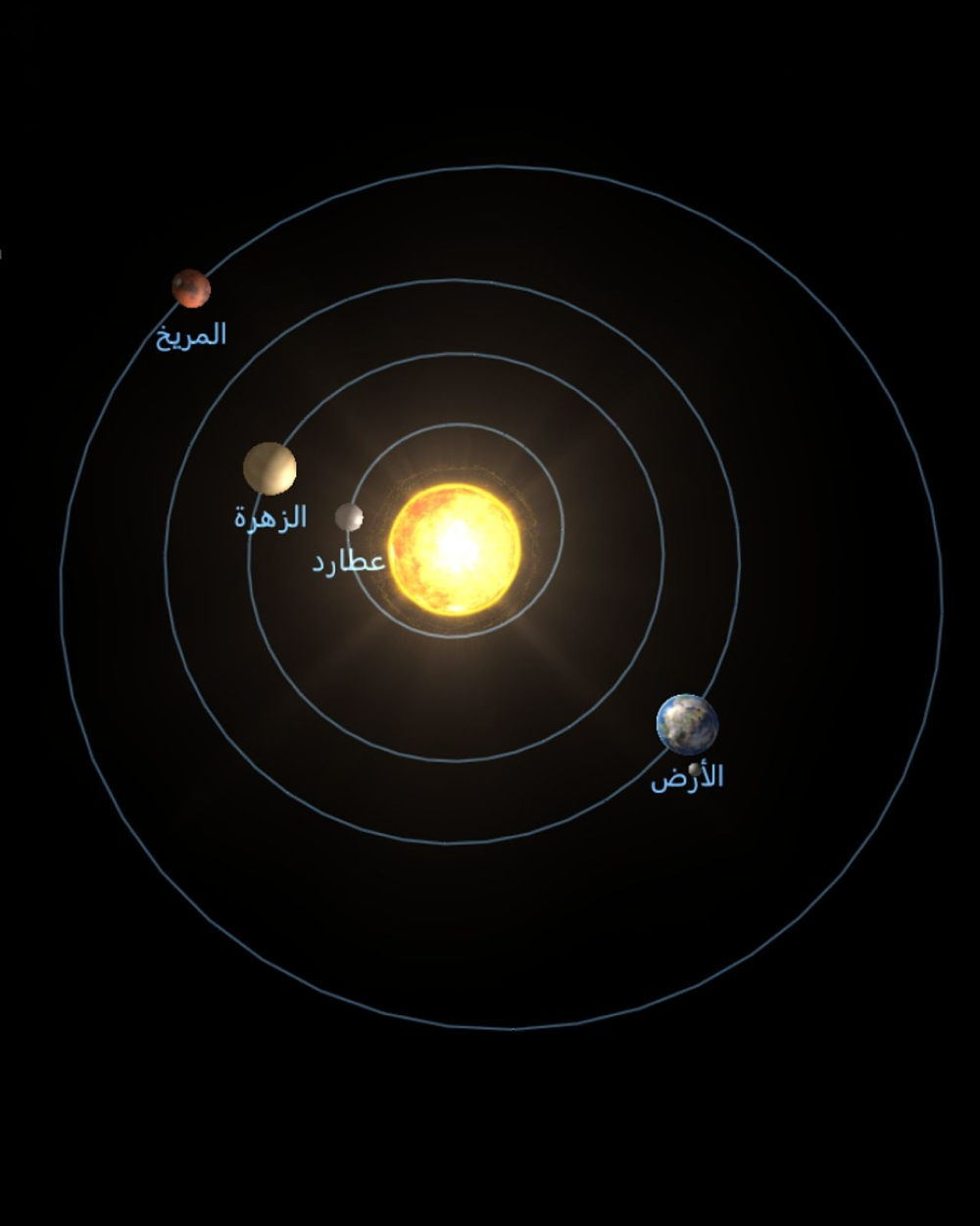
أعلنت الجمعية الفلكية بجدة، على لسان رئيسها المهندس ماجد أبوزاهرة، عن ظاهرة فلكية نادرة ستشهدها سماء الكرة الأرضية يوم الخميس الموافق 29 يناير 2026، تتمثل في اقتران كوكبي بين كوكبي الزهرة وعطارد. سيظهر الكوكبان في قبة السماء بفاصل زاوي ضئيل للغاية يبلغ حوالي 0.5 درجة فقط، وهي مسافة تعادل تقريبًا نصف عرض القمر البدر. ورغم أن هذا التقارب الظاهري يمثل حدثًا هندسيًا سماويًا لافتًا، إلا أنه سيكون من المستحيل رصده بالعين المجردة أو حتى باستخدام التلسكوبات التقليدية من على سطح الأرض.
السياق التاريخي والعلمي للاقترانات الكوكبية
تحدث ظاهرة الاقتران الكوكبي عندما يظهر جرمان سماويان أو أكثر قريبين من بعضهما البعض في السماء من منظورنا على الأرض. تاريخيًا، حظيت هذه الظواهر باهتمام كبير لدى الحضارات القديمة التي ربطتها بالأحداث الأرضية، لكن المفهوم العلمي الحديث يوضح أنها مجرد محاذاة بصرية على خط الرؤية، بينما تفصل بين الأجرام مسافات شاسعة في الفضاء. في حالة اقتران الزهرة وعطارد، يتحرك عطارد، الكوكب الأسرع والأقرب إلى الشمس، في مداره الداخلي بسرعة أكبر من كوكب الزهرة، مما يجعله يلحق به ظاهريًا في السماء ويعبر بالقرب منه.
لماذا يصعب رصد هذا الاقتران؟
يكمن السبب الرئيسي في استحالة رصد هذا الحدث في قربه الشديد من وهج الشمس. سيحدث الاقتران في وقت يكون فيه الكوكبان قريبين جدًا من قرص الشمس في السماء، مما يجعل ضوء الشمس الطاغي يحجبهما تمامًا. إن أي محاولة لتوجيه التلسكوب أو النظر مباشرة نحو تلك المنطقة من السماء تشكل خطرًا بالغًا على شبكية العين وقد تتسبب في تلف دائم للبصر، بالإضافة إلى إمكانية إتلاف المعدات البصرية الحساسة. لذلك، يُعد هذا الاقتران مثالًا حيًا على الظواهر الفلكية الهامة علميًا ولكنها غير متاحة للجمهور العام من هواة الفلك.
مرصد “سوهو”: نافذة البشرية لرؤية ما لا يُرى
على الرغم من استحالة الرصد الأرضي، يمكن متابعة هذا الحدث الفلكي الفريد عبر الفضاء، وذلك بفضل مرصد “سوهو” (SOHO)، وهو مرصد شمسي فضائي ناتج عن تعاون مشترك بين وكالة الفضاء الأمريكية “ناسا” ووكالة الفضاء الأوروبية “إيسا”. يحتوي المرصد على أداة متطورة تُعرف باسم “الكوروناغراف” (Coronagraph)، والتي تعمل على حجب قرص الشمس الساطع بشكل اصطناعي، تمامًا كما يحدث في الكسوف الشمسي الكلي. تتيح هذه التقنية للعلماء رؤية الهالة الشمسية المحيطة بالشمس، بالإضافة إلى أي أجرام سماوية، مثل الكواكب أو المذنبات، تمر في مجال رؤيتها. ستُظهر الصور الملتقطة من “سوهو” كوكبي الزهرة وعطارد كنقطتين لامعتين متجاورتين، مما يوفر للعلماء والمهتمين فرصة نادرة لمشاهدة هذا الاصطفاف السماوي بأمان.
الأهمية العلمية والتأثير المتوقع
تكمن الأهمية العلمية لمثل هذه الاقترانات في أنها توفر فرصة ثمينة لعلماء الفلك لدراسة الحركة المدارية الدقيقة للكواكب الداخلية (عطارد والزهرة) ومعايرة حساباتهم الفلكية. كما تساهم هذه الأرصاد في اختبار حساسية وقدرة الأجهزة الفضائية على رصد أجرام لامعة بالقرب من مصدر ضوئي هائل كالشمس. على المستوى الدولي، تؤكد هذه الظواهر على أهمية التعاون الدولي في مجال الفضاء، حيث إن مراصد مثل “سوهو” تتيح للبشرية جمعاء الوصول إلى بيانات ومشاهد كونية لم تكن ممكنة لولا هذه الجهود المشتركة. ويذكرنا هذا الحدث بأن الكون مليء بالعروض المذهلة، وكثير منها يحدث بعيدًا عن أعيننا المباشرة، ولا يمكن الكشف عنه إلا من خلال التكنولوجيا المتقدمة التي تمثل امتدادًا لحواسنا في الفضاء الشاسع.