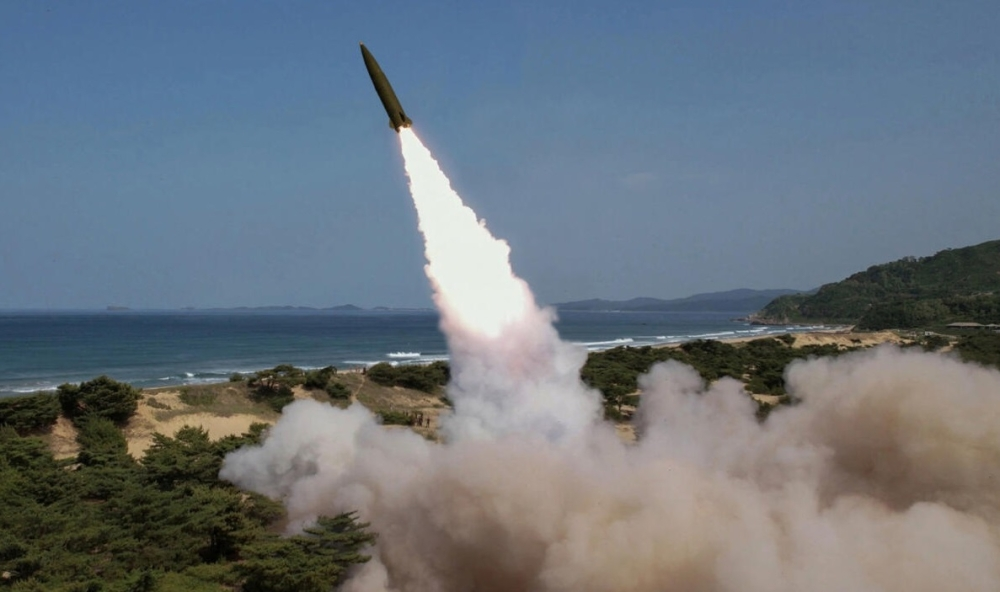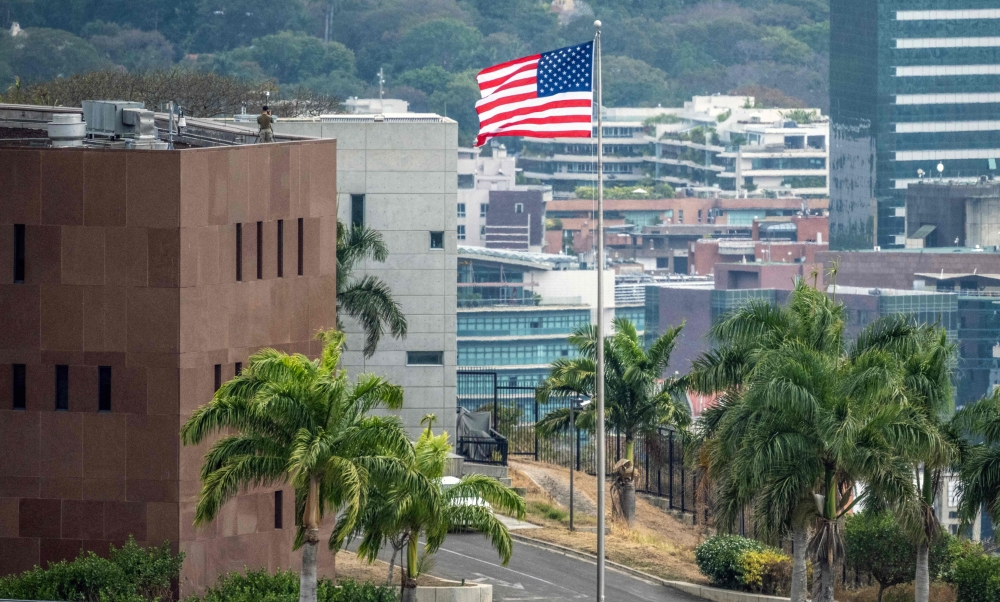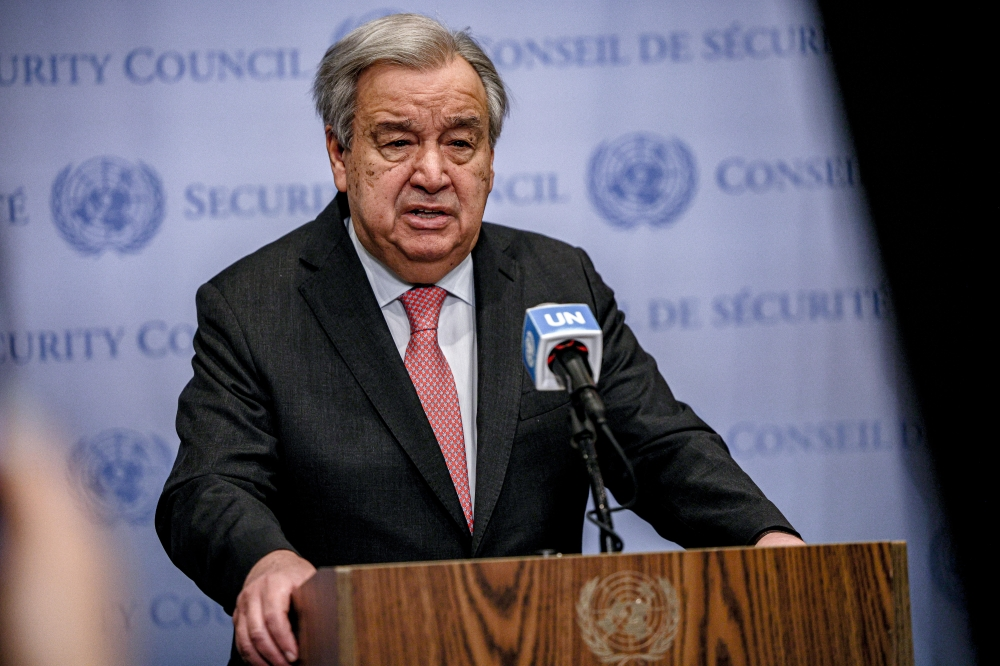
Amid escalating geopolitical tensions in Latin America, UN Secretary-General António Guterres expressed his deep concern about the potential for further instability and chaos in Venezuela. This direct warning from the UN comes in the wake of the announcement of a US military operation in the country, leaving the entire region facing open and worrying scenarios.
In a statement delivered on his behalf by Under-Secretary-General for Political and Peacebuilding Affairs Rosemary DiCarlo before the UN Security Council, Guterres called on all influential actors in Venezuela to engage immediately in an inclusive democratic dialogue. The UN message stressed that the only sustainable solution lies in enabling all sectors of Venezuelan society to freely determine their future, with full adherence to the principles of human rights, the rule of law, and respect for the sovereign will of the people.
Context of the crisis and its historical background
These rapid developments cannot be separated from the broader context that Venezuela has been experiencing for years. The South American nation is suffering from a complex political, economic, and social crisis, characterized by sharp polarization between the government and the opposition, a decline in basic services, and unprecedented inflation rates. This historically fragile situation has led to the exodus of millions of Venezuelans, leaving the country structurally vulnerable to any external interventions or sudden military upheavals.
International position and the United Nations Charter
In response to international reactions, the Secretary-General stressed the need to respect the rules of international law, noting that the maintenance of international peace and security depends fundamentally on member states' adherence to the UN Charter. For his part, the UN High Commissioner for Human Rights, Volker Türk, expressed his deep concern regarding the US intervention, calling on all parties to exercise maximum restraint.
The President of the UN General Assembly, Annalena Baerbock, also joined the chorus of voices warning against the situation, stating that "the UN Charter is not a matter of choice, but a binding guiding framework in times of both peace and crisis." She cited Article 2 of the Charter, which prohibits the threat or use of force against the territorial integrity or political independence of any state, and asserted that the current situation in Venezuela represents a true test of international legitimacy.
Potential regional and international repercussions
Observers believe this military escalation could have far-reaching consequences beyond Venezuela's borders. Regionally, the intensification of the conflict could trigger new waves of refugees, putting pressure on neighboring Latin American countries and threatening regional stability. Internationally, Venezuela possesses the world's largest proven oil reserves, and any prolonged disruption to its production or infrastructure could cast a shadow over already volatile global energy markets. Therefore, the international call for dialogue remains the only way to avert catastrophic scenarios that could devastate the Venezuelan people and destabilize the region.