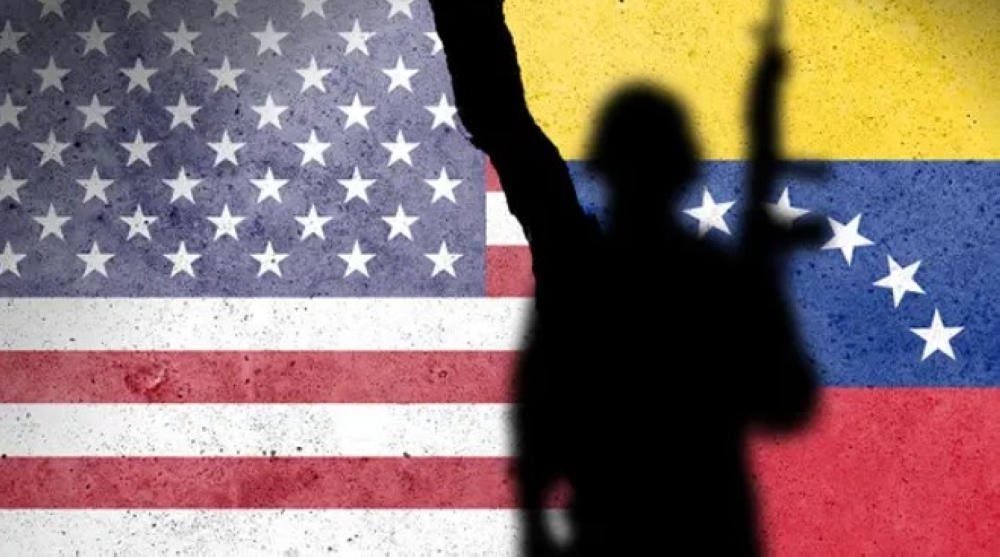
In a significant development representing a radical shift in the Latin American geopolitical landscape, a round of intensive diplomatic talks between Venezuelan officials and envoys from the United States has begun in the Venezuelan capital, Caracas. This rapid move comes just days after the landmark event of US forces arresting Nicolás Maduro and transferring him to Washington, opening the door to a reshaping of relations between the two countries after years of estrangement and tension.
Historical context and strategic interests
These talks are of exceptional importance given the complex history of relations between Washington and Caracas. Venezuela, which possesses the world's largest proven oil reserves, has long been a focal point of US foreign policy. Relations have deteriorated sharply in recent years, culminating in the severing of diplomatic ties and the imposition of crippling economic sanctions, particularly targeting the vital oil sector. The current moves are a reshuffling of the cards in the region, as the United States seeks to ensure stable energy supplies and secure its interests in the Americas' backyard.
Details of diplomatic talks
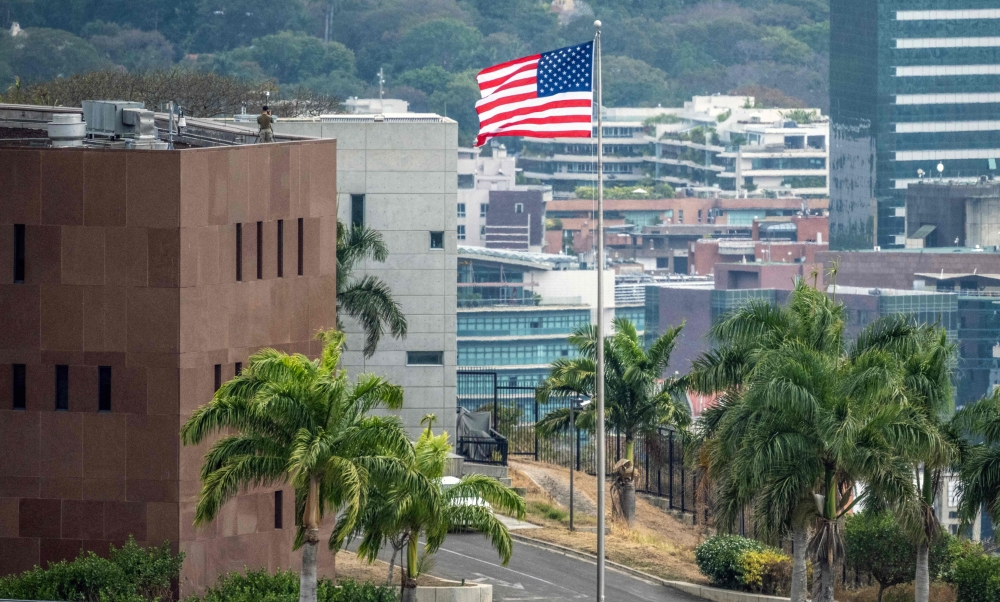
Venezuelan Foreign Minister Iván Gil announced that the government of interim President Delcy Rodríguez has decided to begin an “exploratory diplomatic process” aimed primarily at reopening diplomatic missions and embassies in both countries. Informed sources confirmed that a high-level U.S. delegation, including John McNamara, the top U.S. diplomat in Colombia, has already arrived in Caracas to conduct an initial assessment of the gradual resumption of diplomatic operations.
Despite Rodriguez's condemnation of what she called a "serious and illegal attack" in reference to Maduro's arrest, the current government has shown clear flexibility in dealing with the new reality, pledging to confront the challenges through diplomatic channels, which was welcomed by the American side, which halted a second wave of military operations.
Oil: The main driver of the scene
The diplomatic track cannot be separated from economic ambitions and the energy file; US President Donald Trump held intensive meetings in Washington with top executives of global oil companies. These meetings aimed to develop urgent plans to access Venezuela's vast crude oil reserves, particularly in the Orinoco oil belt.
While some CEOs, such as the head of ExxonMobil, expressed reservations about investing in the absence of comprehensive reforms to Venezuela’s crumbling oil infrastructure, Trump offered unprecedented security guarantees, asserting that companies would be fully protected and that financial transactions would be directly linked to Washington to ensure the flow of investments that could reach $100 billion.
Expected regional and international impacts
This rapprochement has far-reaching implications for global energy markets; the resumption of free flow of Venezuelan oil could contribute to stabilizing global prices. Trump also unveiled a plan to sell between 30 and 50 million barrels of Venezuelan crude, stipulating that the proceeds be used to purchase American-made products, thus bolstering the US economy and ensuring the rehabilitation of Venezuelan infrastructure with American technology.
In a related context, signs of cooperation have begun to appear in territorial waters, as the Venezuelan national oil company (PDVSA) confirmed the return of one of its oil tankers after its detention, describing it as the first successful coordination operation with Washington, indicating a gradual easing of restrictions on oil shipping in the Caribbean region.