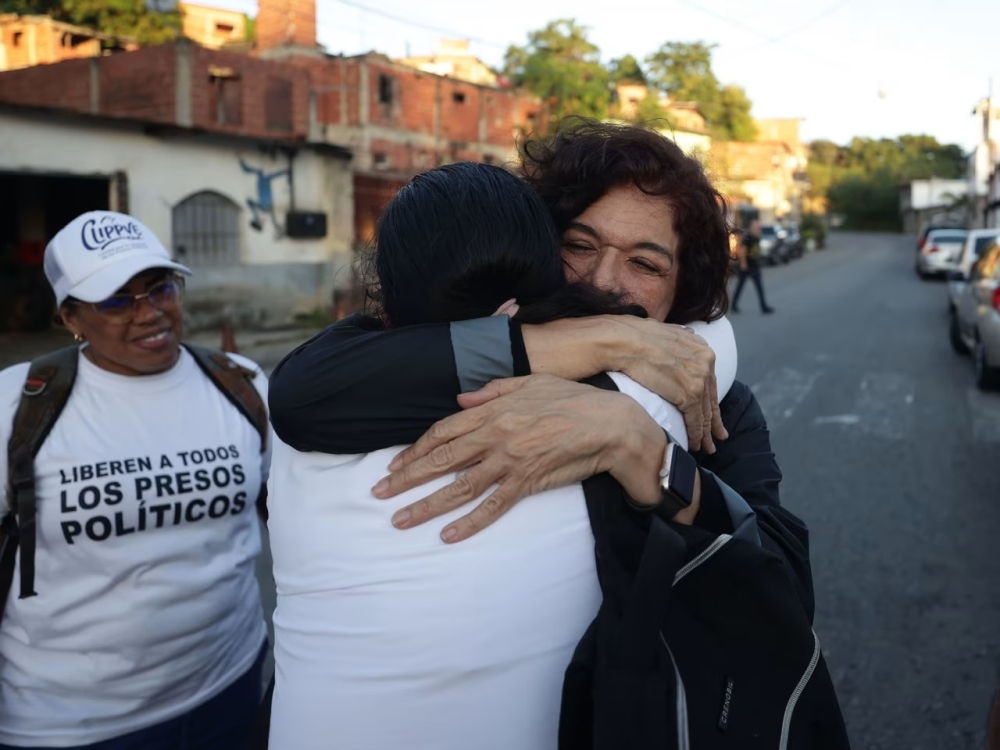
The Venezuelan government announced on Monday the release of 116 political prisoners, a move that comes in response to intense pressure from the administration of US President Donald Trump. These rapid developments follow the major political shift in the country after the arrest of former President Nicolás Maduro on January 3, presenting the interim government with difficult challenges in repairing international relations and calming public unrest.
Conflicting figures regarding those released
Despite the Venezuelan Ministry of Prisons officially announcing the release of 116 individuals it previously labeled "disruptors of the constitutional order," there are clear discrepancies in the data on the ground. Foro Penal (Criminal Forum), a leading NGO documenting political arrests in Venezuela, has questioned the accuracy of these figures. The organization reported that it had verified the release of only 24 prisoners so far, including two Italian nationals, noting that the total number released since last Thursday is only around 50, far below the official government figure.
Context of the crisis and the issue of detainees
The issue of political prisoners in Venezuela is one of the most complex and sensitive in the country's political landscape over the past decade. Independent human rights organizations estimate that Venezuelan prisons hold between 800 and 1,200 political prisoners, most of whom were arrested during the waves of protests against Nicolás Maduro's economic and political policies. For years, the opposition and the international community have demanded their release as a prerequisite for any national dialogue or easing of the crippling economic sanctions.
The current government, led by interim President Delcy Rodríguez, explained that the releases are part of a "comprehensive review" of legal cases, a process Maduro reportedly initiated voluntarily before his arrest and which the current administration is continuing under the banner of "justice, dialogue, and the preservation of peace." However, observers believe the primary driver behind this move is direct pressure from US President Donald Trump, who declared that Venezuela was now "in his hands" following the events that ousted Maduro.
The suffering of the local population and international reactions
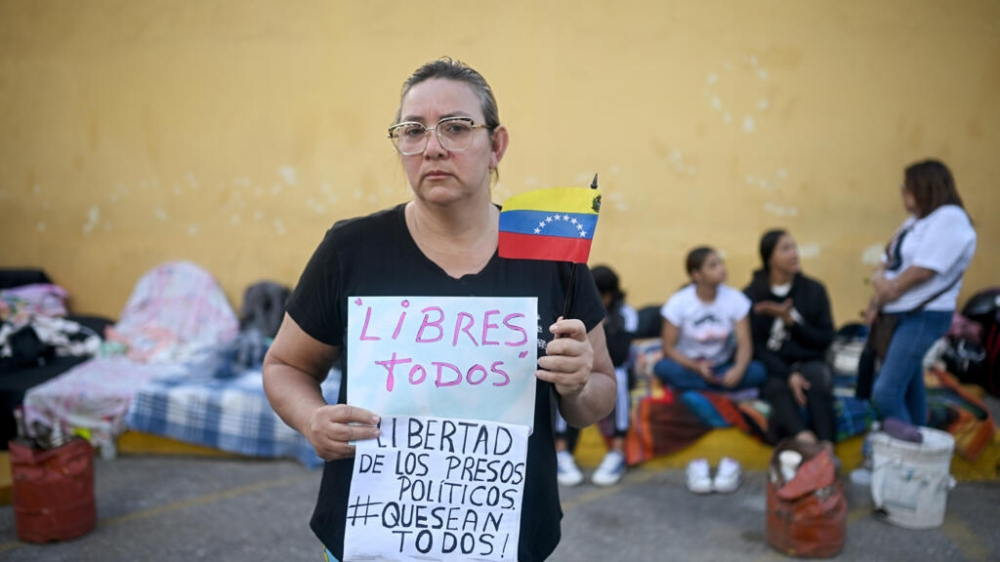
On the ground, a state of anticipation and anxiety still prevails among the families of the detainees. Around 40 relatives of the prisoners are continuing their open-ended sit-in in front of Rodeo 1 prison, located approximately 30 kilometers from the capital, Caracas. The families recount harrowing stories of the long wait, with some unable to meet their released sons because they were transported to the capital via secret exits, further exacerbating the confusion and uncertainty.
Internationally, these steps were met with cautious optimism. Italian Prime Minister Giorgia Meloni praised the release of her citizens, Alberto Trentini and Mario Borloo, describing cooperation with the new Venezuelan authorities as "constructive." This issue is expected to have a direct impact on the future of relations between Caracas and Washington, as the US administration monitors the interim government's adherence to its human rights commitments as a prerequisite for normalizing relations in the oil-rich region.