Venezuelans are living in a state of cautious anticipation, as hundreds of families await the release of more political prisoners by the authorities in Caracas. These steps come as a direct response to escalating US pressure, specifically as one of the key conditions set by US President Donald Trump, who recently announced the suspension of a second planned military attack on Venezuela as a goodwill gesture following Caracas's release of some detainees.
Government promises and a different reality
Despite official Venezuelan announcements promising the release of large numbers of detainees, the reality on the ground indicates a slowdown in implementation. According to human rights activists and relatives of detainees, only about 20 people detained for political reasons have been released, a small number compared to the announced or expected figures. The Venezuelan government is attempting to market this limited step as a self-initiated effort toward peaceful coexistence, while Washington maintains that it is a direct result of its decisive military and political intervention.
The political context and the trial of Maduro
These developments come at an unprecedented turning point in relations between the two countries, particularly following the US military operation on January 3rd that resulted in the arrest of Nicolás Maduro and his transfer to the United States. Maduro and his wife, Cilia Flores, are currently being held in a federal prison in Brooklyn, where they appeared before a US court and pleaded not guilty to drug trafficking charges. Their next court appearance is scheduled for March 17th. In an attempt to reassure his supporters, Maduro's son released a video message from his father, published by the ruling party, affirming his father's resilience.
Sit-ins and human suffering
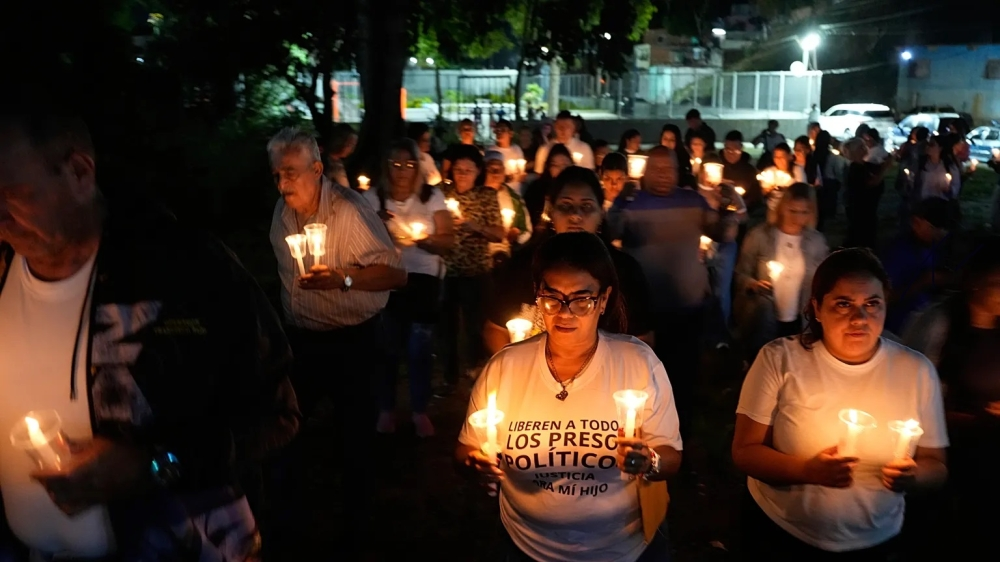
On the humanitarian front, the areas surrounding Venezuelan prisons, such as the intelligence service's El Helicoid prison and El Rodeo 1 prison, have become open-air protest sites. Relatives of detainees maintain a constant vigil there, holding candles and banners with their loved ones' names. They have organized a rotation system to ensure a continuous presence at the prison gates, hoping for news of their loved ones' release.
Human rights violations and growing concerns
Amid this atmosphere, human rights organizations condemned the death of police officer Edison José Torres Fernández, 52, in custody. He had been arrested on charges of treason for posting messages critical of the regime. This incident raises serious concerns about the safety of detainees, as human rights statistics indicate that approximately 18 political prisoners have died in detention centers since 2014. The opposition maintains that only 21 of the hundreds of detainees have been released so far, particularly after the widespread arrests of 2,400 people following protests against the results of the 2014 presidential election.