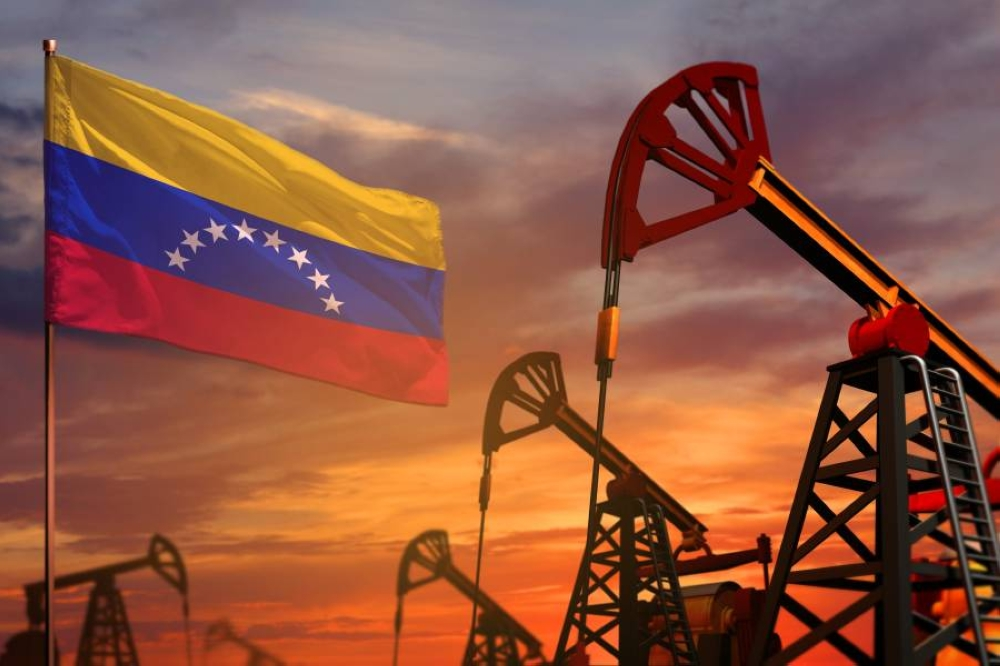
تتجه الأنظار مجدداً نحو قطاع النفط الفنزويلي، الذي كان يوماً ما محركاً رئيسياً للاقتصاد الوطني وأحد أكبر اللاعبين في سوق الطاقة العالمي. وفي ظل مساعي الحكومة الحالية لجذب استثمارات جديدة، تبرز توقعات متفائلة بزيادة تدفقات رأس المال الأجنبي، بهدف إنعاش الإنتاج الذي تدهور بشكل حاد على مدى العقدين الماضيين. وتأتي هذه الجهود في سياق سياسي واقتصادي معقد، يتأثر بشكل مباشر بالعقوبات الدولية والعلاقات المتوترة مع الولايات المتحدة.
خلفية تاريخية: من عملاق نفطي إلى أزمة إنتاج
تمتلك فنزويلا أكبر احتياطيات نفطية مؤكدة في العالم، مما جعلها قوة نفطية كبرى وعضواً مؤسساً في منظمة البلدان المصدرة للبترول (أوبك). في أواخر التسعينيات وأوائل الألفية الجديدة، كان إنتاجها يتجاوز 3 ملايين برميل يومياً. لكن سلسلة من العوامل أدت إلى تدهور كارثي في هذا القطاع الحيوي. بدأت المشاكل مع سياسات التأميم التي قلصت دور الشركات الأجنبية، وتفاقمت بسبب سوء الإدارة والفساد ونقص الاستثمار في صيانة وتحديث البنية التحتية لشركة النفط الحكومية (PDVSA). وبلغ التدهور ذروته مع فرض عقوبات أمريكية صارمة في عام 2019، والتي أدت إلى عزل فنزويلا عن الأسواق المالية العالمية وخفض إنتاجها إلى مستويات تاريخية متدنية، حيث وصل في بعض الفترات إلى أقل من 400 ألف برميل يومياً.
أهمية التطورات الأخيرة وتأثيرها المتوقع
شهدت الفترة الأخيرة بعض الانفراجات التي أحيت الآمال بإمكانية تعافي القطاع. ففي أواخر عام 2023، قامت الولايات المتحدة بتخفيف مؤقت لبعض العقوبات المفروضة على قطاعي النفط والغاز في فنزويلا، وذلك في إطار اتفاق سياسي أوسع مع المعارضة. هذا التخفيف، على الرغم من أنه كان محدوداً ومؤقتاً، سمح لبعض الشركات العالمية مثل شيفرون الأمريكية وريبسول الإسبانية وإيني الإيطالية بتوسيع عملياتها وزيادة الصادرات النفطية الفنزويلية. ونتيجة لذلك، شهد الإنتاج انتعاشاً طفيفاً، حيث اقترب من حاجز 900 ألف برميل يومياً، وهو ما يمثل تحسناً ملحوظاً ولكنه لا يزال بعيداً عن القدرات الإنتاجية الحقيقية للبلاد.
التحديات المستقبلية وفرص الاستثمار
على الرغم من هذه البوادر الإيجابية، لا يزال الطريق أمام تعافي قطاع النفط الفنزويلي طويلاً ومحفوفاً بالتحديات. إن إعادة بناء البنية التحتية المتهالكة تتطلب استثمارات تقدر بمليارات الدولارات، وهو أمر يصعب تحقيقه في ظل عدم اليقين السياسي واستمرار شبح العقوبات. تسعى الحكومة الفنزويلية إلى طمأنة المستثمرين من خلال طرح إصلاحات قانونية محتملة تمنح الشركات الخاصة شروطاً أفضل وحصة أكبر في المشاريع المشتركة. إن نجاح هذه الجهود لن يغير مستقبل فنزويلا الاقتصادي فحسب، بل سيكون له أيضاً تأثير على أسواق الطاقة العالمية، حيث يمكن لعودة الإنتاج الفنزويلي بكامل طاقته أن يساهم في استقرار الإمدادات العالمية. ومع ذلك، يبقى مستقبل القطاع مرتبطاً بشكل وثيق بمسار العملية السياسية في البلاد وعلاقتها بالقوى الدولية الكبرى.