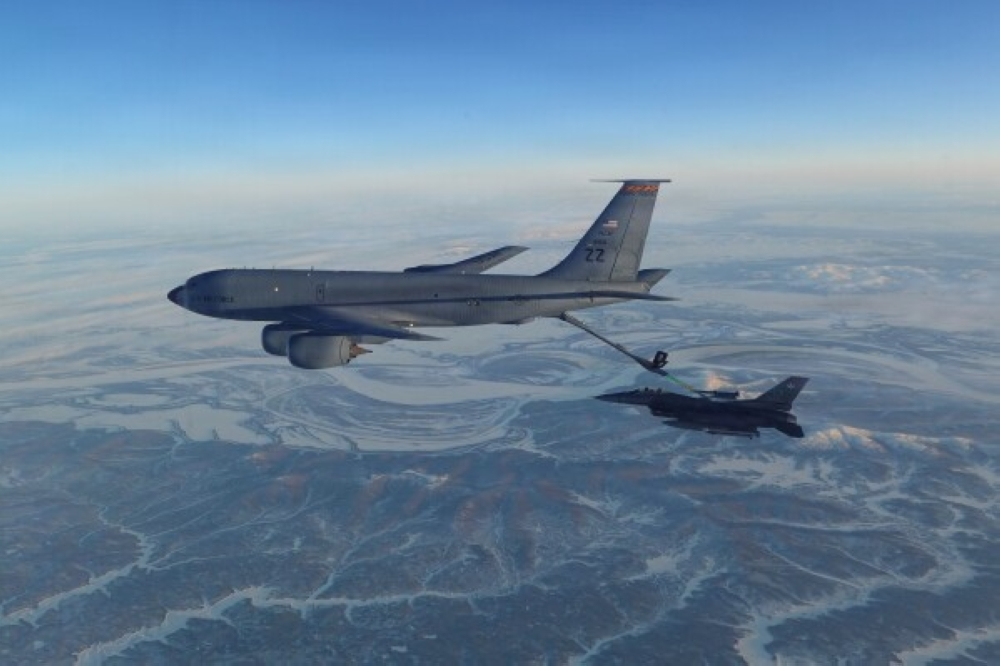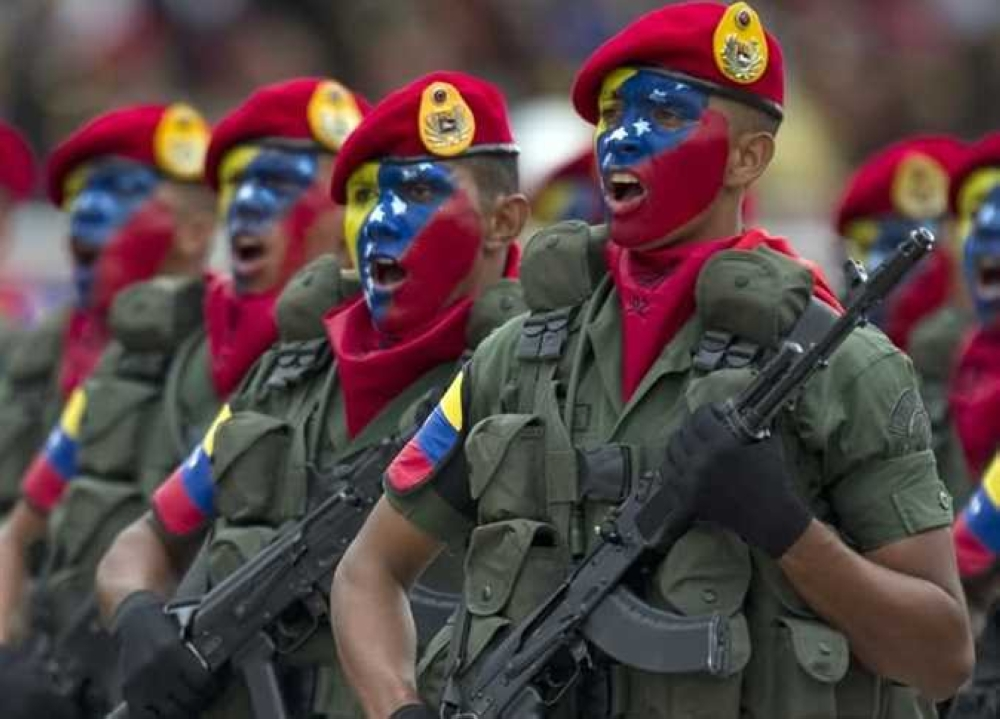
In a move reflecting escalating geopolitical tensions in Latin America, the Venezuelan armed forces officially announced the recruitment of 5,600 new soldiers on Saturday, in a clear act of defiance against recent US military deployments in the Caribbean. This mobilization comes as Caracas considers the extensive US naval buildup, which began last August and includes aircraft carriers, an "existential threat" to the country's sovereignty.
Military mobilization to confront "imperialism"
During a solemn military ceremony held at Fuerte Tiuna, the largest military complex in the capital, Caracas, Venezuelan President Nicolás Maduro called for unity and increased recruitment to counter what he described as "imperialist ambitions." The statements of military leaders reflected a high degree of combat readiness, with Colonel Gabriel Alejandro Rendon Vilches declaring, "We will under no circumstances allow an invasion by an imperialist power," emphasizing the army's strict defensive doctrine.
For his part, General Javier Jose Marcano Tabata noted that there is a growing interest among Venezuelan youth in joining the military, saying: "At a time when imperialism is threatening our homeland and our people, thousands of young people are joining the Bolivarian National Armed Forces," reflecting the regime's strategy of relying on popular mobilization as the first line of defense.
The geopolitical context and the struggle for resources
This military buildup cannot be separated from the complex historical context of US-Venezuelan relations. The relationship between the two countries has long been characterized by ideological hostility, particularly given Washington's ongoing pursuit of maximum pressure on the Maduro regime. Venezuela, which possesses the world's largest proven oil reserves, views US actions under the guise of "counter-narcotics" as merely a pretext for seizing the country's resources and forcibly changing its political system.
Analyses indicate that the increased US military presence in the Caribbean and off the coast of Latin America, justified by the Trump administration as a fight against "smuggling cartels," has created a state of security instability in the region, prompting Venezuela to strengthen its defense capabilities in anticipation of any possible military scenario.
The balance of power and confrontation in the Caribbean
According to official figures, the Venezuelan armed forces currently comprise approximately 200,000 regular soldiers, in addition to a similarly sized police force. The leadership is seeking to increase these numbers through volunteer programs and civilian militias. Meanwhile, the United States has intensified its naval operations, with US forces announcing the destruction of more than 20 suspected drug-trafficking vessels in the Caribbean Sea and the eastern Pacific Ocean since September. These operations have resulted in the deaths of 87 people, which Caracas considers part of an undeclared naval blockade.
This mutual escalation carries with it broad regional risks, as observers fear that any miscalculated friction in international waters could lead to a direct confrontation that could drag the entire region into open conflict, especially in light of the current international polarization.