In a series of rapid developments following the event that shook Latin America, both Havana and Caracas officially revealed the human cost of the swift US military operation that led to the capture of Venezuelan President Nicolás Maduro. Official data revealed the extent of Cuban security involvement in protecting the Venezuelan regime, with combined casualties exceeding 50 deaths among special forces and military personnel from both countries.
Details of Cuban losses: Special Guard
On Tuesday, Cuban authorities released a list of 32 members of their security and military forces who were killed while confronting US forces in Caracas. According to details provided by Havana, the dead were not merely advisors, but rather constituted Maduro's last line of defense. The casualties were distributed as follows:
- 21 dead were members of the Cuban Ministry of the Interior, including three senior officers, indicating the high level of training and equipment of these elements.
- Eleven of the dead belonged to the Cuban Revolutionary Armed Forces, most of them combat soldiers.
The Venezuelan army mourns its dead
Simultaneously with the Cuban announcement, and through its official social media accounts, the Venezuelan military mourned the loss of 23 soldiers during the operation. Venezuelan Defense Minister Vladimir Padrino had previously stated that President Maduro's bodyguards were targeted and liquidated "in cold blood," indicating that airstrikes and ground operations paved the way for the arrests.
Details of the American "lightning" operation
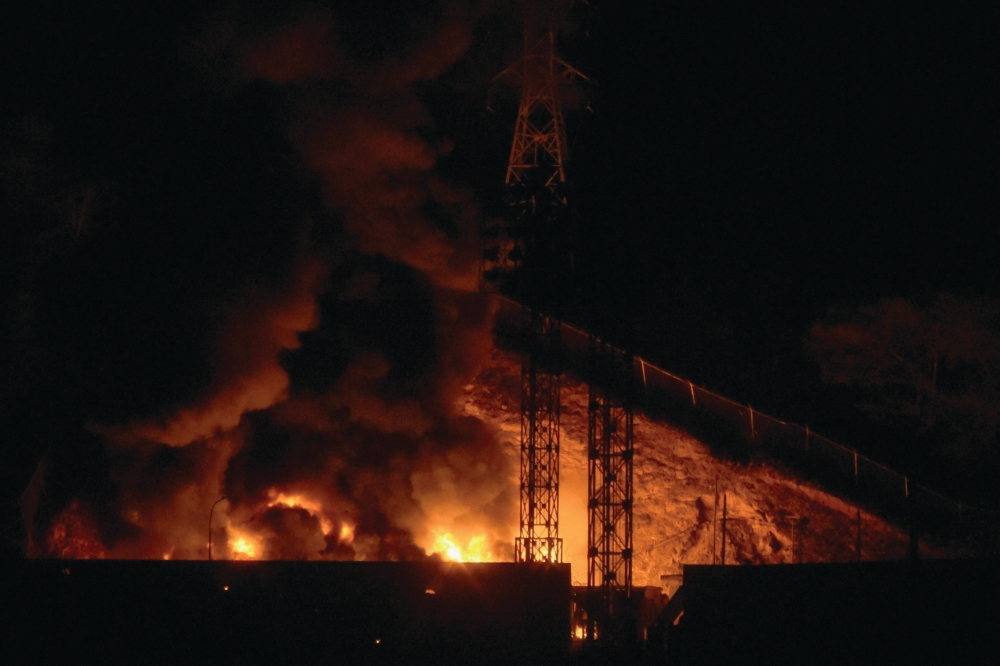
From the American side, Defense Secretary Pete Hegseth confirmed that the operation was carried out Friday night into Saturday morning with the participation of elite US forces. Hegseth explained that the operation involved approximately 200 soldiers supported by heavy air cover consisting of 150 aircraft, targeting strategic locations in the capital and three other provinces to cripple pro-regime forces and facilitate access to the objective.
Background of the strategic alliance between Cuba and Venezuela
The number of Cuban casualties cannot be understood in isolation from the historical context of the relationship between the two countries. Since Hugo Chávez came to power, Venezuela and Cuba have forged a deep strategic alliance; Venezuela has provided subsidized oil to Cuba, while Havana has offered intelligence and security support, including providing special protection teams for the Venezuelan leadership. The presence of so many Cuban casualties within Maduro's inner circle confirms long-standing Western reports about Havana's pivotal role in managing security in Caracas.
Regional and international repercussions
The arrest of a sitting head of state through a foreign military operation is a rare event in modern history, reminiscent of the "Just Cause" operation in Panama in 1989. This event is expected to cast a shadow over the geopolitical landscape in the region, as observers believe that Maduro's downfall could lead to radical changes in the map of leftist alliances in Latin America, amidst differing international reactions between those who support the move as a "restoration of democracy" and those who oppose it as a "violation of sovereignty.".