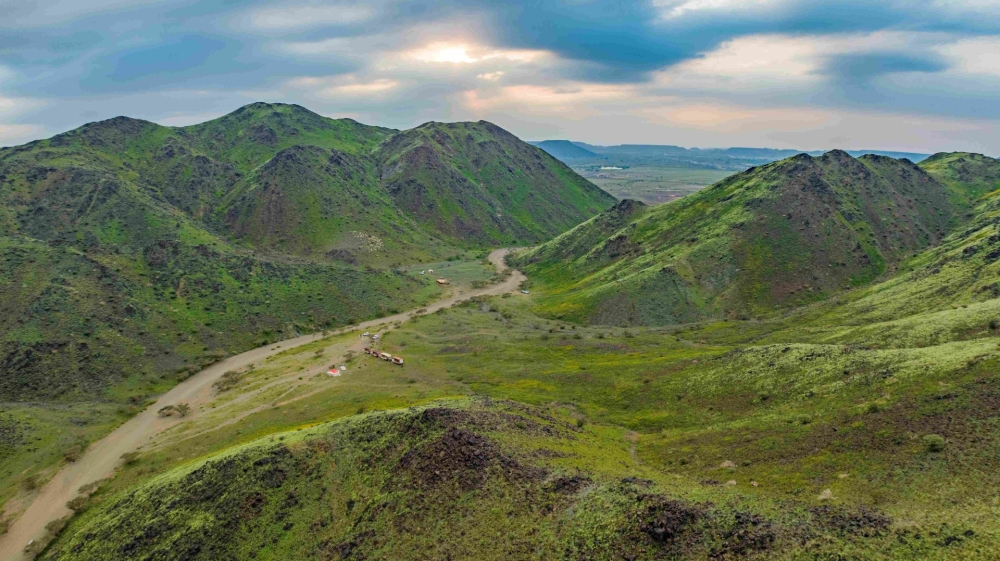
سلط تحقيق استقصائي نشرته صحيفة "اليوم" الضوء على واقع ومستقبل الغطاء النباتي في المملكة العربية السعودية، واضعاً الملف البيئي في كفة الميزان بين تحديات التدهور المستمر وجهود الإنقاذ الحثيثة. ويأتي هذا التحقيق في وقت تشهد فيه المملكة تحولات جذرية في تعاملها مع الملفات البيئية، حيث برزت أشجار المانغروف كأحد أهم الحلول الطبيعية المستدامة.
المانغروف: حارس السواحل ومخزن الكربون
أشار التحقيق إلى أن غابات المانغروف (الشورى) المنتشرة على سواحل البحر الأحمر والخليج العربي تمثل "خط الدفاع الأول" في مواجهة التغير المناخي. وتكتسب هذه الأشجار أهمية استثنائية لقدرتها الفائقة على امتصاص واحتجاز الكربون بنسب تفوق الغابات الاستوائية، فيما يعرف بـ "الكربون الأزرق". إضافة إلى ذلك، تلعب جذورها المتشابكة دوراً حيوياً في تثبيت التربة الساحلية وحمايتها من التآكل، وتوفير محاضن طبيعية لتكاثر الأسماك والكائنات البحرية، مما يعزز التنوع البيولوجي والأمن الغذائي.
السياق الوطني: من التصحر إلى مبادرة السعودية الخضراء
لفهم أهمية هذا التحقيق، يجب النظر إلى الخلفية التاريخية للبيئة في الجزيرة العربية، التي عانت لعقود من الرعي الجائر، والاحتطاب، والتوسع العمراني، مما أدى لتقلص المساحات الخضراء وزيادة العواصف الغبارية. إلا أن إطلاق "رؤية المملكة 2030" شكل نقطة تحول مفصلية، توجت بإعلان سمو ولي العهد عن "مبادرة السعودية الخضراء"، التي تستهدف زراعة 10 مليارات شجرة خلال العقود القادمة، وإعادة تأهيل 40 مليون هكتار من الأراضي المتدهورة.
الأثر البيئي والاقتصادي المتوقع
لا تقتصر أهمية إنقاذ الغطاء النباتي وتوسعته على الجانب الجمالي فحسب، بل تمتد لتشمل تأثيرات اقتصادية ومناخية بالغة الأهمية. محلياً، يساهم التشجير في خفض درجات الحرارة في المناطق الحضرية وتحسين جودة الحياة. أما إقليمياً ودولياً، فإن نجاح المملكة في استزراع المانغروف وإعادة تأهيل الغطاء النباتي يساهم بشكل مباشر في الجهود العالمية للحد من الانبعاثات الكربونية، مما يضع السعودية في مصاف الدول القائدة في مجال العمل المناخي والاستدامة البيئية.