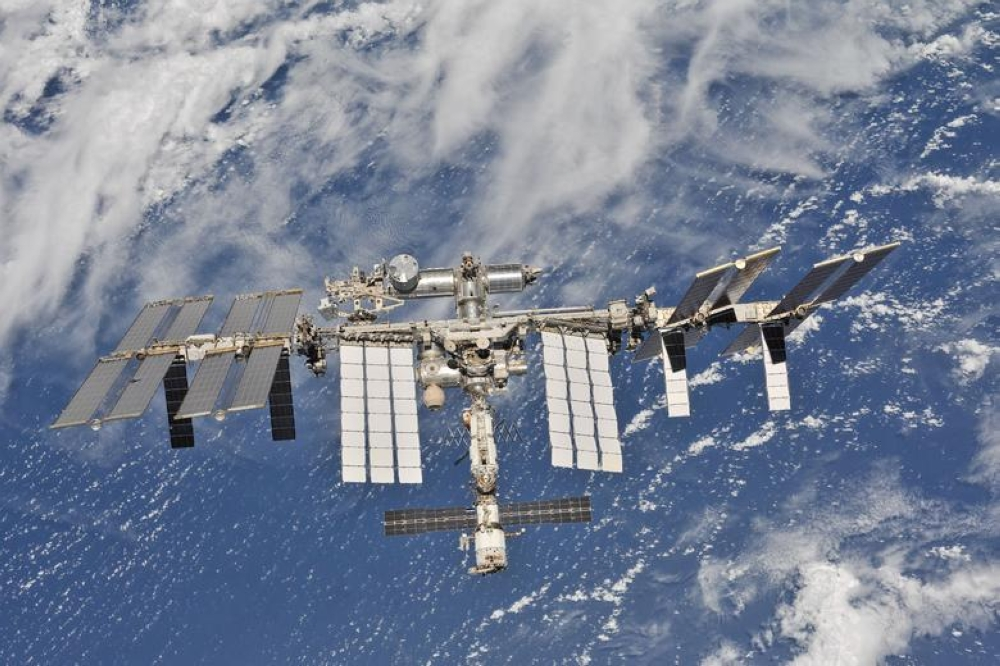
حقبة جديدة في استكشاف الفضاء
في خطوة تاريخية تعكس التحول المتسارع في صناعة الفضاء العالمية، أعلن الرئيس التنفيذي لشركة “Vast Space”، ماكس هاوت، عن خطة الشركة الطموحة لإطلاق أول محطة فضاء تجارية بالكامل، والتي تحمل اسم “Haven-1”. ومن المقرر أن يتم إطلاق المحطة خلال الربع الأول من عام 2027، لتدشن بذلك عهداً جديداً من الوجود البشري المستدام في المدار الأرضي المنخفض. جاء هذا الإعلان الهام خلال فعاليات مؤتمر الحطام الفضائي 2026 المنعقد في الرياض، مما يسلط الضوء على الأهمية المتزايدة للمنطقة في تشكيل مستقبل الاقتصاد الفضائي.
خلفية تاريخية: نهاية عصر وبداية آخر
يأتي مشروع “Haven-1” في وقت حاسم، حيث تقترب محطة الفضاء الدولية (ISS)، التي مثلت رمزاً للتعاون الدولي لأكثر من عقدين، من نهاية عمرها التشغيلي المتوقع بحلول عام 2030. لقد كانت محطة الفضاء الدولية مختبراً فريداً وموطناً لرواد الفضاء من مختلف الجنسيات، لكن تكاليف تشغيلها الباهظة وعمرها المتقدم حتّما على وكالات الفضاء الحكومية، وعلى رأسها ناسا، البحث عن بدائل تجارية أكثر كفاءة واستدامة. يمثل هذا التوجه فرصة ذهبية لشركات القطاع الخاص مثل “Vast Space” لملء الفراغ وتقديم بنية تحتية فضائية مبتكرة تخدم الأغراض العلمية والتجارية على حد سواء.
أهداف وتأثيرات محطة Haven-1
صُممت محطة “Haven-1” لتكون منصة متعددة الأغراض، حيث ستستضيف طاقماً مكوناً من أربعة رواد فضاء في مهام قصيرة الأمد. تتجاوز أهدافها مجرد استضافة البشر، لتشمل دعم مجموعة واسعة من الأنشطة الحيوية في بيئة انعدام الجاذبية، مثل:
- الأبحاث العلمية المتقدمة: إجراء تجارب في مجالات مثل الطب، والفيزياء، وعلوم المواد، والتي لا يمكن إجراؤها على الأرض.
- التطبيقات التجارية: فتح الباب أمام صناعات جديدة مثل التصنيع في الفضاء، وتطوير الأدوية، واختبار التقنيات المتقدمة.
- السياحة الفضائية: توفير وجهة فريدة للأفراد الراغبين في خوض تجربة السفر إلى الفضاء.
على الصعيد الدولي، يعزز هذا المشروع من التنافس والابتكار في قطاع الفضاء، ويشجع على تطوير نماذج اقتصادية جديدة تعتمد على الموارد والفرص المتاحة في المدار الأرضي المنخفض، مما قد يخفض تكلفة الوصول إلى الفضاء بشكل كبير.
مواجهة تحدي الحطام الفضائي
أكد “هاوت” أن تصميم المحطة يضع معايير السلامة واستدامة البيئة الفضائية في مقدمة الأولويات. فمع تزايد عدد الأقمار الصناعية، أصبح الحطام الفضائي يشكل تهديداً خطيراً للمهام الحالية والمستقبلية. لذلك، تم تزويد “Haven-1” بأنظمة حماية متطورة ضد الحطام الفضائي، بالإضافة إلى نظام مخصص لإخراجها من المدار بشكل آمن في نهاية عمرها التشغيلي، مما يضمن عدم تحولها إلى خردة فضائية ويساهم في الحفاظ على مدار أرضي نظيف وآمن للأجيال القادمة. ويأتي نجاح المهمة التجريبية “Haven Demo” في عام 2025 ليؤكد على نضج التقنيات الأساسية للمشروع، ويمهد الطريق لتحقيق رؤية الشركة الطموحة المتمثلة في تنفيذ أربع مهام مأهولة بين عامي 2027 و 2030.