Uzbekistan has fully reopened its only border crossing with Afghanistan, ending a closure that had been in place since 2021 to the movement of people. This decision had severely disrupted the flow of goods and the movement of citizens between the two countries. The move is a significant step towards normalizing trade and civilian traffic between the neighboring nations.
Life returns to the Friendship Bridge
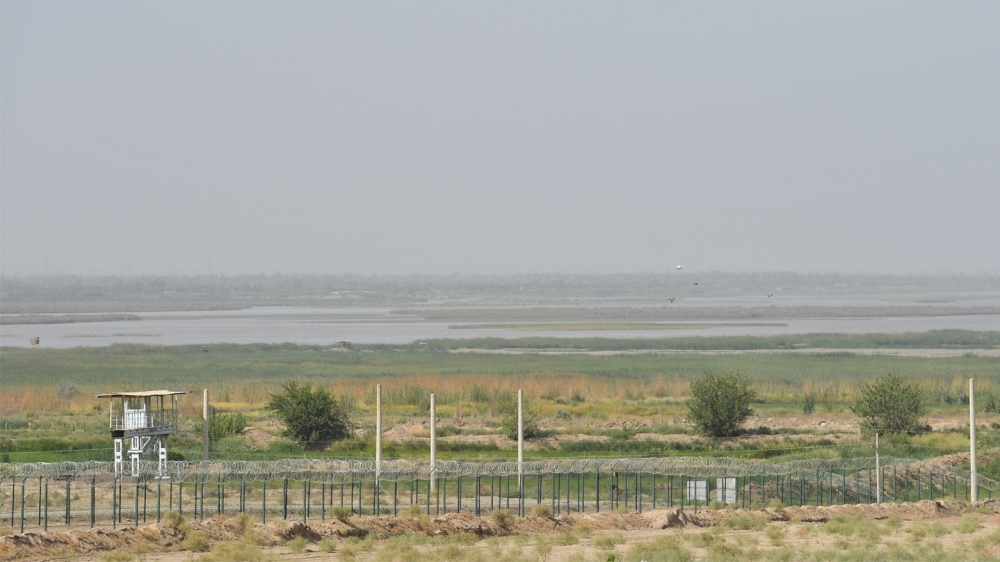
The Uzbek Chamber of Commerce and Industry officially announced that the vital border crossing at the "Friendship Bridge" (Termez-Heraton), connecting the Uzbek city of Termez with the Afghan town of Heraton, has fully reopened. The Chamber confirmed that travelers can now cross directly and safely via this strategic crossing, noting that the visa requirement remains in effect and must be observed by all travelers.
The end of the travelers' ordeal
This decision is a major breakthrough for travelers and traders alike. During the years of closure, travel between the two countries was arduous and expensive, as the border closure forced people to take a long and complicated alternative route through Tajikistan. This alternative journey took a full day to reach the major Afghan city of Mazar-i-Sharif, which is actually only 75 kilometers from the Uzbek border, posing a significant logistical and financial burden.
Historical and security context
The closure of this crossing to individuals dates back to 2021, coinciding with the radical political changes in Kabul and the Taliban's rise to power, as well as the health concerns surrounding the COVID-19 pandemic at that time. The Termez-Heraton Bridge has always held historical and strategic significance, having been built during the Soviet era and serving as the main crossing point for the withdrawal of Soviet forces from Afghanistan. It later became a vital economic artery connecting Central Asia with South Asia.
Economic and regional importance
This step is of paramount economic importance to both sides. Uzbekistan is a major supplier of energy, electricity, and food to Afghanistan, and Kabul is a significant market for Uzbek exports. Tashkent also seeks to bolster its role as a regional logistics hub through ambitious projects such as the Termez-Mazar-i-Sharif-Kabul-Peshwar railway, which aims to connect landlocked Central Asian countries to Pakistani ports. Therefore, the full reopening of the border is a positive indicator of the relatively improved security situation and Tashkent's willingness to strengthen pragmatic economic cooperation with the current Afghan government to ensure regional stability.