A strategic departure at a crucial time
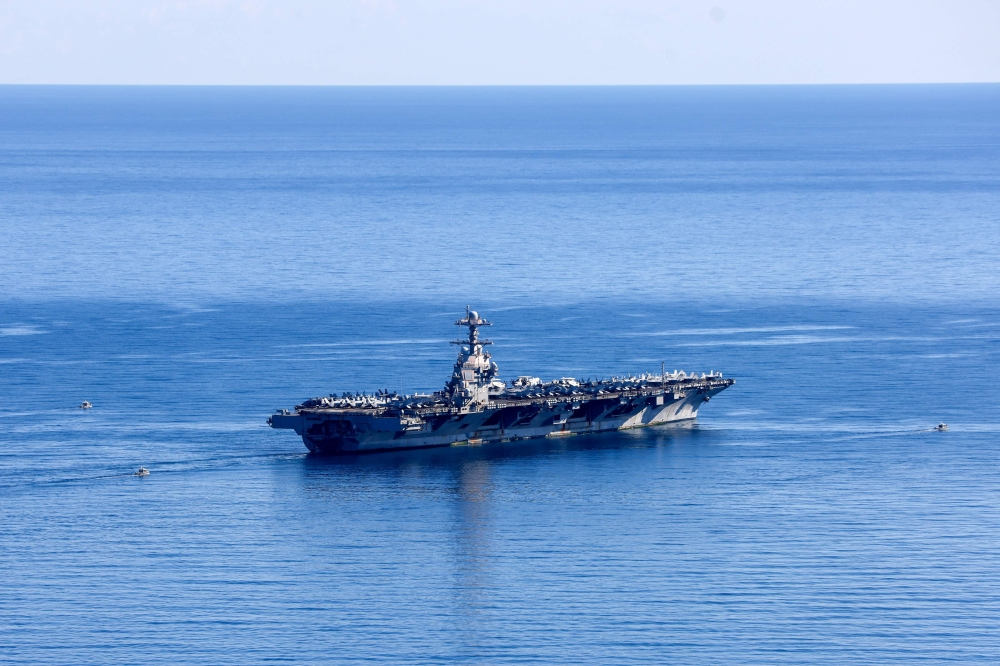
The USS Gerald R. Ford (CVN-78) aircraft carrier , departed Souda Bay naval base on the Greek island of Crete on Thursday. This departure, following a several-day stay, carries profound strategic significance, coinciding with the start of a new round of indirect talks between the United States and Iran in Geneva, mediated by Oman, aimed at de-escalating tensions surrounding Iran's nuclear program.
Background of tension and military deployment
These military movements cannot be separated from the context of escalating tensions between Washington and Tehran. Since the United States withdrew from the nuclear agreement (the Joint Comprehensive Plan of Action) in 2018, it has pursued a policy of “maximum pressure,” and Iran has responded by accelerating its nuclear program and increasing its regional influence. The region, particularly the Strait of Hormuz and the Gulf of Oman, has witnessed repeated incidents targeting oil tankers and commercial vessels, prompting the Pentagon to bolster its military presence to ensure the security of international navigation and deter any potential hostile acts.
The importance of Gerald Ford and the message of deterrence
The deployment of the aircraft carrier USS Gerald R. Ford to the U.S. Sixth Fleet's area of operations is not a routine operation. This carrier represents the pinnacle of American naval technology, is powered by two nuclear reactors, carries more than 75 modern warplanes, and is accompanied by a strike group that includes cruisers, destroyers, and submarines. The presence of two U.S. aircraft carriers in the Middle East simultaneously—along with the USS Abraham Lincoln—is a rare occurrence and a significant show of force, intended to send a clear message to Iran and its allies that U.S. military options remain firmly on the table.
Expected regional and international impact
Regionally, this military buildup is seen as a message of reassurance to US allies in the region, such as Israel and the Gulf states, who have consistently expressed concern about Iran’s destabilizing activities. Internationally, major powers are closely monitoring these developments, given their direct impact on the stability of global energy markets, as a significant portion of the world’s oil passes through the waterways experiencing this tension. This move underscores that the Middle East remains a priority in US security strategy, despite the declared shift toward the Indo-Pacific region.