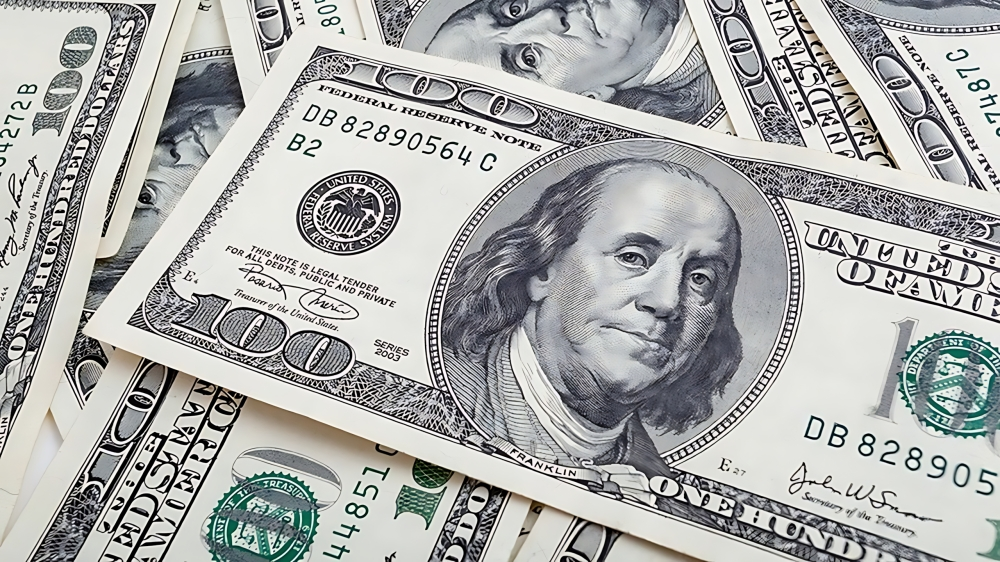
The Egyptian banking market is closely monitoring developments in the US dollar exchange rate. The dollar remained stable against the Egyptian pound at the start of trading on Wednesday, March 25, across various Egyptian public and private banks. This stability reflects the financial equilibrium that the Egyptian government and the Central Bank are striving to achieve to ensure sustainable economic growth and meet the needs of the domestic market.
The economic context and developments in the dollar exchange rate against the pound today
To understand the importance of the current stability of the dollar exchange rate against the Egyptian pound , it is necessary to examine the historical background of monetary policy in Egypt. Over the past few years, the Central Bank of Egypt has taken decisive steps to liberalize the exchange rate in order to achieve a fair value for the local currency based on supply and demand mechanisms. These strategic measures have contributed to eliminating the parallel market (black market) and restoring the confidence of investors and international institutions in the Egyptian economy. The shift towards a flexible exchange rate was not merely a temporary measure, but a structural step aimed at strengthening foreign currency reserves and securing the country's needs for essential goods and raw materials.
Local and regional effects of currency stability
Exchange rate stability is of paramount importance and has far-reaching effects. Domestically, currency stability plays a pivotal role in controlling inflation rates, which positively impacts citizens' purchasing power and prevents sudden spikes in consumer goods prices. Regionally and internationally, the stability of the Egyptian banking market enhances Egypt's attractiveness as a leading investment destination in the Middle East and Africa. Foreign investors always seek a stable financial environment that ensures transparent valuation of their assets and returns, which is achieved through clear and sustainable monetary policies.
Details of exchange rates in Egyptian banks
Below we review the latest figures recorded for the US dollar within the Egyptian banking sector:
Central Bank and government banks
The dollar was trading at 52.63 Egyptian pounds for buying and 52.77 pounds for selling at the Central Bank of Egypt. At the National Bank of Egypt, the rate remained stable at 52.63 pounds for buying and 52.73 pounds for selling, the same rates recorded by Banque Misr, reflecting consistency in pricing policies among the largest state-owned banks.
Private and investment banks
Among private banks, Commercial International Bank (CIB) recorded a buying price of EGP 52.65 and a selling price of EGP 52.75. At Bank of Alexandria, the price was EGP 52.63 for buying and EGP 52.73 for selling. Faisal Islamic Bank also saw a slight increase, reaching EGP 52.65 for buying and EGP 52.75 for selling.
Arab banks operating in Egypt
The exchange rate remained stable at Suez Canal Bank, at EGP 52.66 for buying and EGP 52.76 for selling. At the National Bank of Kuwait, it was EGP 52.60 for buying and EGP 52.70 for selling. At Qatar National Bank, it was EGP 52.63 for buying and EGP 52.73 for selling. Finally, the rate rose at Abu Dhabi Islamic Bank, reaching EGP 52.66 for buying and EGP 52.76 for selling.
In conclusion, monitoring foreign exchange movements remains a vital indicator for assessing overall economic performance. Current indicators confirm that the Egyptian banking sector possesses the flexibility and liquidity to meet market needs, supported by cash inflows from diverse sources such as remittances from Egyptians abroad, tourism revenues, and foreign direct investment.